







Beyond Just Checking the Forecast
For generations, Indian travel was dictated by a rigid calendar: summer holidays meant a frantic escape to the hills, winter was for beach destinations like Goa, and long weekends were for quick, pre-planned getaways. The weather was a secondary character
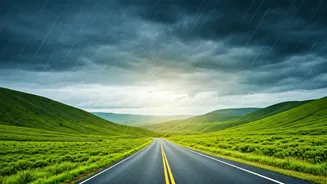
in our travel stories—something to be endured, not embraced. But that script is flipping. Weather-first travel isn’t merely about checking a forecast an hour before you leave. It’s a proactive strategy where the primary question isn’t “Where do we want to go?” but rather “Where is the weather perfect right now?” It’s about letting meteorology, not just marketing, guide your itinerary. This means choosing a destination specifically because it’s experiencing its best climatic conditions, whether that’s the crisp, sunny skies of a post-monsoon Himalayan town or the lush, romantic downpours in the Western Ghats.
Why the Old Calendar No Longer Works
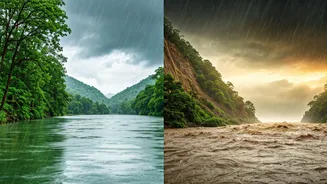
The shift isn’t happening in a vacuum. It’s a direct, intelligent response to our new climate reality. The predictable seasons of our childhoods are a thing of the past. Today, planning a trip to Shimla in May could mean getting stuck in a traffic jam caused by a sudden influx of tourists fleeing a record-breaking heatwave in the plains. A monsoon trip to Himachal Pradesh, once a quiet retreat, now comes with the very real risk of landslides and flash floods, as seen in the devastating events of recent years. Extreme heat makes exploring the palaces of Rajasthan in April unbearable, and unseasonal cyclones can wash out a perfectly planned coastal holiday. The old travel calendar, built on assumptions of climatic stability, is broken. Sticking to it is no longer just inconvenient; it can be downright dangerous and a waste of precious time and money.
The Rise of the Agile Traveller
In response, a new kind of tourist is emerging: the agile traveller. Armed with sophisticated weather apps and real-time travel information, they are untethered from traditional holiday schedules. This traveller might see a forecast for clear, sunny weather in a typically foggy hill station and book a spontaneous weekend trip. They might notice a dry spell during the monsoon in Kerala and decide it’s the perfect time to explore the backwaters without the crowds. Technology is a key enabler. Travel aggregators and booking platforms report a surge in last-minute bookings, often correlated with favourable weather patterns. This flexibility allows travellers to pivot away from destinations facing heatwaves, heavy rainfall, or other disruptions, and instead discover places that are shining at that exact moment. It’s a move from rigid, long-term planning to dynamic, short-term opportunism.
The Smart Perks of Following the Sun
The benefits of this approach extend far beyond just enjoying pleasant temperatures. Firstly, it enhances the travel experience immeasurably. Imagine seeing the Kanchenjunga without a cloud in sight, or enjoying a trek without the fear of a sudden downpour. You are experiencing a place at its absolute peak. Secondly, it’s a powerful strategy for avoiding over-tourism. By travelling when the weather is good, rather than when everyone has a holiday, you sidestep the crushing crowds of peak season. This often means more peaceful vacations and more authentic interactions. Thirdly, it’s economically savvy. Travel during these ‘weather windows’ often falls in the shoulder or off-season, leading to significant savings on flights and accommodation. Finally, and most importantly, it’s safer. Actively avoiding regions during their most volatile weather periods is a simple but profound way to mitigate risk in an era of climatic uncertainty.
Redrawing the Indian Travel Map
This trend is quietly redrawing India’s tourism map. Destinations once considered ‘off-season’ are finding new life. The monsoon, traditionally a lean period, is now a celebrated season for travel to places like Goa, the Konkan Coast, and parts of Rajasthan, where the landscape is transformed into a vibrant green paradise. Autumn, with its clear skies and pleasant weather, is becoming the new prime season for the Himalayas, eclipsing the overcrowded summer months. Even micro-seasons are gaining traction, like the brief window after the snow melts in high-altitude regions or the flowering season in the Nilgiris. Travellers are discovering that every destination has its perfect moment, and that moment doesn’t always align with the school calendar or a national holiday. It’s about finding the magic in the margins.