








Understand Why Monsoon Worsens Acne
During the monsoon, high humidity signals your sebaceous glands to produce more oil, or sebum. This excess oil mixes with sweat, dirt, and dead skin cells, creating an ideal breeding ground for acne-causing bacteria. The damp, warm environment means pores
get clogged easily, leading to pimples, blackheads, and even fungal acne. Understanding this cycle is the first step to breaking it.
Cleanse Gently, But Thoroughly
Washing your face twice a day is crucial, but using harsh, stripping cleansers can backfire by causing your skin to produce even more oil. Opt for a mild, soap-free, or gel-based cleanser. Ingredients like neem or tea tree oil are excellent natural choices due to their antibacterial properties. For a deeper clean in the evening, try double cleansing: first with an oil-based cleanser to dissolve impurities, followed by your regular gentle face wash.
Don't Skip the Moisturiser
It's a common myth that oily, acne-prone skin doesn't need hydration, especially in humid weather. In fact, dehydrated skin often overcompensates by producing more sebum. The key is to choose the right kind of moisturiser. Look for lightweight, gel-based, and non-comedogenic formulas that hydrate without clogging pores. Ingredients like aloe vera and hyaluronic acid provide moisture without feeling heavy or greasy.
Embrace Natural Face Masks
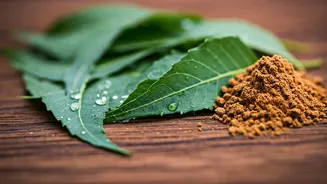
Weekly face masks can absorb excess oil and deep clean your pores. You don't need expensive products; many effective remedies are in your kitchen. A paste of Fuller's earth (Multani mitti) with rose water is a classic for oil control. Neem paste, known for its powerful antibacterial qualities, can be applied to fight acne. A mask made of turmeric and sandalwood can help soothe inflammation and brighten the skin. These natural treatments help detoxify the skin and prevent breakouts.
Exfoliate, But With Caution
Exfoliation is necessary to remove the build-up of dead skin cells that can clog pores, but overdoing it can irritate the skin and worsen acne. During the monsoon, opt for gentle exfoliation once or twice a week. A simple homemade scrub made from lemon juice and sugar can help, but be gentle. Chemical exfoliants with salicylic acid are also effective at keeping pores clear.
Pay Attention to Your Diet
What you eat directly reflects on your skin. During the monsoon, try to limit your intake of oily, fried, and sugary foods, as they can increase inflammation and oil production. Instead, focus on a diet rich in antioxidants and anti-inflammatory foods. Include plenty of fresh fruits like berries and oranges, which are high in Vitamin C, and leafy green vegetables. Staying hydrated by drinking plenty of water and herbal teas also helps flush out toxins.
Adopt Skin-Friendly Habits
Simple changes in your daily routine can make a big difference. Avoid touching your face frequently, as this transfers dirt and bacteria to your skin. Keep your hair clean and tied back to prevent oil and grime from touching your face. Also, be sure to change your pillowcases and clean your phone screen regularly, as these surfaces can accumulate oil and bacteria that contribute to breakouts.