






The Heartbeat of the Indian Kitchen
From the sizzling base of a bhuna masala to the crunchy garnish on pav bhaji, the onion is an indispensable part of Indian cuisine. It's not merely an ingredient; it's the flavour-builder, the thickening agent, and the aromatic foundation for thousands
of dishes across every region. India is the world's second-largest producer of onions, and its people are among the largest consumers. The per capita demand for onions has seen a dramatic increase over the past two decades, reflecting its deep integration into daily meals. This widespread dependence means that any disruption in its supply is not just a minor inconvenience but a direct hit to the household budget and cultural food practices.
Anatomy of a Price Surge
Onion prices in India are notoriously volatile, with sharp spikes occurring almost every other year. Several factors contribute to this instability. The crop is grown in three distinct cycles: Kharif (harvested Oct-Dec), Late Kharif (Jan-Mar), and Rabi (harvested Mar-Jun). The Rabi crop accounts for about 60% of total production and is the primary variety for storage, needing to last until the Kharif crop arrives. Any disruption to these cycles, especially from erratic monsoon rains or unseasonal heat, can devastate supply. The Kharif crop is particularly vulnerable to weather and has a shorter shelf life, creating a fragile supply window between September and November when stored Rabi onions are depleting and new arrivals are yet to stabilize the market.
From Farm to Market Mayhem
The journey from the farm to your local vendor is fraught with inefficiencies that amplify price swings. A complex network of middlemen and traders in wholesale markets often leads to accusations of hoarding and anti-competitive practices. When supply is tight, some traders are known to hold back stock to artificially inflate prices, creating panic in the market. Furthermore, a lack of adequate and modern storage facilities, particularly cold storage, means a significant portion of the harvest can be lost to spoilage, further squeezing availability. This inefficient supply chain means that by the time prices soar for consumers, farmers may have already sold their crop for a fraction of the final cost, benefiting neither the producer nor the buyer.
The Political Barometer
In India, the price of onions is not just an economic issue—it's a potent political one. The saying 'onion tears' often refers to voters' anger at the ballot box. Historically, soaring onion prices have been linked to major political upsets, including contributing to the fall of state governments in 1998 and being a key issue in the 1980 general election. Given that onions are a staple for millions, their price is a tangible and immediate measure of inflation for the common person. This makes it a highly sensitive topic for any ruling government, as public discontent over food prices can quickly translate into political backlash, influencing election outcomes.
The Government's Balancing Act
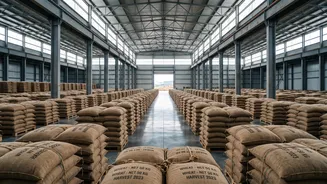
To manage this volatility, the Indian government employs a multi-pronged strategy. This includes building a buffer stock of onions, procured during the Rabi harvest, which can be released into the market to cool down prices during lean periods. In recent times, the government has used dedicated trains, dubbed 'Kanda Express', to quickly move supplies to high-demand areas. Other measures include imposing export bans to increase domestic availability, setting a Minimum Export Price (MEP), and cracking down on hoarding. However, these interventions are a delicate balancing act. While they aim to protect consumers from high prices, measures like export bans can cause prices to crash, leading to distress and protests among farmers who see their incomes plummet.