




The Great Indian Fibre Gap
Despite a rich culinary heritage of dals, sabzis, and whole grains, a significant portion of the Indian population is not eating enough dietary fibre. The Indian Council of Medical Research (ICMR) suggests adults consume between 25 to 40 grams of fibre daily.
However, studies and surveys consistently show that the average intake for many Indians is only around 15 to 20 grams per day. Some reports indicate that nearly seven out of ten people in India do not meet their daily requirement. This 'fibre gap' is particularly noticeable in urban areas, where busy lifestyles have led to a greater reliance on refined grains and ultra-processed foods, which are typically low in fibre and other essential nutrients.
Why Fibre is a Health Superstar
For a long time, fibre was simply known as 'roughage', important only for preventing constipation. While it is crucial for regular bowel movements, modern science has revealed its much wider benefits. Soluble fibre, found in oats, beans, and apples, helps regulate blood sugar by slowing glucose absorption and can lower bad cholesterol. Insoluble fibre, present in whole grains and vegetables, adds bulk and aids digestion. Together, they are essential for maintaining a healthy gut microbiome—the community of good bacteria in our digestive system. These microbes feed on fibre and produce compounds that protect the colon, reduce inflammation, and support overall immune function.
The Health Risks of Falling Short
The consequences of a low-fibre diet are becoming increasingly clear and are linked to many of the health challenges India faces today. Chronic low intake is a major contributor to digestive issues like bloating and constipation. More seriously, it is strongly associated with a higher risk of Type 2 diabetes, a condition affecting a large number of Indians. Research also connects poor fibre intake with an increased prevalence of non-alcoholic fatty liver disease (NAFLD), metabolic syndrome, and cardiovascular diseases. Given that dietary risks are a leading cause of non-communicable diseases in the country, consciously increasing fibre is no longer optional—it's a critical preventive health measure.
Finding Fibre on the Indian Plate
The good news is that you don’t need to look for exotic or expensive superfoods to bridge the fibre gap. The solution lies in embracing traditional Indian ingredients. Millets like jowar, bajra, and ragi are fibre powerhouses. Pulses and legumes, including staples like chana, rajma, and various dals, are excellent sources of both fibre and protein. A diverse range of vegetables, especially leafy greens like spinach and methi, and others like bhindi (okra) and beans, significantly contribute to the daily target. Eating seasonal fruits like guava, apples, and bananas, preferably with their skin, also adds a healthy dose of fibre.
Simple Swaps for a Fibre-First Diet
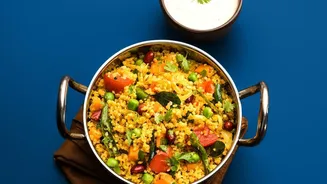
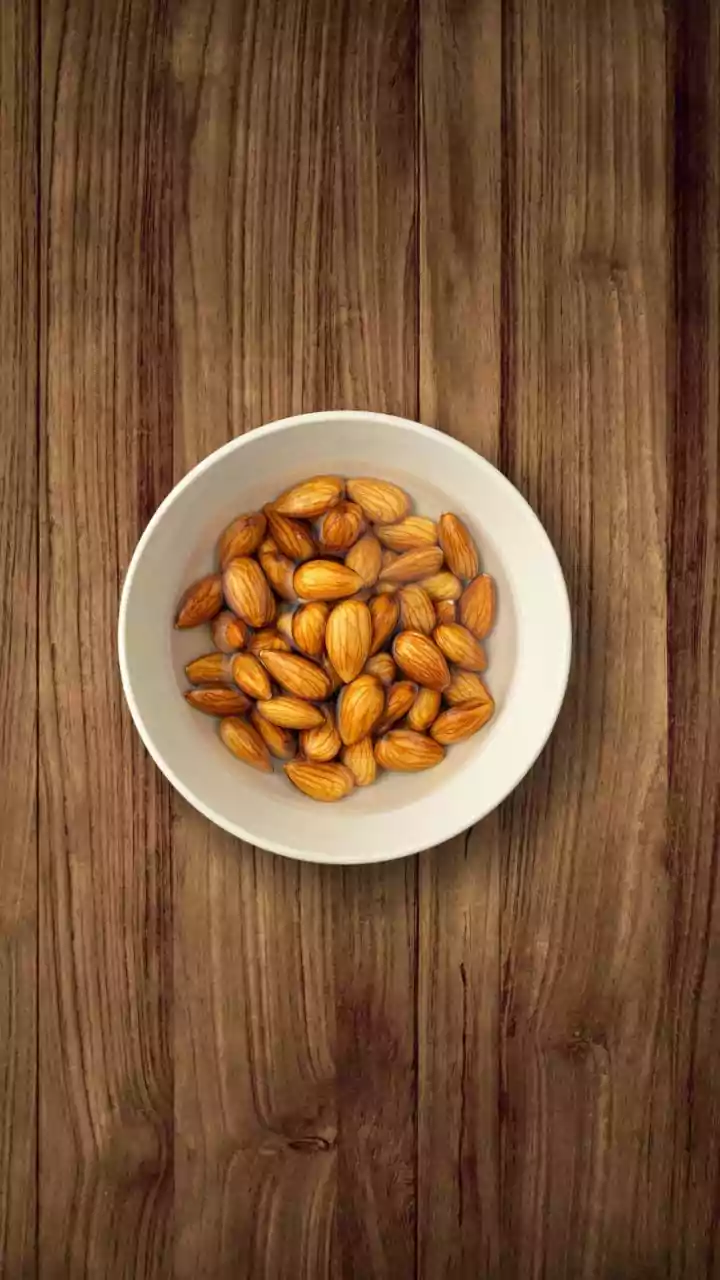
Incorporating more fibre into your diet can be achieved through small, sustainable changes. Start by swapping refined grains for whole alternatives: choose whole wheat atta for rotis, and replace some of your white rice with brown rice or millets. Ensure at least one meal includes a dal or legume. Make it a habit to add a simple kachumber salad (chopped raw vegetables) to your lunch or dinner. For snacks, instead of reaching for packaged items, opt for a handful of roasted chana, nuts, or a piece of fruit. Even traditional breakfast items can be made more fibrous by using millet flours for dosas or adding vegetables to upma. The key is to gradually increase your intake to allow your digestive system to adjust.