


The Rise of the Mountain Workation
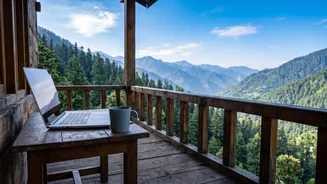
The dream of working with a mountain view is no longer a fantasy. For a growing number of professionals in India, it's a seasonal reality. A workation—a trip that blends work with leisure—offers a refreshing change of scenery that can boost productivity
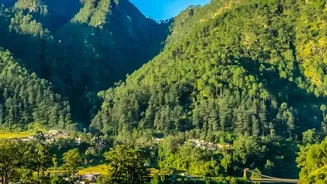
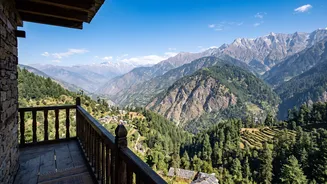
and well-being. The Himalayas, especially in autumn, provide the perfect backdrop. From September to November, the monsoon rains recede, leaving behind clear blue skies, comfortable temperatures, and lush, vibrant landscapes. This period is ideal for focused work without the crowds of peak season, allowing you to trade your cubicle for a cosy cafe or a balcony overlooking a serene valley.
Kasol: Energetic Hub with a Backpacker Vibe
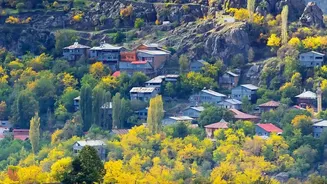
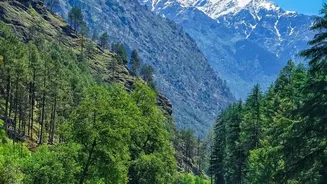
Nestled in the Parvati Valley, Kasol is famous for its buzzing energy, vibrant backpacker culture, and plethora of cafes. This makes it an excellent choice for those who want a social atmosphere and easy access to amenities. The main town is filled with Israeli and local eateries, quirky shops, and a constant hum of activity. For work, you'll find dozens of cafes offering decent Wi-Fi. While Kasol itself can be lively and sometimes loud, a short walk across the river to villages like Chalal offers a quieter environment to focus. Autumn is a great time to visit as the summer crowds thin out. The weather remains pleasant, perfect for post-work strolls along the Parvati River or short treks into the surrounding woods.
Affordable Stays for Work in Kasol
Kasol excels in budget-friendly accommodation, with a wide range of hostels and guesthouses catering to long-stay travellers. Many hostels like The Hosteller and Zostel have properties here, often equipped with dedicated common areas and reliable Wi-Fi. Prices for a dorm bed can start from around ₹600-₹800 per night, while private rooms in guesthouses might range from ₹1,500 to ₹2,500. For a more peaceful setup, consider looking for stays in nearby Katagla or Chalal, which are just a short hike away but feel worlds apart from the hustle of central Kasol. Always confirm the Wi-Fi situation—whether it's a stable broadband connection or a mobile hotspot—and ask about power backup before booking.
Jibhi: A Tranquil Escape in Tirthan Valley
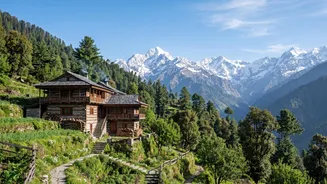
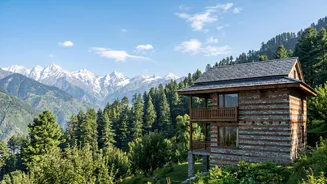
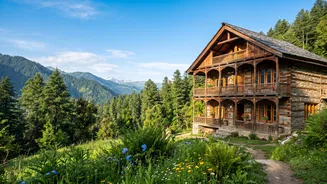
If your idea of a perfect workation involves quiet forests, traditional wooden cottages, and the sound of a river, Jibhi is your answer. Located in the serene Tirthan Valley, Jibhi offers a slower, more introspective experience compared to Kasol. It's less crowded and commercialised, making it ideal for deep focus and creative work. The landscape is dominated by dense deodar forests, hidden waterfalls, and charming villages with unique architecture. While it's more offbeat, Jibhi has rapidly developed its infrastructure for remote workers, with many homestays and cafes now offering reliable fibre internet connections with speeds of 30-100 Mbps.
Charming Homestays and Cottages in Jibhi
Jibhi's accommodation is all about authenticity and comfort, with a focus on family-run homestays and wooden cottages. These stays provide a cosy, welcoming atmosphere that's perfect for a longer work trip. Many hosts offer home-cooked meals, giving you a taste of local Himachali cuisine. While Jibhi used to have patchy connectivity, select stays now specifically cater to remote workers with high-speed internet and power backup. Prices for a room in a good homestay can range from ₹1,500 to ₹3,000 per night, with discounts often available for weekly or monthly stays. To unwind, you can explore trails to Serolsar Lake, Jalori Pass, or the nearby Chehni Kothi fort.
Kasol vs. Jibhi: Which is Right for You?
Choosing between Kasol and Jibhi depends entirely on your work style and personal preference. Choose Kasol if you thrive on social energy, want a wide variety of food options, and enjoy a lively backpacker scene. It’s better for solo travellers looking to easily meet people. Choose Jibhi if you seek silence, solitude, and a deep connection with nature. It's ideal for those who need zero distractions to be productive and is generally more family-friendly. Both destinations are about a 3-4 hour drive from each other, making it possible to experience both if you have enough time.