

The Dawn of a New Coffee Culture
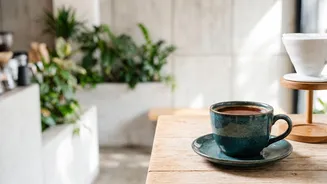
For generations, the Indian coffee experience was straightforward: a steaming cup of filter coffee, often made with robust, high-caffeine Robusta beans, or the convenience of instant coffee. But the urban landscape is changing. Walk into a café in Bangalore,
Mumbai, or Delhi today, and you'll find a different scene. Millennials and Gen Z, who now make up a significant portion of specialty coffee consumers, are driving this evolution. They are seeking more than just a caffeine hit; they want an experience. This shift is turning coffee from a functional beverage into a lifestyle statement, where flavour, origin, and authenticity are paramount.
The Gentle Allure of Arabica
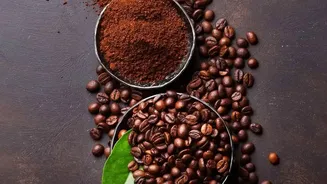
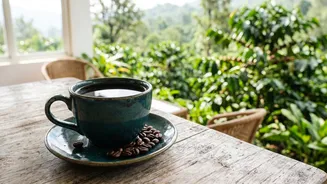
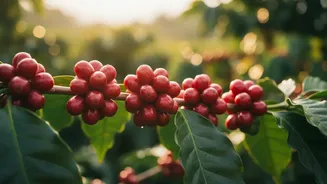
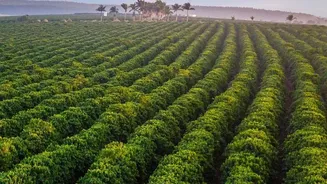
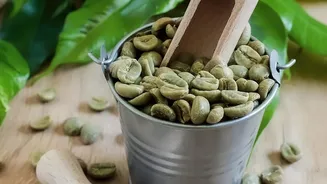
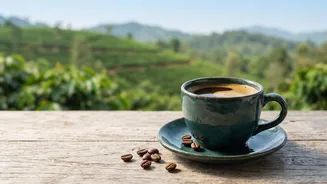
At the heart of this trend is the Arabica bean. Unlike the bold and often bitter Robusta, Arabica is known for its smoother, more aromatic profile with a softer, sweeter taste. Grown at high altitudes in the shade-draped estates of the Western Ghats, Indian Arabica develops complex notes of chocolate, fruit, and spice. Regions like Chikmagalur and Coorg in Karnataka, the historical birthplace of Indian coffee, are famed for producing these high-quality beans. For a generation with an evolving palate, the nuanced and less acidic character of Arabica offers a more refined and enjoyable tasting experience compared to the coffees they grew up with.
What 'Single-Origin' Really Means
The term "single-origin" has become a powerful buzzword, and for good reason. It means the coffee comes from a single, traceable geographic location—be it a specific estate, farm, or region. This is the coffee equivalent of knowing the specific vineyard your wine came from. It tells a story of terroir: the unique combination of soil, climate, and altitude that gives the beans their distinctive character. For young drinkers, a single-origin coffee from the Baba Budangiri hills isn't just a beverage; it’s a taste of a specific place, complete with its own history and flavour profile. This transparency stands in stark contrast to anonymous blends, appealing to a desire for authenticity and connection.
A More Conscious Cup
This movement is about more than just taste; it's driven by a powerful shift in consumer values. Younger Indians are increasingly conscious of where their products come from, who produces them, and the environmental impact of their choices. They want to support local economies and sustainable practices. Many single-origin estates in Southern India use shade-grown and organic farming methods, which preserve biodiversity. By choosing a single-origin Indian Arabica, consumers feel a connection to the farmers and a sense of pride in supporting a high-quality domestic product. This desire for traceability and ethical sourcing is a core driver of the specialty coffee boom.
The Rise of Homegrown Brands
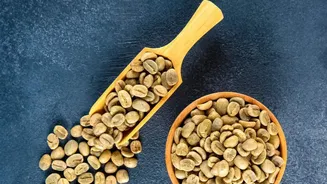
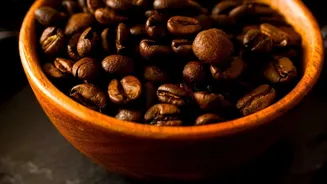
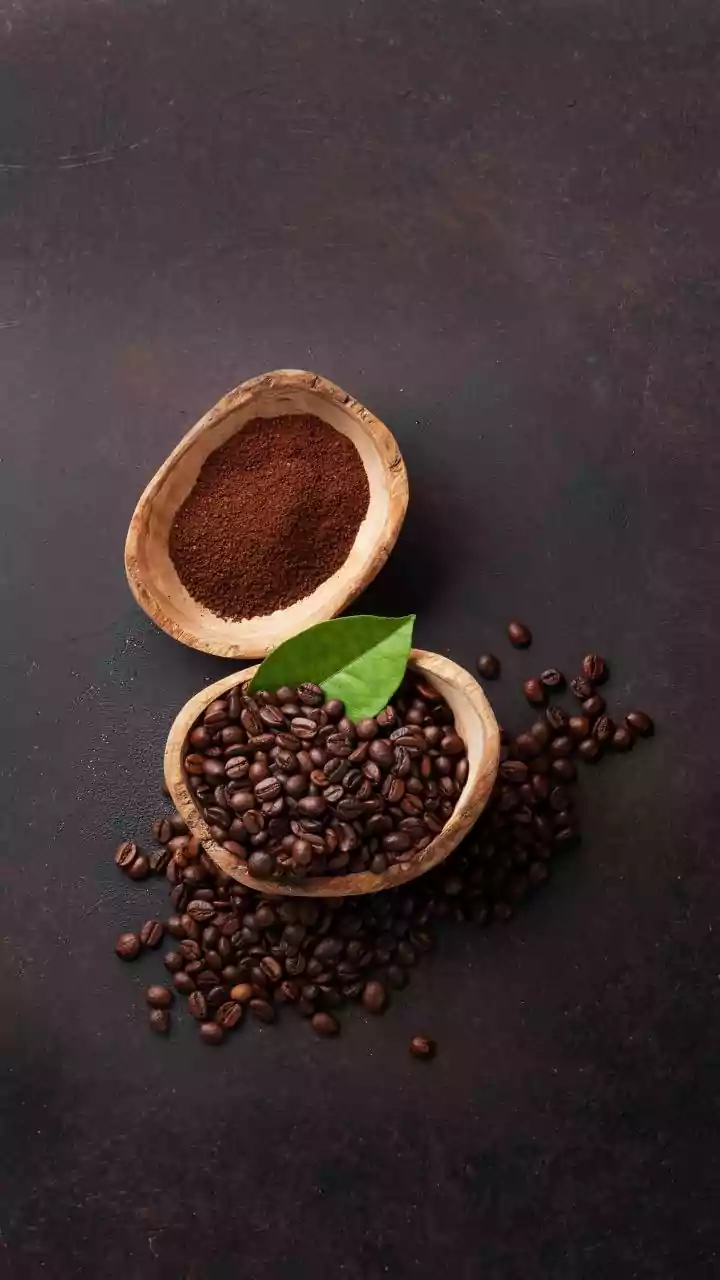
Fueling this trend is a vibrant ecosystem of homegrown coffee brands and roasters. Many of these are direct-to-consumer (D2C) businesses that leverage social media to tell compelling stories about their beans, from farm to cup. They make specialty coffee accessible, offering freshly roasted beans delivered directly to customers' doorsteps. These brands are skilled at educating their audience about different brewing methods, from pour-overs to French presses, empowering a new generation of home baristas. This digital-first approach has bypassed traditional retail, building a community of informed and passionate coffee lovers who are eager to explore and experiment.