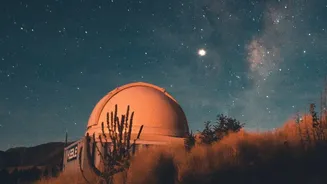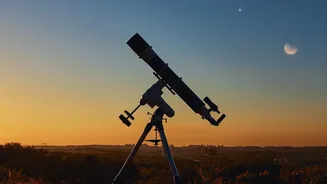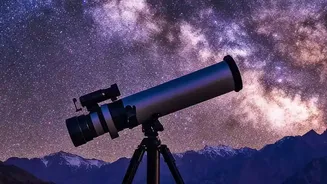

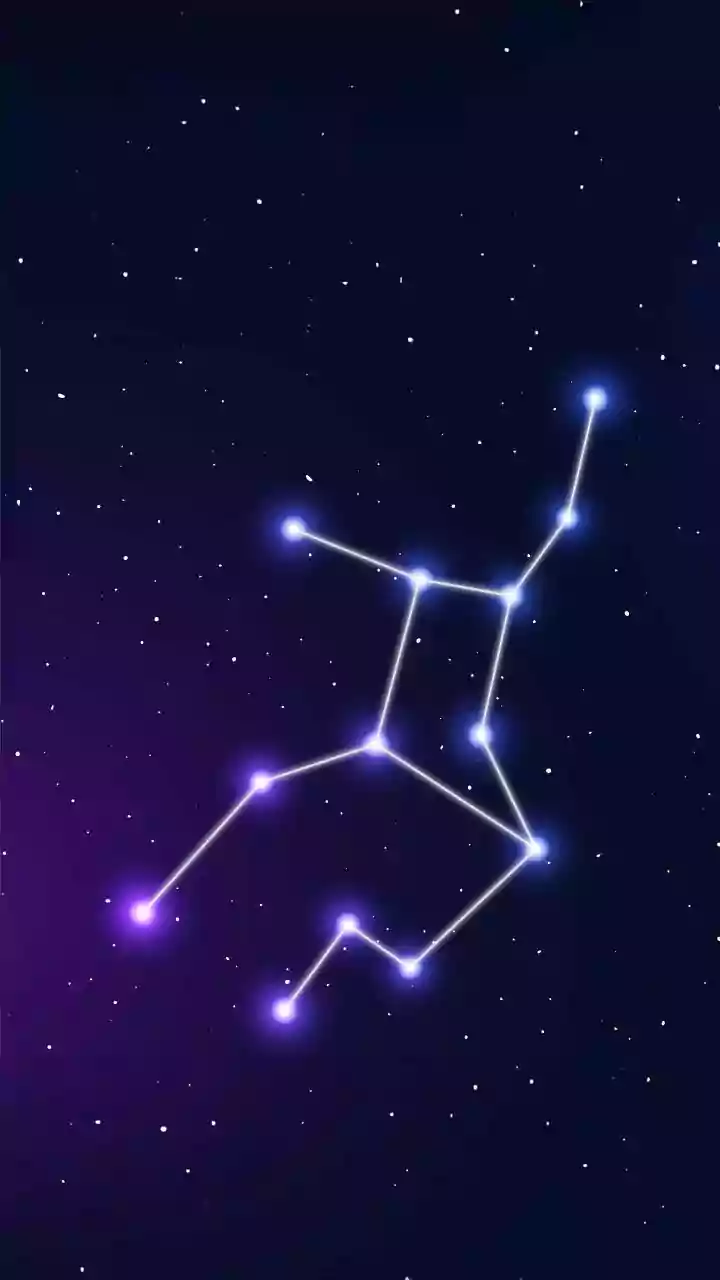


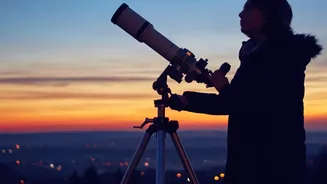
As the last of the monsoon clouds retreat and a gentle chill settles across India, the night sky transforms. November brings a special clarity, offering breathtaking views of our planetary neighbours and distant stars right from our backyards.
Why November Nights Are an Astronomer's Delight
The magic
of November stargazing isn't just about the longer nights; it's about the quality of the air itself. After the monsoon season, the atmosphere over much of India is scrubbed clean of dust and haze. More importantly, the humidity drops significantly. Water vapour in the air can scatter light and blur our view of faint celestial objects, but the drier, cooler air of early winter is far more transparent. This stable atmospheric condition, known as 'good seeing' in astronomical terms, means that stars twinkle less and the details on planets, like the moons of Jupiter or the rings of Saturn, appear much sharper and more defined. This month provides a perfect window between the cloudy monsoon and the intense fog that can plague parts of North India in deep winter, creating ideal viewing conditions for amateurs and seasoned skywatchers alike.
The Planetary Parade: Who to Look For
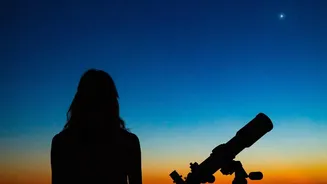
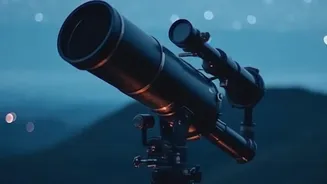
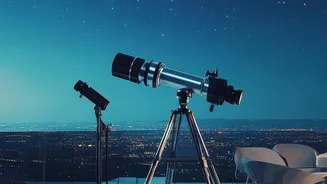
This November, the night sky is putting on a spectacular show featuring several bright planets. The undisputed king of the show is Jupiter, which will be impossible to miss. Look towards the eastern sky after sunset, and you will see it shining as a brilliant, steady beacon of light. Even a simple pair of binoculars might reveal its four largest moons—Io, Europa, Ganymede, and Callisto—appearing as tiny pinpricks of light flanking the planet. Not far away, you will find Saturn. While not as dazzlingly bright as Jupiter, its distinct golden hue makes it easy to spot. A small telescope is all it takes to resolve its magnificent rings, a sight that never fails to inspire awe. For early risers, the planet Venus will dominate the pre-dawn sky in the east. Its intense, silvery light makes it the famous 'Morning Star', a beautiful sight to behold before the sun washes it from view.
Catch a Falling Star: The Leonid Meteor Shower
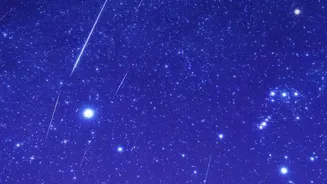
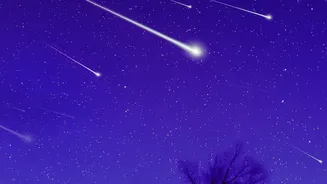
Beyond the steady glow of planets, November also offers the chance to witness the fleeting magic of a meteor shower. The famous Leonid meteor shower is active this month, expected to peak around the nights of November 17th and 18th. The Leonids are known for producing some of the fastest and brightest meteors, remnants of dust from the comet Tempel-Tuttle. This year's peak is particularly promising as it coincides with a slim crescent moon, meaning the sky will be dark enough to spot even the fainter shooting stars. For the best experience, find a location away from city lights, lie back, and let your eyes adjust to the darkness for about 30 minutes. The show is free and requires no special equipment, just patience and a clear view of the sky.
Your Essential Skywatching Toolkit
You don't need expensive gear to start your astronomical journey. The most important tool is a dark sky, so try to get as far away from urban light pollution as you can. Even a park, a rooftop, or a balcony with shielded lights can work. Your second-best tool is patience. Allow your eyes at least 20–30 minutes to fully adapt to the dark; this will dramatically increase the number of stars you can see. While you wait, avoid looking at your bright phone screen. If you need a guide, use a stargazing app on your phone with a 'red light mode', which preserves your night vision. Finally, before considering a telescope, start with a good pair of binoculars. They are perfect for scanning the moon's craters, spotting Jupiter's moons, and exploring star clusters scattered along the Milky Way.