





What Are HD AI Scribes?
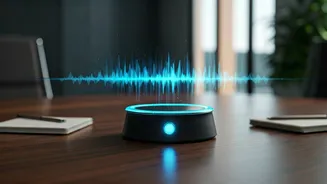
Forget basic audio-to-text transcription. A High Definition (HD) AI scribe is an advanced software tool that joins your virtual meetings (on platforms like Zoom, Google Meet, or Microsoft Teams) just like a human participant. Its job isn't just to record
the audio, but to intelligently process it in real time. Think of it as a hyper-efficient personal assistant dedicated solely to capturing the essence of a conversation. Unlike older transcription services that might produce a wall of undifferentiated text, these modern scribes understand context, identify different speakers, and are designed to create a structured, useful summary of what was discussed. They are built for the fast-paced, multi-speaker environment of modern business meetings.
How the Magic Actually Works
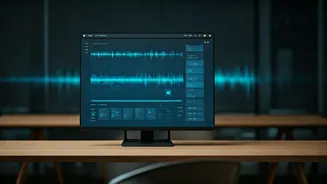
The technology behind AI scribes combines several layers of artificial intelligence. First, it uses advanced Speech-to-Text (STT) engines to convert spoken words into a written transcript. The 'High Definition' part comes from the next steps. The AI employs 'speaker diarization,' which is a fancy term for identifying who is speaking and when. This allows it to attribute lines of dialogue to specific participants (e.g., 'Anjali said...' vs. 'Rohan said...'). Simultaneously, Natural Language Processing (NLP) models analyse the entire conversation. These models are trained to recognise key topics, identify potential action items (often triggered by phrases like 'I will...' or 'We need to...'), and summarise long discussions into concise, digestible points. The end result is not just a transcript, but a fully structured document with speakers, summaries, and a to-do list.
Key Features to Look For
Not all AI scribes are created equal. When choosing a tool, focus on the features that deliver true 'high definition' results. Look for high transcription accuracy, especially for Indian accents. Check for robust speaker identification—the best tools can distinguish between multiple voices clearly. Another critical feature is automated summarisation; a good AI scribe will provide summaries in various formats, from a short paragraph to detailed bullet points. Also, consider integrations. Does it connect seamlessly with your calendar to automatically join scheduled meetings? Can it push action items to your project management software like Asana, Jira, or Slack? Tools like Fireflies.ai, Otter.ai, and Fathom are popular choices precisely because they excel in these areas, offering a suite of features that go far beyond simple recording.
Getting Started: Your First Automated Meeting
The 'easily' part of the promise is largely true. Getting started is usually a simple, three-step process. First, sign up for a service, many of which offer generous free tiers to get you started. Second, connect your calendar (like Google Calendar or Outlook). This is the key step that enables automation. By granting access, the AI bot can see your upcoming meetings and know which ones to join. You can typically configure it to join all meetings or only the ones you specifically invite it to. Third, after your meeting, the AI will process the recording and send you an email with a link to the transcript, summary, and action items. Your only job is to review the output for accuracy and share it with your team. It’s that simple to take your first step towards never having to manually type meeting minutes again.
A Note on Privacy and Etiquette
Using an AI scribe introduces a new participant to your meetings, so transparency is crucial. Always inform all attendees that the meeting is being recorded and transcribed by an AI tool before you begin. This is not just good etiquette; in many contexts, it's a legal requirement for consent. Reputable AI scribe companies take security seriously, offering features like data encryption and compliance with privacy regulations. However, it's wise to avoid discussing highly sensitive or confidential information when an AI scribe is present, at least until you are fully comfortable with the platform's security protocols. Think of it like any other digital tool: powerful and efficient, but one that requires mindful and ethical use.