

What is This Green Elixir?
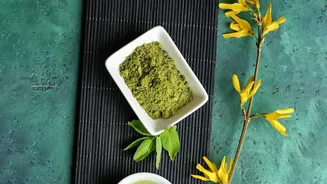
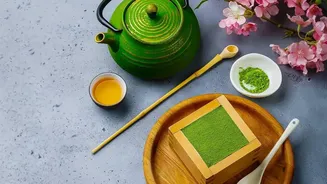
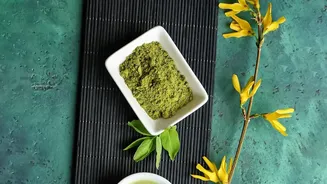
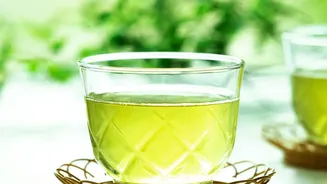
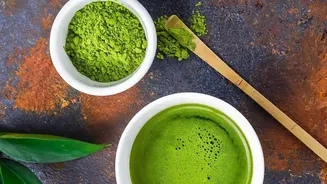
Matcha is a finely ground powder of specially grown and processed green tea leaves, traditionally from Japan. Unlike regular green tea, where you steep and discard the leaves, with matcha, you consume the entire leaf. This means you get a much more concentrated
dose of the nutrients, antioxidants, and other beneficial compounds within the plant. The process begins weeks before harvest when tea plants are shaded from the sun. This boosts their chlorophyll content—giving matcha its signature bright green hue—and increases the concentration of an important amino acid called L-theanine.
The Science of Calm Alertness
The true magic of matcha lies in the unique synergy between its two key components: caffeine and L-theanine. While coffee provides a jolt of caffeine that can sometimes lead to jitters, anxiety, and an inevitable crash, matcha offers a smoother ride. The L-theanine in matcha actively counteracts the negative side effects of caffeine. It promotes the production of alpha brain waves, which are associated with a state of relaxed alertness, and helps balance neurotransmitters to reduce stress. The result is a sustained, focused energy that keeps you sharp and productive without feeling overstimulated or on edge.
A Ritual for the Busy Mind
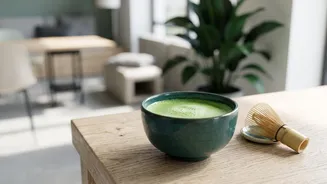
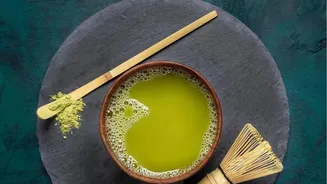
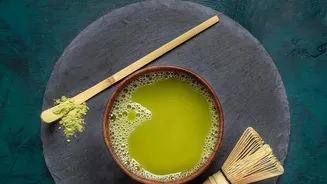
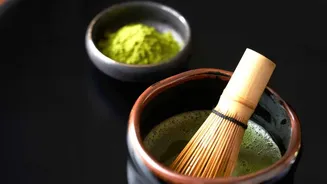
In a world of instant gratification, the preparation of matcha is a deliberate, mindful ritual. Traditionally, the powder is sifted to remove clumps, whisked with hot (not boiling) water in a bowl until frothy, and then consumed. This simple, two-minute process can serve as a mental reset during a hectic workday, a moment of pause that stands in stark contrast to hitting a button on a coffee machine. This ritualistic aspect is part of its growing appeal, turning a simple tea break into a practice of mindfulness that helps manage the day's stress.
The Green Wave in Indian Offices
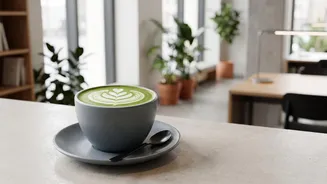
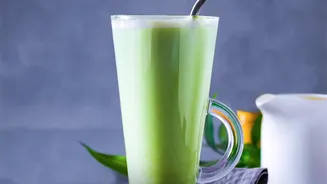
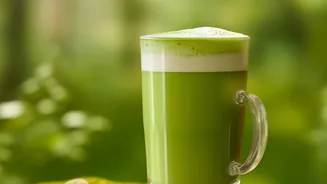
This shift from coffee to matcha is becoming increasingly visible in urban India, especially in the fast-paced corporate environments of Mumbai, Bengaluru, and Delhi. The trend is driven by a growing health-consciousness and a broader wellness movement that sees employees seeking out functional beverages. As Indian companies invest more in corporate wellness, offering everything from mental health support to nutritional guidance, matcha fits perfectly as a tool for personal productivity and well-being. Cafes and brands have responded, with matcha lattes and other innovative drinks becoming a common sight, signifying its move from a niche product to a mainstream lifestyle choice.
Choosing Your Perfect Match(a)
For those new to matcha, the terminology can be confusing. The main distinction you'll see is between 'ceremonial' and 'culinary' grade. Ceremonial grade is made from the youngest tea leaves, has a more vibrant color, and a smoother, more delicate flavour, making it ideal for drinking straight with water. Culinary grade is made from slightly older leaves, which gives it a more robust and slightly bitter flavour that stands up well when mixed with milk for lattes or used in smoothies and baking. While these terms are not officially regulated, they serve as a helpful guide for how to best use the tea.