






The Comfort Trap: Why Your Chair Isn't Enough
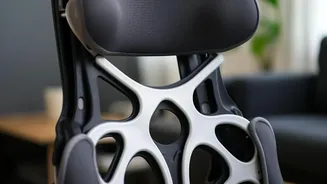
An ergonomic chair is an excellent tool for promoting good posture and reducing strain on your back and neck. It encourages you to sit correctly, aligning your spine and minimising discomfort. However, its primary function is to make a static position
more sustainable, not to eliminate the health risks of being static itself. Our bodies are designed for movement. When we remain seated for prolonged periods, even in the best chair, we are engaging in sedentary behaviour. Research shows that this inactivity is linked to a host of health concerns, regardless of how much you exercise outside of work hours. The problem isn't just the sitting, but the lack of movement.
What Happens When Your Body Stays Still
When you sit for long stretches, several negative physiological changes occur. Blood flow slows down, which can cause blood to pool in your legs and may lead to varicose veins. Your metabolism becomes less efficient at processing fats and sugars, which can contribute to weight gain and increase the risk of conditions like type 2 diabetes and heart disease. Your large muscle groups, particularly in your legs and glutes, remain inactive, which can lead to weakening over time. Furthermore, prolonged sitting causes hip flexor muscles to shorten and can create compression in the discs of your spine, leading to stiffness and pain.
The Power of Small, Frequent Movements
The antidote to a sedentary workday isn't necessarily an intense gym session at the end of the day. While regular exercise is vital, studies show that breaking up long periods of sitting with short, frequent bursts of activity is crucial for counteracting the negative effects. Experts recommend getting up and moving around at least once every hour, if not every 30 minutes. These “movement snacks” don't have to be complicated. The simple act of standing up re-engages your muscles, improves circulation, and gives your spine a break from constant compression. This concept, often referred to as Non-Exercise Activity Thermogenesis (NEAT), describes the energy expended for everything we do that is not sleeping, eating or sports-like exercise. Increasing your NEAT is a powerful way to boost your overall health.
Simple Ways to Integrate Movement
Incorporating movement into your day is easier than you think. Start by setting a timer to remind yourself to get up every 30 to 60 minutes. When you do, try some of these simple activities: Stand Up for Calls: Make it a rule to stand or pace around the room during phone calls or virtual meetings where you don't need to be on camera. Walk and Talk: Instead of messaging a colleague, walk over to their desk. If you have a one-on-one meeting, suggest a walking meeting. Hydration Breaks: Keep a water bottle at your desk. Drinking more water not only keeps you hydrated but also encourages more frequent trips to the washroom, forcing you to get up. Desk Stretches: Gently stretch your neck, shoulders, and wrists. Stand up and do a few simple leg stretches to loosen your hip flexors and hamstrings. * Take the Scenic Route: Use a restroom on a different floor and take the stairs. Park further away from the office entrance. These small choices add up.
Boost Your Brain, Not Just Your Body
The benefits of moving more at work extend beyond physical health. Physical activity increases blood flow to the brain, which can sharpen your focus, boost creativity, and improve your problem-solving skills. Many people experience a dip in energy and concentration in the mid-afternoon. Instead of reaching for another cup of tea or coffee, a short walk or a few minutes of stretching can be a more effective way to refresh your mind and re-energise yourself for the rest of the day. Regular movement is also linked to improved mood and reduced stress levels, contributing to better overall mental well-being and job satisfaction.