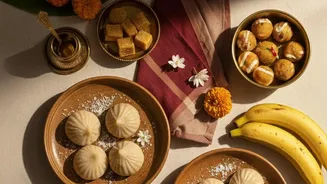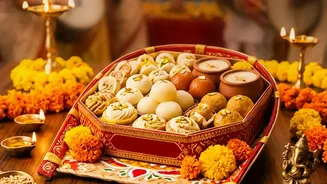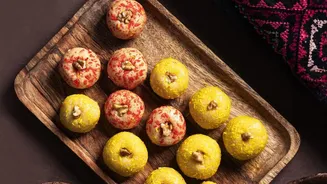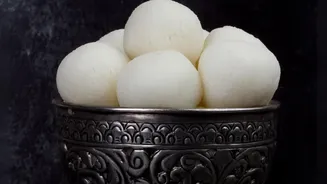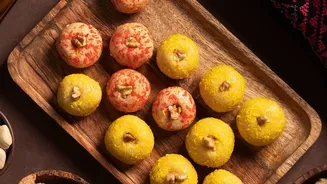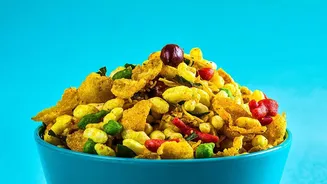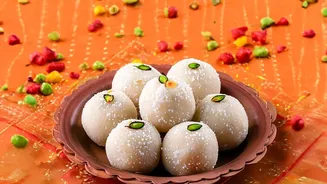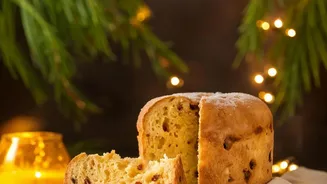

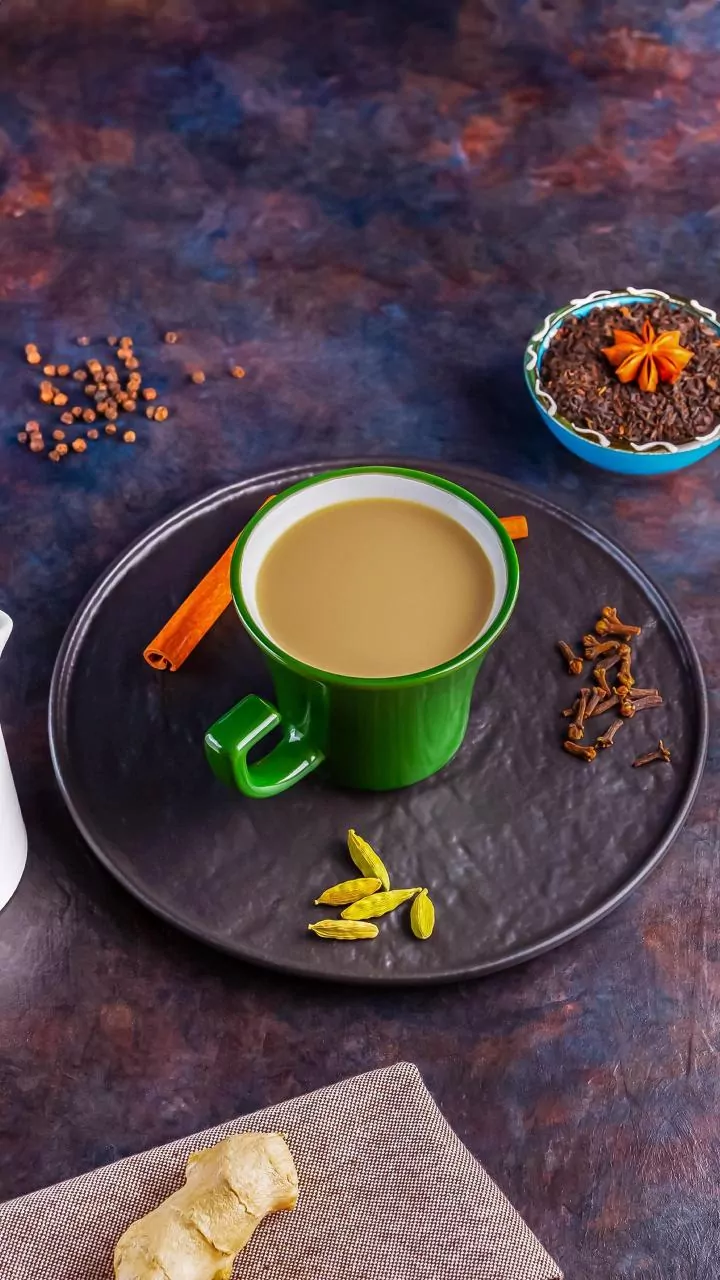


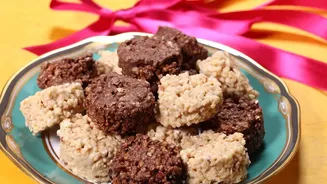

The festive gift table tells a new story. Next to grandma’s besan ladoos sits a box of artisanal chocolates, and a jar of homemade chakli shares space with gourmet cheese. This isn't chaos; it's the evolution of Indian food gifting in action.
The Enduring Charm of Homemade
For generations,
festive preparations in India have been synonymous with the aromas wafting from the family kitchen. The act of making sweets and savouries at home—be it gujiyas for Holi, ladoos for Diwali, or kulkuls for Christmas—is a tradition steeped in love and togetherness. These recipes, often passed down through generations, are more than just food; they are carriers of memory, culture, and personal touch. Making them is a cherished ritual, a way of preserving family heritage and infusing the celebration with an unparalleled sense of warmth. Even in today's fast-paced world, the effort poured into a homemade treat makes it feel more meaningful than a store-bought alternative, a sentiment many families continue to hold dear.
The Rise of the Artisan
Alongside the treasured homemade goodies, a new category has earned its place on the festive table: the artisanal product. The last decade has seen a boom in homegrown Indian brands offering everything from bean-to-bar chocolates and single-origin coffees to gourmet cheeses, infused honey, and flavoured nuts. This trend is driven by a growing consumer appreciation for quality, craftsmanship, and unique flavours. Gifting a product from an artisanal brand is no longer just about convenience; it's a statement. It shows thoughtfulness, supports local and small-scale producers, and introduces recipients to new tastes and experiences. As consumers become more discerning, the story behind a product—its origin, ingredients, and the maker's philosophy—adds a layer of value that mass-produced items cannot replicate.
Convenience Meets a New Conscience
Let’s be practical: modern life is busy. For many households, especially where both partners work, spending days preparing an elaborate spread of festive snacks is no longer feasible. This is where store-bought options come in. However, today's choice is not simply about grabbing the most convenient box of mithai. There is a growing consciousness around consumption. Families are making more mindful decisions, opting for hampers with healthier snacks, sweets made with natural ingredients like jaggery and dates, or products from brands that align with their values. This shift represents a move from thoughtless buying to thoughtful curation. The question is evolving from 'how much is in the box?' to 'what has been chosen and why?'.
Redefining the 'Personal Touch'
The definition of a 'personal' gift is broadening. While a batch of homemade karanji is undeniably personal, so is a carefully curated hamper that reflects the recipient's tastes. Today, personalisation is about showcasing your aesthetic and sharing your discoveries. It’s about creating a collection—a mix of something you made, something you love, and something you discovered. This hybrid approach allows the giver to maintain the emotional connection of a home-cooked item while also adding an element of surprise and luxury with a gourmet purchase. The final gift hamper becomes a unique expression of the giver's identity: rooted in tradition but embracing contemporary tastes. Tradition isn't being abandoned; it's being re-engineered for modern life.