






Start with a Clean Slate
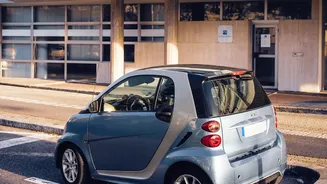
Before you pack a single bag, the first step is to completely empty your boot. Many of us use our cars for daily errands, and boots can become cluttered with shopping bags, sports equipment, or old winter tools. Take everything out. This not only gives
you a clear picture of the space you're working with but also prevents you from hauling unnecessary items on your trip. Starting with an empty space gives you a clean canvas and makes organizing much easier and more effective.
Place Heavy Items Low and Centered
The golden rule of packing a car is to handle the heaviest items first. Large suitcases, coolers, and any other bulky gear should be placed flat on the floor of the boot, pushed up against the back seats. This approach creates a stable base for lighter items and is crucial for vehicle safety and handling. Distributing weight evenly helps keep the car balanced, preventing it from becoming unstable during turns or sudden stops. A stable car leads to a smoother, more comfortable ride for everyone inside.
Pack in Reverse: Last In, First Out
Think about your journey and what you'll need to access before you reach your final destination. Any items required mid-journey—like an overnight bag for a hotel stop, jackets, or a picnic blanket—should be packed last so they are near the boot opening. This simple but effective strategy prevents the dreaded roadside rummage where you have to unpack half the car just to find one item. For families, it can be useful to pack children's bags near the top in case they need a quick change of clothes upon arrival.
Embrace Soft Luggage
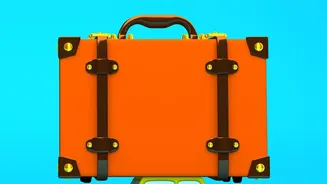
While hard-shell suitcases are great for air travel, they can be inefficient in a car boot. Their rigid shape creates awkward, unused spaces. Soft luggage like duffel bags, holdalls, or even sturdy canvas bags are a road tripper’s best friend. Their flexibility allows them to be squeezed into tight corners and moulded around other items, making the most of every available inch of space. Once larger bags are in place, use smaller soft items like rolled-up towels or jackets to fill any remaining gaps, which also stops things from sliding around.
Create Zones with Organizers
To prevent your boot from descending into chaos, create designated zones for different categories of items. Collapsible boot organizers, storage bins, or even simple cardboard boxes are excellent for this. You can have one container for snacks and drinks, another for an emergency kit, and a third for beach or hiking gear. This compartmentalization keeps items secure and makes them easy to find without disturbing the rest of your carefully packed setup. Cargo nets and hooks can also be used to secure loose items and prevent spills.
Keep In-Cabin Essentials Separate
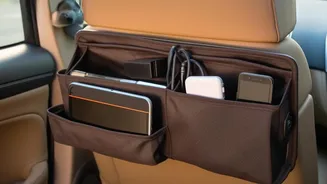
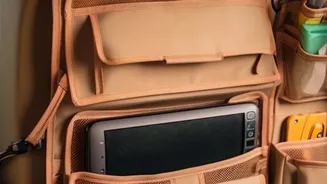
A comfortable journey depends on having essentials within arm's reach, so they don't belong in the boot at all. Prepare a separate, easily accessible bag for the passenger cabin. This should contain snacks, water bottles, charging cables, wet wipes, and any entertainment for the kids. Having these items close by minimises disruptions and the need to pull over, keeping the trip smooth and passengers happy. A small, soft-sided cooler for drinks and perishable snacks in the front or back seat can be a game-changer.