



Understanding the Dual Monsoons
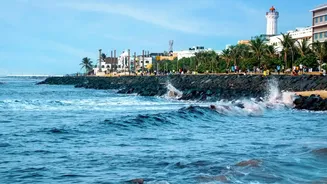
South India is governed by not one, but two monsoon seasons, which dictate the weather on opposite coasts. The Southwest Monsoon brings heavy rain to the west coast states of Kerala and Karnataka from roughly June to September. During this time, the Arabian
Sea can be rough, with strong winds and large swells. Conversely, the east coast, including Tamil Nadu, remains relatively dry. From October to December, the pattern flips. The Northeast Monsoon delivers rain to the east coast, while the west coast enjoys drier, calmer weather, making it the peak season for beach tourism in states like Goa and Kerala. Planning your visit with these two seasons in mind is the first step to a perfect coastal holiday.
For Wave Chasers: Best Surfing Seasons
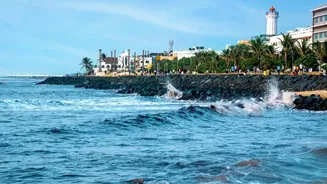
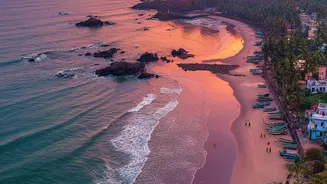
South India has a burgeoning surf culture with spots that cater to different skill levels, depending on the season. The pre-monsoon (April-May) and post-monsoon (September-November) periods often provide the best conditions, with clean swells and favourable winds. On the west coast, places like Varkala and Kovalam in Kerala, and various spots in Karnataka like Mulki, are best visited from October to April for consistent, manageable waves suitable for beginners and intermediates. The east coast, particularly in Tamil Nadu and Pondicherry, comes alive during the Southwest Monsoon (May to September) when it receives larger swells. Destinations like Mahabalipuram and Covelong (Kovalam, Chennai) are popular for their punchier waves during this period.
Seeking Serenity: Calm Seas and Gentle Shores
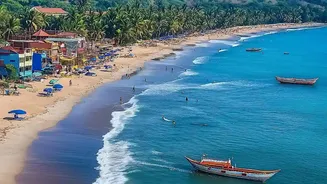
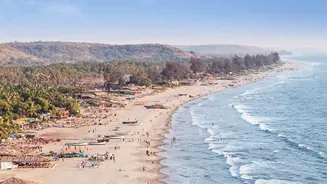
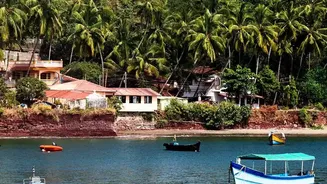
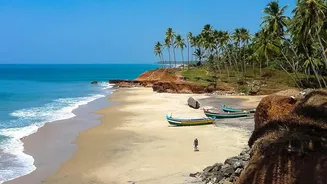
If your ideal beach trip involves swimming, sunbathing, and relaxation, the post-monsoon winter season from December to March is your best bet for the west coast. Beaches in Kerala like Marari Beach, known for its peaceful fishing village atmosphere, offer much calmer waters than Varkala, making them ideal for families and swimmers. Further north, the beaches of Gokarna in Karnataka offer a laid-back spiritual vibe with pristine shores. In Goa, the period from November to March is perfect for enjoying its famous golden sands and gentle waves, particularly in the quieter South Goa. On the east coast, Vizag's RK Beach is known for its mild waves and tranquil atmosphere, making it a good year-round option for a calm escape.
The Monsoon Alternative: Lush Landscapes and Lower Prices
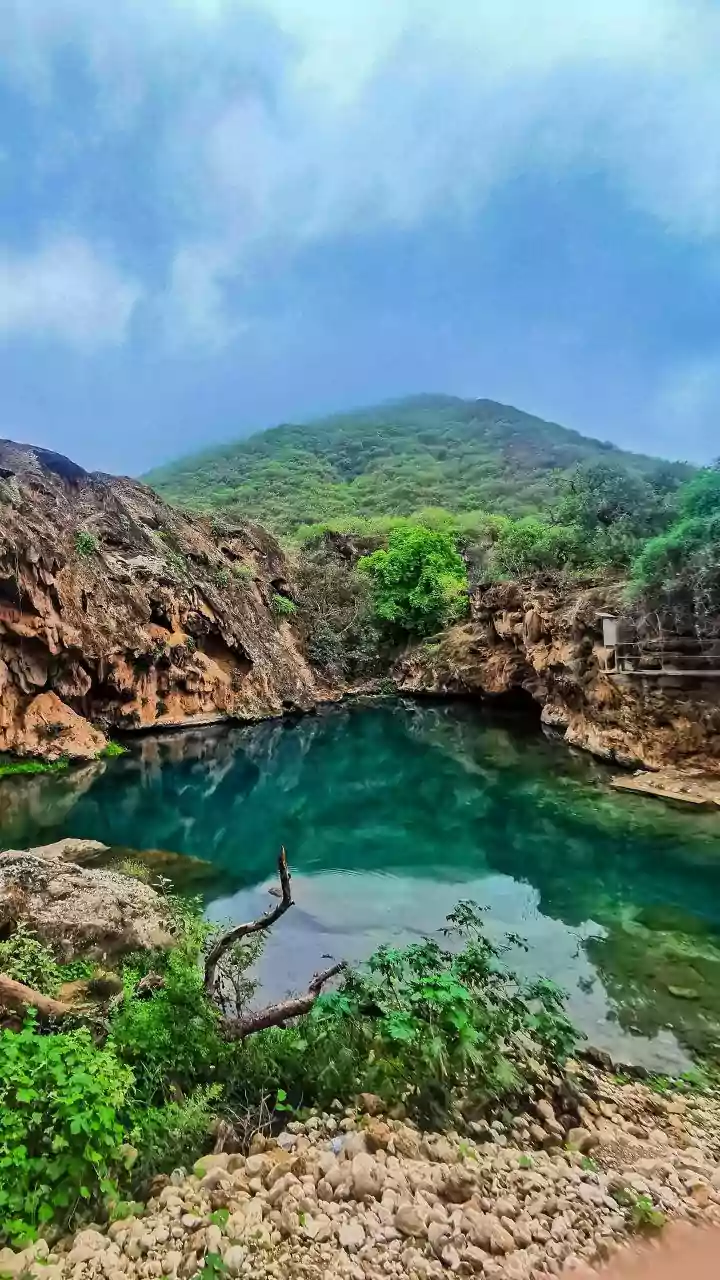
While many avoid the monsoon, traveling to South India between June and September can be a magical experience, provided you choose your location wisely. This is not the time for a traditional beach holiday on the west coast due to rough seas, but it is when the Western Ghats become exceptionally lush and waterfalls are at their most spectacular. Hill stations like Munnar in Kerala and Coorg in Karnataka are stunningly green and misty. It's also the traditional season for Ayurvedic treatments in Kerala, as the humid weather is believed to make the body more receptive to therapies. While beach activities might be off the table, you'll benefit from fewer crowds and lower prices. Coastal towns like Kovalam and Varkala take on a different, dramatic beauty during this time.