
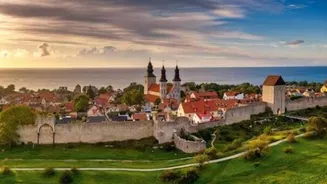
Visby: The Walled City of Roses and Ruins
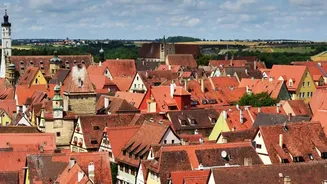
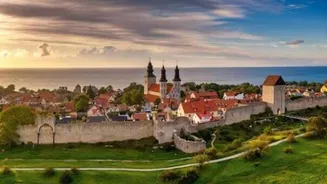
Located on the island of Gotland, Visby is arguably Scandinavia's best-preserved medieval city and a designated UNESCO World Heritage site. Once a powerful hub of the Hanseatic League during the 12th and 13th centuries, its former glory is etched into
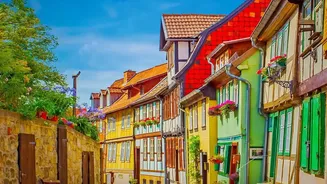
every corner. The entire town is encircled by a magnificent 3.4-kilometre stone wall, complete with defensive towers you can still walk today. Inside, a labyrinth of cobblestone streets winds past storybook cottages, colourful flowers, and the hauntingly beautiful ruins of more than a dozen medieval churches. Known as 'the city of roses and ruins', Visby bursts into bloom in the summer, creating a magical atmosphere. While popular, its island setting gives it a relaxed pace, a world away from the continental crush. A two or three-day visit allows ample time to explore the historic inner city, wander through the serene botanical garden, and soak in the sea views.
Sigtuna: Where Sweden Began
Just a short trip from Stockholm lies Sigtuna, widely regarded as Sweden's very first town, founded around 980 AD during the Viking Age. A stroll down Stora Gatan, the nation's oldest street, feels like a journey back in time, with its layout remaining largely unchanged for over a thousand years. This picturesque town on the shores of Lake Mälaren was once the country's royal, political, and commercial heart, and it's where the first Swedish coins were minted. Today, Sigtuna is an open-air museum, dotted with ancient runestones, the ruins of early stone churches like St. Peter and St. Olaf, and charming wooden houses. Its small size makes it a perfect day trip for those looking to experience deep history at a leisurely pace, with cosy cafes and independent shops providing a relaxing break from sightseeing.
Lund: A City of Scholars and Spires
In the southern region of Skåne, Lund presents a unique blend of medieval gravitas and youthful energy. As Sweden's second-oldest town, founded around 990, it was once the religious capital of Scandinavia, referred to as 'Metropolis Daniae'. During its medieval peak, the city boasted nearly 30 churches. The most commanding reminder of this era is the colossal Lund Cathedral, a masterpiece of Romanesque architecture consecrated in 1145. Though much of the old city was lost after the Reformation, its medieval street plan remains remarkably intact. The presence of Lund University, founded in 1666, infuses the ancient streets with a lively, intellectual atmosphere that keeps it from feeling like a static museum. Visitors can explore half-timbered houses and historic buildings before relaxing in one of the many cafes favoured by students and locals.
Ystad: Cobblestones and Coastal Charm
Also located in Skåne, the coastal town of Ystad offers a different flavour of medieval life, mixed with seaside air and a touch of modern fame. Dating back to the 11th century, its historic centre is a delightful collection of cobblestone streets and well-preserved half-timbered houses. Key medieval sites include the imposing St. Mary's Church (Sankta Maria Kyrka) and the Greyfriars Abbey, one of Sweden's best-preserved medieval monasteries. Beyond its history, Ystad is known to many as the home of fictional detective Kurt Wallander, and fans can follow in his footsteps through the scenic town. The town's proximity to long, sandy beaches adds another layer to its appeal, allowing visitors to combine historical exploration with relaxing coastal walks, offering a pace of life that is decidedly unhurried and restorative.