



The Salad Satisfaction Problem
We’ve all been there. You commit to a healthy salad for lunch, meticulously chopping lettuce, cucumbers, and tomatoes. It looks virtuous and feels healthy, but by 3 p.m., your stomach is rumbling, and you’re reaching for the nearest snack. The problem
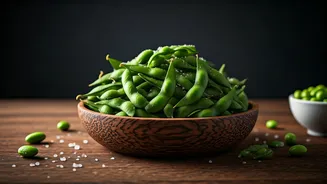
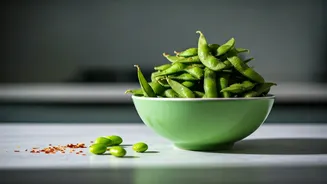
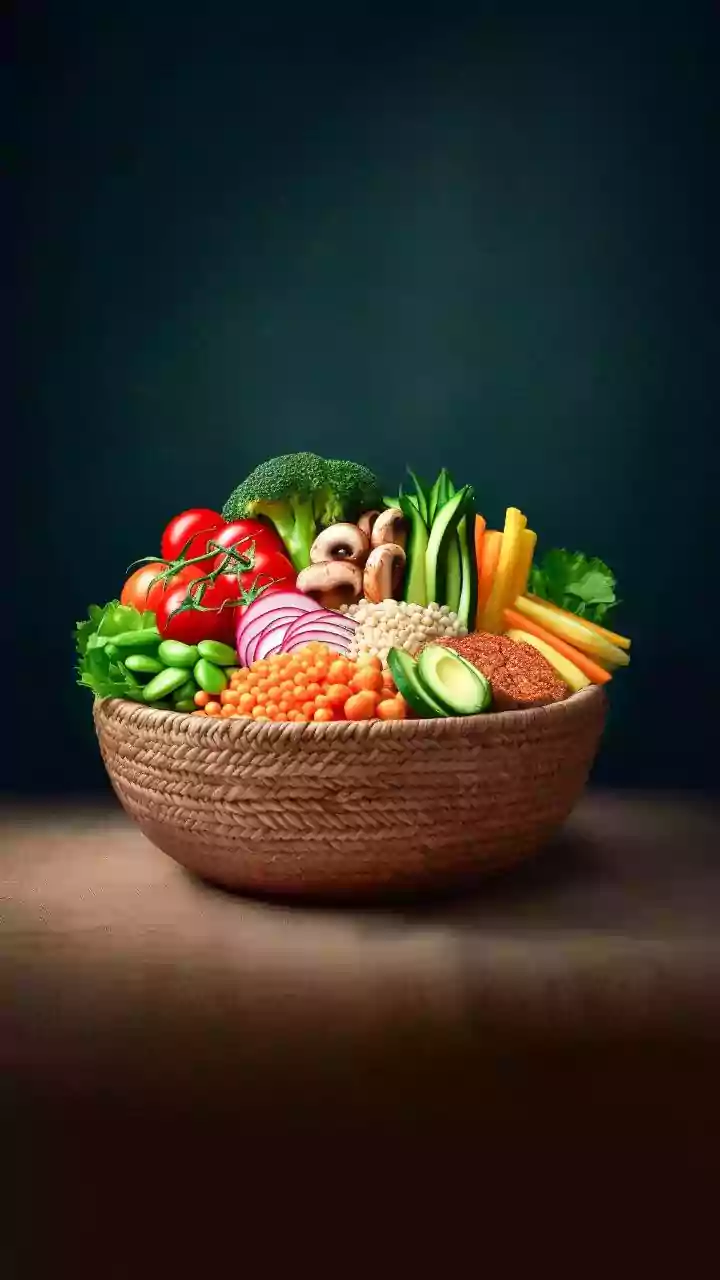
isn’t the salad itself, but what’s often missing: substance. A bowl of greens, while nutritious, often lacks the key macronutrients that signal fullness to your brain and keep you energised for hours. This is where edamame, a humble green soybean, enters the picture. Often relegated to a pre-dinner snack at Japanese restaurants, its true potential lies in its ability to single-handedly elevate a simple salad into a robust meal.
A Nutritional Powerhouse in a Pod
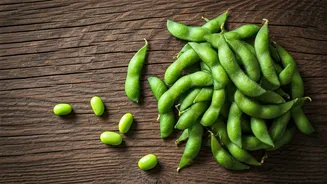
So, what makes edamame so special? It's all about the nutritional density packed into each bean. Edamame are immature soybeans, harvested before they harden. Unlike many plant-based foods, they are a 'complete protein', meaning they contain all nine essential amino acids that our bodies cannot produce on their own. A single cup of cooked, shelled edamame provides roughly 18 grams of protein. For perspective, that’s more protein than you’d find in a large egg or a glass of milk. But the benefits don't stop at protein. That same cup also delivers about 8 grams of dietary fibre. This combination of high protein and high fibre is the secret to its meal-making power.
The Science of Feeling Full
Protein and fibre are crucial for satiety, the feeling of fullness and satisfaction after a meal. Protein is the most satiating macronutrient, helping to reduce hunger hormones and increase the time it takes for your stomach to empty. Fibre, particularly soluble fibre found in edamame, slows down digestion and helps regulate blood sugar levels, preventing the sharp spikes and subsequent crashes that can lead to cravings. This dynamic duo works together to keep you feeling full and energised long after you've finished eating. Studies have shown that the combination of protein and fibre in foods like edamame is effective for weight management because it helps control appetite naturally. By adding a generous scoop of edamame to your salad, you are fundamentally changing its composition from a light snack to a meal that can sustain you.
Easy to Prep, Easy to Use
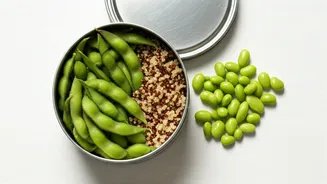
Incorporating edamame into your salads couldn't be simpler. Most supermarkets sell edamame in the frozen vegetable aisle, either in their pods or already shelled. For salads, shelled edamame is the most convenient option. You can quickly cook them by boiling or steaming for just a few minutes. After cooking, drain them well and let them cool slightly before tossing them into your salad. You can even run them under cool water to speed up the process. For an even quicker method, many frozen varieties can be thawed in the microwave in a minute or two. They can be added warm or cold, making them a versatile ingredient for meal prep.
Flavour Pairings and Ideas
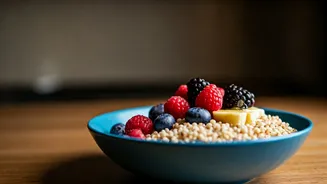
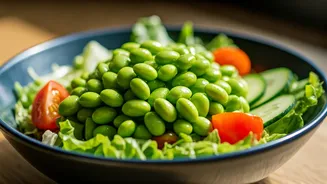
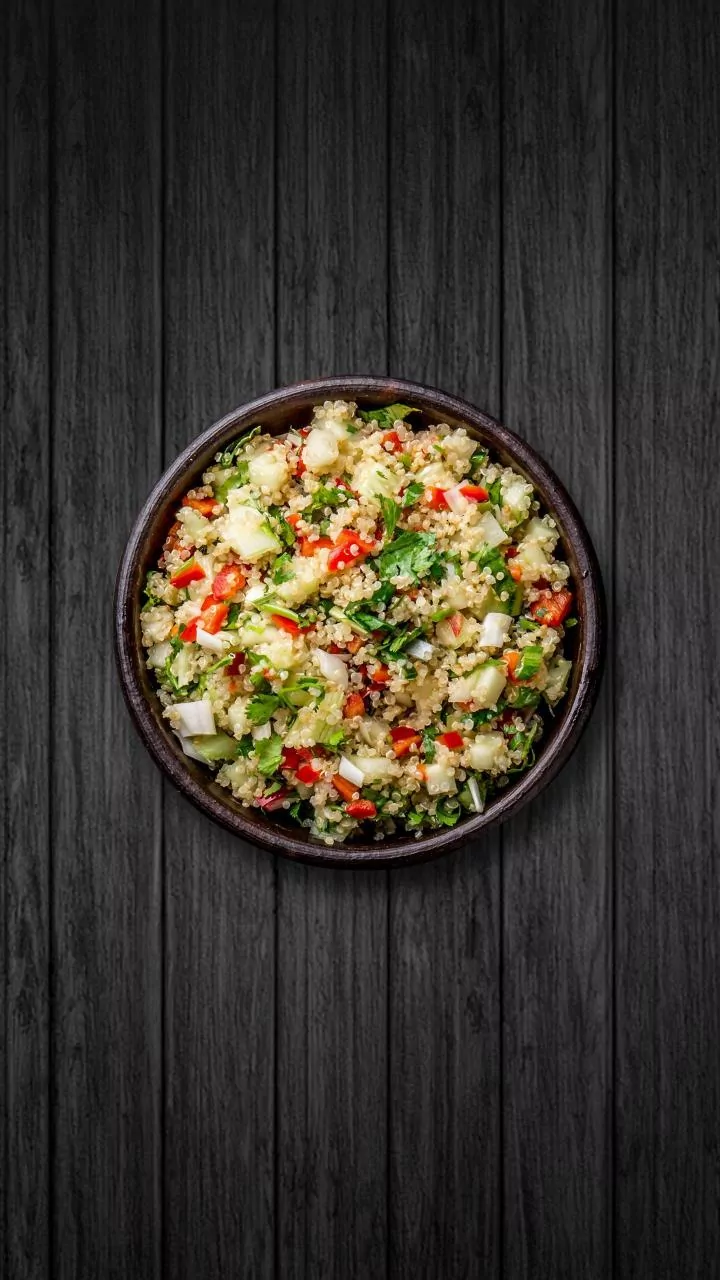
Edamame's mild, slightly sweet, and nutty flavour makes it a perfect team player in a wide variety of salads. It doesn't overpower other ingredients but adds a satisfying texture and substantial bite. For an Asian-inspired salad, toss edamame with shredded cabbage, carrots, scallions, and a dressing made from rice vinegar, soy sauce, and toasted sesame oil. For a Mediterranean twist, combine edamame with cherry tomatoes, cucumber, red onion, fresh mint, and a lemon-herb vinaigrette. They also pair beautifully with grains like quinoa or farro to create an even heartier grain bowl. You can also combine them with other beans, like black beans and corn, for a Southwestern-style salad with a lime-based dressing. The possibilities are endless, so don't be afraid to experiment with your favourite ingredients.