



The Quest for True Darkness
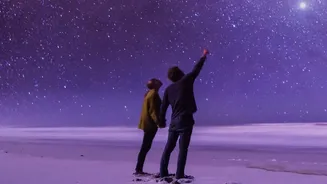
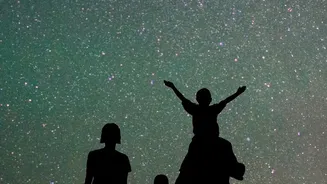
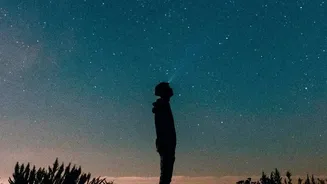
For many people, especially those living in urban areas, a sky filled with thousands of stars is a sight reserved for movies. Light pollution has effectively erased the Milky Way from view for over 80% of the world's population. This has given rise to
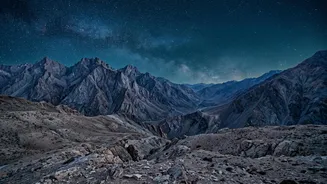
'astrotourism', a movement of travellers seeking out places with minimal artificial light. At the heart of this trend are International Dark-Sky Parks and Reserves—areas officially certified for their exceptional starry nights and protected nocturnal environments. These parks actively work to reduce light pollution, preserving the natural darkness not only for human enjoyment but also for scientific research and local wildlife. India is home to its own premier destination: the Hanle Dark Sky Reserve in Ladakh, the first of its kind in South Asia.
Why Altitude Is Key
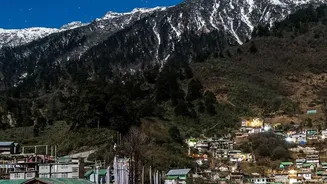
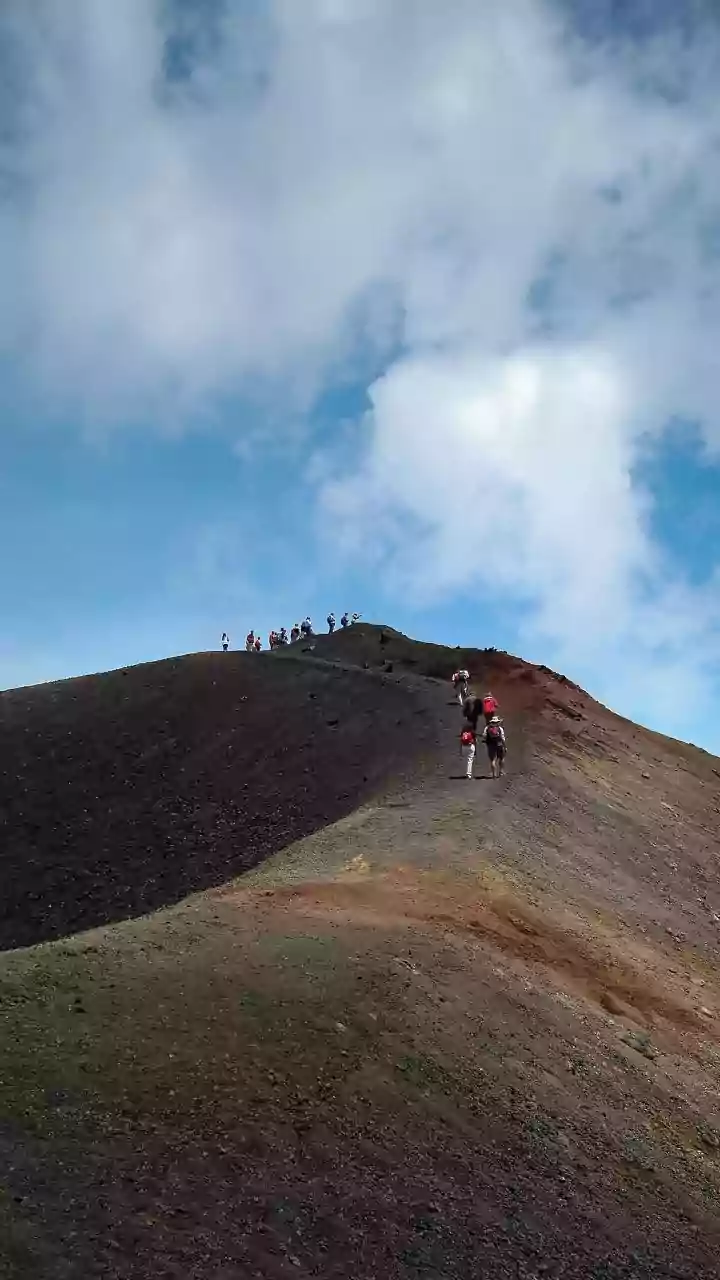
Combining a dark-sky location with high altitude creates the ultimate stargazing experience. The higher you go, the less atmosphere there is between you and the stars. This thin, dry air, found in places like Ladakh or Spiti Valley, means less turbulence, humidity, and pollution to distort the view. The result is a sharper, clearer picture of the cosmos, where constellations appear brighter and faint objects like nebulae and distant galaxies become visible to the naked eye. This is why major astronomical observatories, like the one at Hanle, are built at high elevations. For travellers, this translates to breathtaking, crystal-clear views that are impossible to get at sea level.
A Digital Detox Under the Stars
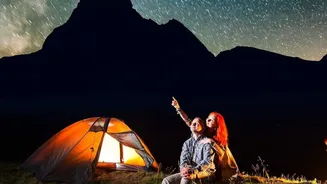
The appeal of stargazing for younger generations goes beyond just pretty views; it's a powerful antidote to modern burnout. In an always-on culture, a trip to a remote dark-sky park offers a rare opportunity for a true digital detox. It's a chance to disconnect from screens and reconnect with nature in a profound way. The experience is inherently meditative, inspiring a sense of awe and perspective that can help reduce stress. Gazing at a universe of stars that are millions of light-years away is a humbling reminder of our place in the cosmos, offering a mental reset that many young travellers actively seek.
The Rise of the Astro-Photographer
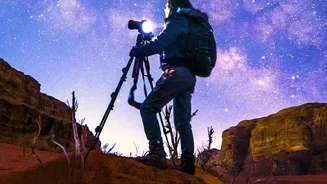
The trend is also fuelled by the creative challenge of astrophotography. Capturing the Milky Way arching over a dramatic landscape or the faint glow of a nebula has become a new frontier for amateur photographers. Social media has turned the night sky into a travel aesthetic, inspiring people who first saw these incredible images on screen to seek the experience for themselves. A trip to a dark-sky park is no longer just a passive viewing experience; it’s an opportunity to create and share something uniquely beautiful. Locations like Pangong Lake in Ladakh, the Rann of Kutch in Gujarat, and Spiti Valley in Himachal Pradesh have become hotspots for this reason.
Planning Your Celestial Expedition
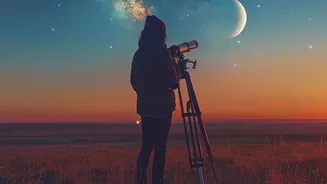
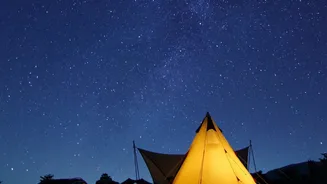
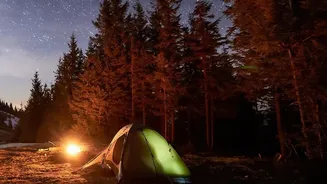
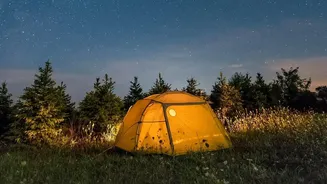
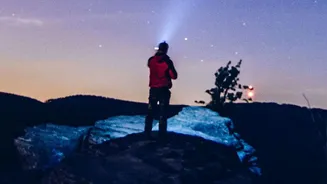
Embarking on a high-altitude stargazing trip requires some planning. The best time to go is during a new moon, when the sky is at its darkest. Destinations in Ladakh and Spiti are often best visited between May and September. In South India, places like Yelagiri and the Jawadhu Hills in Tamil Nadu offer excellent stargazing from October to March. While you can see a lot with just your eyes, a good pair of binoculars can dramatically enhance the view. Many campsites and local guides, like the Astronomy Ambassadors in Hanle, offer guided sessions with telescopes, making the cosmos accessible even to beginners. Packing warm layers is essential, as even summer nights can be cold at high altitudes.