







A Monsoon Month Without Rain
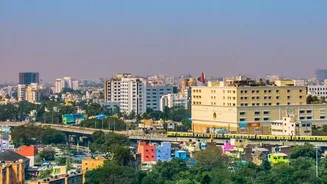
July 2026 will be remembered in Bengaluru as a month the monsoon forgot. According to the India Meteorological Department (IMD), the city observatory recorded just 23mm of rainfall, making it the second-driest July in 108 years. This figure is a dramatic
departure from the typical 80mm to 100mm of rainfall the city usually expects during this peak monsoon month. After a healthy spell of pre-monsoon showers that had the city feeling optimistic, the abrupt dry spell was jarring for residents accustomed to planning their lives around the rains. The month-long wait for the monsoon to intensify never materialised, turning a historically wet period into a prolonged, anxious pause.
Searching for the Missing Clouds
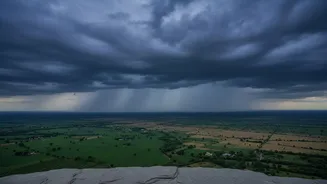
So, where did the rain go? Meteorologists point to a combination of large-scale climate phenomena and local conditions. The development of El Niño conditions in the Pacific Ocean is a primary suspect, known for weakening the southwest monsoon over India. Scientists also noted the absence of other supportive weather systems, such as a strong Indian Ocean Dipole or a favourably positioned Madden-Julian Oscillation, which typically help drive monsoon activity. An offshore trough that brought brief showers at the very end of the month was a temporary reprieve, but not enough to alter the month's narrative. The result was not just a lack of rain but also unusually high temperatures, with the city breaking a 112-year-old heat record on one July day.
The Ripple Effect of a Dry Spell
The consequences of a failed monsoon month extend far beyond inconveniently sunny days. For a city like Bengaluru, water is a perennial concern. A dry July puts immediate pressure on the city's water resources, affecting everything from reservoir levels to the recharge of groundwater tables. The demand for water tankers often sees a sharp increase during such periods, as was seen earlier in the year when weak pre-monsoon showers strained supply. Farmers in the surrounding regions, who time their planting seasons to the monsoon's arrival, face uncertainty and potential crop losses. Even within the city, urban gardeners see their plants wither, and the collective mood is dampened by concerns over future water availability.
The Limits of a City-Wide Forecast
This unusually dry spell highlights a crucial gap in how city dwellers receive and interpret weather information. A city-wide forecast, while useful, often fails to capture the complex reality of urban microclimates. One part of Bengaluru can be experiencing a downpour while another, just a few kilometres away, remains bone dry. The city’s landscape of concrete, asphalt, and varying green cover creates distinct pockets of weather. Relying on a single forecast for a sprawling metropolis is like using a map of India to navigate a single neighbourhood. Events like the dry July demonstrate that for meaningful daily planning and long-term resilience, residents need more granular, localised, and accessible weather data.
Tuning into Your Neighbourhood’s Weather
The good news is that a new generation of weather-tech is rising to meet this challenge. A number of hyperlocal weather apps and services are now available, offering detailed, neighbourhood-specific forecasts. Companies like Skymet and platforms like Weather Underground leverage networks of automated weather stations (AWS) to provide real-time data on temperature, humidity, and rainfall for specific localities. Furthermore, citizen-led initiatives are making a difference. Projects like the Bangalore Weather Open Project, initiated by Yuktix Technologies, have been setting up networks of weather stations to provide open-access data, empowering both citizens and researchers with the tools to understand their immediate environment better. These tools allow residents to move from being passive recipients of weather news to active observers of their local climate.