



Meet the ‘Blue Mountain’ Tea
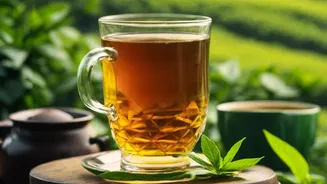
When you hear about Indian tea, names like Assam and Darjeeling probably come to mind first. But tucked away in the southern state of Tamil Nadu are the Nilgiri Hills, or “Blue Mountains.” This region produces a tea that is prized for its unique character.
What makes a Nilgiri tea “Orthodox” is the traditional, whole-leaf processing method. Unlike the industrial crush-tear-curl (CTC) method used for many mass-market tea bags, the Orthodox process involves carefully rolling and oxidizing whole tea leaves by hand or with specialized machinery that mimics the hand-rolling process. This gentle technique preserves the delicate, complex flavors of the leaf, resulting in a brew that is exceptionally fragrant, floral, and subtly fruity, with a clean, brisk finish.
Why Cold Brewing Is the Secret
While you can certainly enjoy Nilgiri tea hot, cold brewing unlocks a completely different side of its personality. The traditional hot-water steep is designed to extract flavors quickly, but it can also pull out more tannins and bitterness. Cold brewing, on the other hand, is a game of patience. By steeping the tea leaves in cold water for an extended period (typically 8 to 12 hours), the flavor is extracted slowly and gently. This process yields a drink with significantly less bitterness and astringency. The result is a naturally sweeter, smoother, and more mellow cup. Many tea aficionados consider Nilgiri tea one of the best in the world for icing or cold brewing precisely because it doesn’t cloud over when chilled and its inherent sweetness shines without any added sugar.
A Pure, Palatable Dose of Antioxidants
Tea is well-known for its health-supporting properties, largely thanks to a class of antioxidants called polyphenols, including flavonoids and catechins. Nilgiri tea is a rich source of these compounds, which are believed to help protect the body's cells from damage. The brewing method can affect how many of these antioxidants end up in your cup. While some studies suggest hot water extracts more antioxidants overall from certain teas, the cold brew method has its own unique advantages. Some research indicates that cold water is better at extracting certain beneficial compounds while leaving behind some of the bitter-tasting tannins. This creates a more palatable drink, allowing you to enjoy the tea’s pure flavor along with its antioxidant benefits without any harshness.
The Ultimate Refreshment Upgrade
In the search for a healthy and satisfying drink, cold-brewed Nilgiri tea checks all the boxes. It's a zero-calorie, sugar-free beverage that hydrates and refreshes. Its bright, floral, and slightly fruity notes make it a sophisticated alternative to sugary sodas, juices, or even standard, often-bitter iced teas. The lower caffeine content that results from cold brewing—often about 30% less than its hot-brewed counterpart—makes it a perfect all-day sipper, from a gentle morning start to a restorative afternoon break. Its naturally smooth and sweet profile means you won’t feel the need to add sugar or milk, letting the pure essence of the tea shine through.
How to Make It at Home
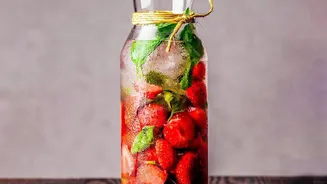
Making your own cold-brewed Nilgiri tea couldn’t be simpler. You don't need any special equipment, just a jar or pitcher, some quality tea, and water. A good starting ratio is about 1 to 2 teaspoons of loose-leaf Nilgiri Orthodox tea for every 8 ounces of cold, filtered water. Simply combine the tea and water in your container, give it a gentle stir, and cover it. Place it in the refrigerator to steep for anywhere from 8 to 12 hours. The longer it steeps, the stronger the flavor will be. Once it's done, just strain the leaves out, and it's ready to serve. Pour it over ice, add a slice of lemon if you like, and enjoy.