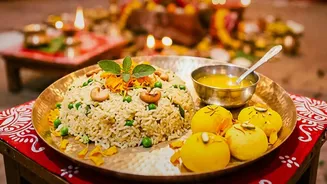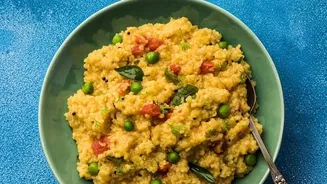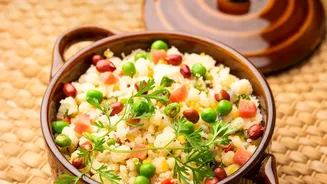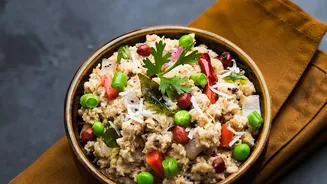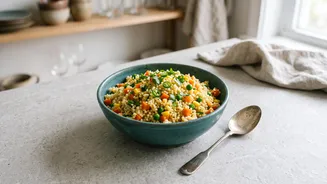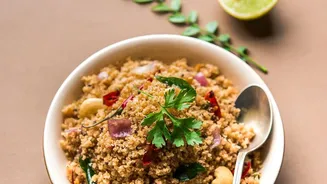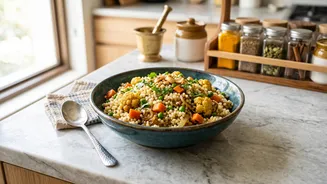

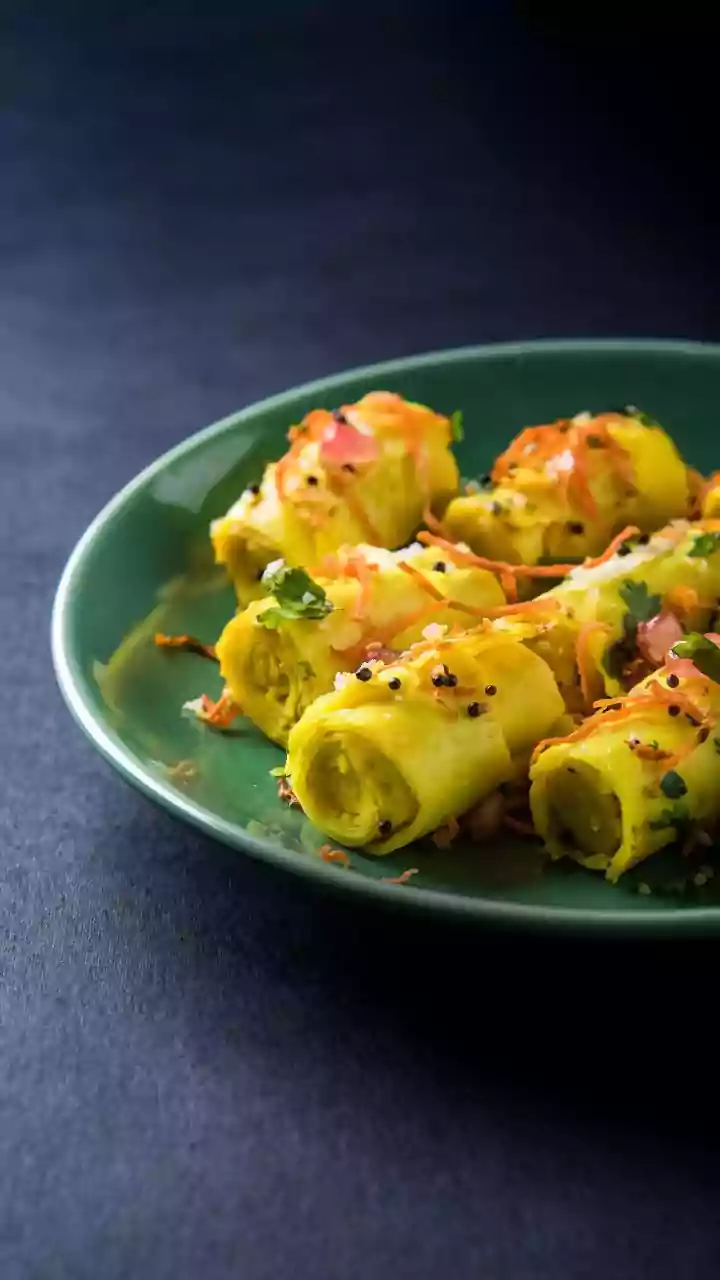





Millet pulao is a wonderfully nutritious and light alternative to traditional rice dishes. But the difference between a fluffy, flavourful pulao and a sticky, mushy mess all comes down to one crucial stage: preparing the millet before it cooks.
Why Prepping Millet is a Non-Negotiable Step
Many home
cooks treat millets like rice, simply washing and adding them to the pot. This is often where things go wrong. Millets contain natural compounds called anti-nutrients (like phytic acid) which can interfere with mineral absorption and cause digestive issues for some. Soaking is the most effective way to break down these compounds, making the millet easier to digest and its nutrients more available to your body. Beyond the nutritional benefits, preparation is key for texture and taste. Soaking softens the grain's tough outer layer, which allows it to cook more evenly and absorb water consistently. This step is the secret to avoiding hard, uncooked centres and achieving those perfectly separate, fluffy grains that define a good pulao. Many also find that soaking removes any subtle bitterness, enhancing the millet's natural nutty flavour.
The Three Pillars of Millet Preparation
To guarantee success with your pulao, follow these three simple but vital steps. First, always rinse the millet thoroughly in a fine-mesh sieve under cool, running water to remove any dust or debris. Second, soak the millet. For smaller varieties like foxtail, barnyard, or little millet, a soak of 30-60 minutes is sufficient. Some sources suggest even longer soaks of up to six hours can further improve digestibility. Always drain the soaking water and use fresh water for cooking. Third, consider an optional dry roast. After soaking and draining, toasting the millet in a dry pan for a few minutes until fragrant can significantly enhance its nutty aroma and help keep the grains separate after cooking.
Foolproof Vegetable Millet Pulao Recipe
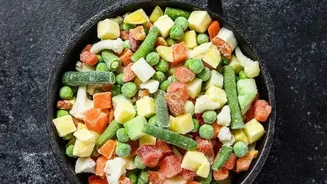
This recipe uses a pressure cooker for convenience, but it can be adapted for a pot with a tight-fitting lid. The key is the millet-to-water ratio, which is generally 1:2. So, for one cup of soaked and drained millet, you will need two cups of water. Ingredients: - 1 cup foxtail or little millet - 1 tbsp ghee or oil - 1 tsp cumin seeds - 1 bay leaf, 2 cloves, 1-inch cinnamon stick - 1 medium onion, thinly sliced - 1 tsp ginger-garlic paste - 1-2 green chillies, slit - 1.5 cups mixed vegetables (carrots, peas, beans, corn) - A handful of fresh mint leaves - 1/4 tsp turmeric powder - 1/2 tsp garam masala - Salt to taste - 2 cups fresh water - Fresh coriander leaves and a squeeze of lemon juice for garnish Method: 1. Rinse the millet thoroughly and soak for at least 30 minutes. Drain completely and set aside. 2. Heat ghee or oil in a pressure cooker. Add the cumin seeds and whole spices (bay leaf, cloves, cinnamon). Sauté for a minute until fragrant. 3. Add the sliced onions and sauté until translucent. Add the ginger-garlic paste and green chillies, and cook for another minute. 4. Add all the mixed vegetables, turmeric powder, and garam masala. Stir and cook for 2–3 minutes. 5. Add the drained millet and mint leaves. Gently toss everything together for a minute. 6. Pour in 2 cups of fresh water and add salt. Stir once, bring to a boil, and then close the pressure cooker lid. 7. Cook on medium flame for 2 whistles. Turn off the heat and allow the pressure to release naturally. Do not rush this step, as resting helps the grains firm up. 8. Once the pressure has settled, open the lid and gently fluff the pulao with a fork. Garnish with fresh coriander leaves and a squeeze of lemon juice before serving.
Common Pitfalls to Avoid
Even with a great recipe, a few common mistakes can lead to a less–than–perfect pulao. The most frequent error is over–stirring the millet while it cooks. Unlike risotto, millet should be left undisturbed to allow the grains to steam and cook evenly. Stirring breaks them apart and releases starch, resulting in a sticky texture. Another issue is cooking on high heat much after bringing the water to a boil reduce the flame to a simmer high heat causes water to evaporate too quickly leaving the millet undercooked or burnt at bottom finally always let the pulao rest for $5–$10 minutes after cooking off heat covered this resting period allows grains to absorb any remaining steam and firm up ensuring they separate beautifully when you fluff them.