




What is a 'Dark Store'?
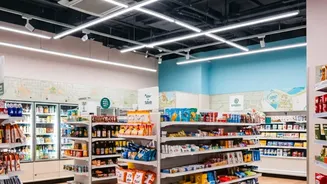
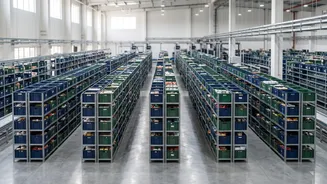
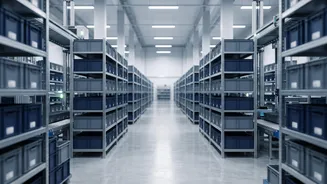
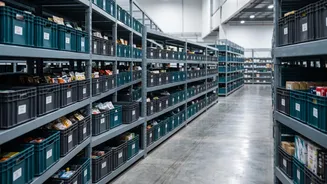
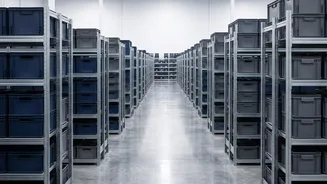
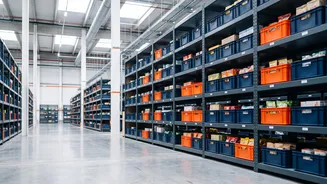
Imagine a supermarket that you can never enter. That's a dark store. These small, windowless warehouses are located in dense residential neighbourhoods and exist for a single purpose: to fulfil online orders in as little as 10 minutes. Unlike traditional
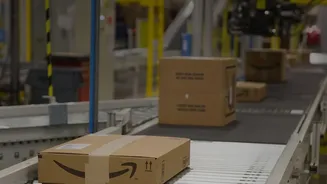
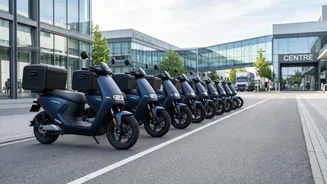
e-commerce, which ships from large warehouses on the city's outskirts, quick-commerce platforms like Zepto, Swiggy Instamart, and Blinkit use these hyperlocal hubs to stock a limited range of fast-moving products, from groceries and snacks to electronics and personal care items. This model trades a wide selection for incredible speed, making last-minute purchases not just possible, but routine for millions of urban consumers. The entire operation, from a customer tapping 'order' to a rider arriving at their door, is a high-speed logistical dance choreographed by technology.
Bengaluru: The Epicentre of the Boom
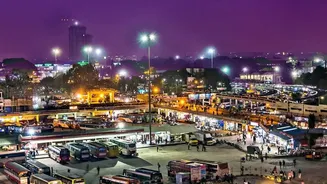
While quick-commerce is a national trend, Bengaluru has emerged as its undisputed capital. With 629 dark stores as of July 2026, the city has more of these facilities than any other in India, accounting for over 10% of the national total. This concentration is no accident. Bengaluru presents a perfect storm of factors: a massive population of tech-savvy professionals with high disposable income but little free time; legendary traffic congestion that makes a quick trip to the store a time-consuming chore; and a culture already accustomed to on-demand services thanks to the city's role as the birthplace of food delivery giants. As a result, five major platforms — Blinkit, Zepto, Swiggy Instamart, Flipkart Minutes, and BigBasket Now — are locked in an intense battle for market share, making Bengaluru the country's most competitive quick-commerce market.
The Impact on City Life
The rapid expansion of dark stores is having a tangible impact on Bengaluru's urban landscape. Real estate is one of the most affected sectors. The demand for small, ground-floor commercial spaces in residential areas has skyrocketed, with landlords reportedly earning 30-40% higher returns by leasing to quick-commerce companies instead of traditional retailers. This has driven up rental prices in high-demand localities by as much as 25%. However, the growth is not without friction. Residents in some neighbourhoods have raised complaints about the constant buzz of delivery riders, speeding, parking issues, and noise from restocking trucks, which can disrupt the peace of residential areas. The pressure on riders to complete as many deliveries as possible to maximize their incentives also raises concerns about road safety for both the riders and pedestrians.
The Economics of 10-Minute Delivery
For customers, quick-commerce offers unparalleled convenience. But for the companies, the business model is a high-stakes balancing act. The operational costs are enormous, including expenses for maintaining a large network of dark stores, employing a vast fleet of delivery partners, and investing in sophisticated technology. Profitability has been a major challenge. To make the unit economics work, companies are expanding beyond low-margin groceries into higher-value categories like electronics, apparel, and beauty products. They are also increasingly relying on advertising revenue from brands eager to get visibility on these popular platforms. While the initial promise of '10-minute delivery' has come under regulatory scrutiny for safety reasons, the underlying consumer expectation for speed and reliability remains, forcing companies to find a sustainable path to growth.