



The Rebirth of the Western Ghats
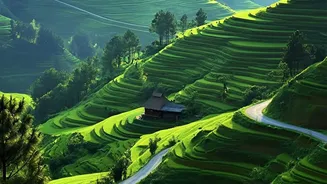
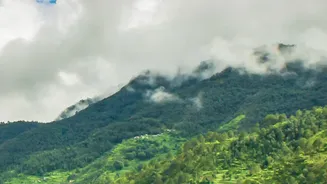
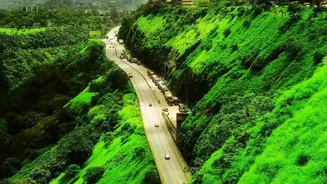
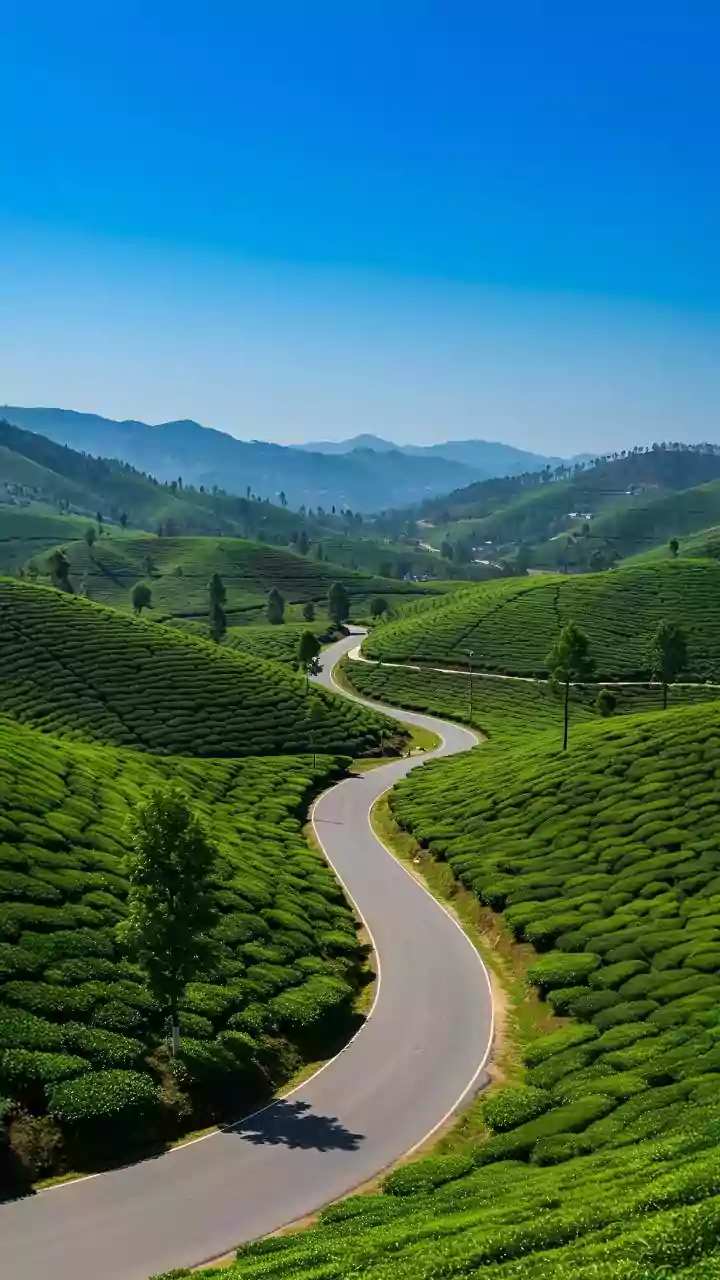
Stretching across states like Kerala, Karnataka, Goa, and Maharashtra, the Western Ghats are a UNESCO World Heritage site and a global biodiversity hotspot. Before the monsoon, the hills can appear dry and muted. But from June to September, they undergo
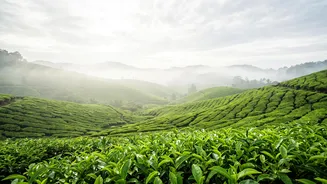
a spectacular transformation. The rain awakens everything; dormant streams roar back into existence as powerful waterfalls, and the forests become a dense, thrumming ecosystem. Destinations like Munnar in Kerala become enveloped in mist, its famous tea gardens glowing with a fresh, vibrant green. Coorg in Karnataka, known for its coffee plantations, becomes a cool, misty wonderland where the air is thick with the smell of wet earth and fresh coffee blossoms. This isn't just a visual change; it's a sensory overload of birdsong, croaking frogs, and the constant, soothing sound of rain.
Meghalaya: The Abode of Clouds
It’s no surprise that a state nicknamed 'the abode of clouds' is at its best during the monsoon. Meghalaya, home to some of the wettest places on Earth like Cherrapunji (Sohra) and Mawsynram, offers a unique monsoon experience. Here, the rain isn't an interruption; it's the main event. The monsoon feeds the region's countless waterfalls, including the breathtaking Nohkalikai Falls and the Seven Sisters Falls, which are at their most powerful during this time. The landscape is a dramatic tapestry of deep gorges, rolling green hills, and clouds that literally drift through the villages. The famous living root bridges, masterpieces of bio-engineering by the Khasi people, look even more mystical when surrounded by the lush, rain-fed jungle.
Rajasthan’s Surprising Emerald Hue
When you think of Rajasthan, you probably picture golden deserts and arid landscapes. But the monsoon completely rewrites that image, especially in the Aravalli hills. Cities like Udaipur, often called the 'City of Lakes', become incredibly romantic and verdant. The once-dry lakes like Pichola and Fateh Sagar fill to the brim, reflecting the majestic palaces and the cloudy sky. The surrounding hills shed their brown summer coat for a blanket of lush greenery. Even the aptly named Monsoon Palace (Sajjangarh Palace), perched on a hill, was built specifically to watch the monsoon clouds roll in. This season offers a chance to see a completely different, cooler, and less crowded side of Rajasthan.
The Valley of Flowers in Full Bloom
Located in the Himalayas of Uttarakhand, the Valley of Flowers National Park is a destination that owes its very existence to the monsoon. This high-altitude valley is carpeted with hundreds of species of alpine flowers, which come into full bloom from mid-July to August, coinciding perfectly with the rainy season. The monsoon rains provide the necessary moisture for this floral spectacle. Trekkers are rewarded with meadows filled with vibrant colours, set against a backdrop of snow-capped peaks and misty weather. While the trek can be challenging due to rain, the otherworldly beauty of the valley in its peak flowering state makes it an unforgettable experience for nature lovers and photographers.