




The Reality of Urban Space
In bustling metropolises like Mumbai, Bengaluru, and Delhi NCR, every square foot comes at a premium. For the millions of young professionals and students who migrate to these cities for opportunities, compact living is the norm. Co-living spaces and studio
apartments are no longer a niche market; they are a mainstream solution to the urban housing crunch. Developers in this segment face a unique challenge: how to provide a comfortable, functional, and desirable home within a very limited footprint. The answer, increasingly, lies not in building bigger rooms, but in furnishing them more intelligently.
Maximising Every Square Inch
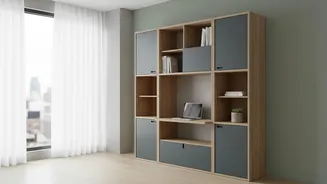
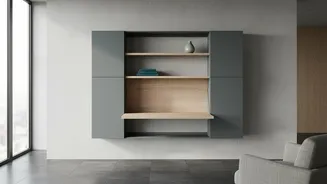
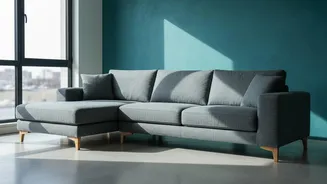
The most obvious benefit of multi-functional furniture is its incredible efficiency. Traditional, single-purpose furniture is a luxury that small apartments simply cannot afford. A bed that is only a bed, or a table that is only for dining, occupies valuable floor space 24/7. Flexible furniture, by contrast, ensures that no area is wasted. A sofa can transform into a comfortable bed for the night, a coffee table might have hidden storage compartments, and a console table can fold out into a dining surface or a work desk. This frees up floor space, making a small home feel larger, more open, and less cluttered.
Supporting the Modern Indian Lifestyle
The shift towards flexible furniture is about more than just saving space; it's about enabling the dynamic lifestyles of today's urban residents. The post-pandemic era has cemented hybrid and remote work as a long-term reality for many. A single room must now often serve as an office during the day, a lounge in the evening, and a peaceful bedroom at night. Multi-functional pieces make these transitions seamless. A wall-mounted desk can be folded away after work, instantly reclaiming the room for relaxation. A dining table that doubles as a workspace is another common, practical solution. This adaptability is crucial for residents who value work-life balance and need their homes to support both professional productivity and personal well-being.
The Financial and Practical Advantage
For both developers and tenants, this approach makes sound financial sense. By furnishing a compact unit with smart, multi-purpose pieces, a developer can offer a fully functional home at a competitive rental price. This strategy often leads to higher rental yields and occupancy rates compared to traditional unfurnished apartments. For tenants, the benefits are equally clear. They move into a ready-to-live space without the significant upfront cost and logistical hassle of buying and moving furniture. This 'asset-light' lifestyle appeals to a generation that prioritises experiences and flexibility over ownership of bulky household goods.
Aesthetics Meets Functionality
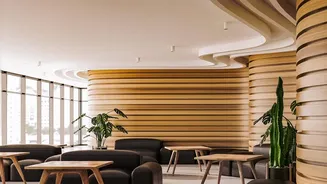
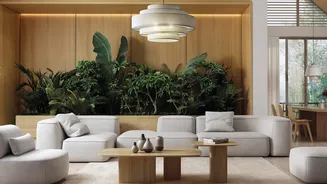
Gone are the days when space-saving furniture was clunky and unattractive. Today's designs are sleek, modern, and stylish. Developers recognize that aesthetics are a key part of the appeal for co-living spaces, which aim to create a sense of community and a premium living experience. Furniture is chosen not just for its ability to transform, but also for its contribution to the overall design. Pieces that are modular, lightweight, and visually clean help create an environment that feels organised and calming. By offering a thoughtfully designed and beautifully furnished space, developers can build a stronger brand and attract discerning tenants who are looking for more than just a place to sleep.