





Before You Start Your Engine
A safe monsoon drive begins before you even turn the key. Your car needs to be as ready for the rain as you are. First, check your tyres. Ensure they have adequate tread depth—at least 3mm is recommended—to provide a firm grip on slippery surfaces and
prevent hydroplaning. Worn-out tyres are a significant risk. Next, inspect your wiper blades, which may have cracked during the hot summer months. They should clear your windscreen without leaving smudges or lines. Also, test all your lights: headlights, taillights, and indicators. Clean lenses ensure you can see and be seen in low visibility. Finally, have your brakes checked; wet conditions can reduce their efficiency, and you'll want them in peak condition.
On the Road: Key Safety Rules
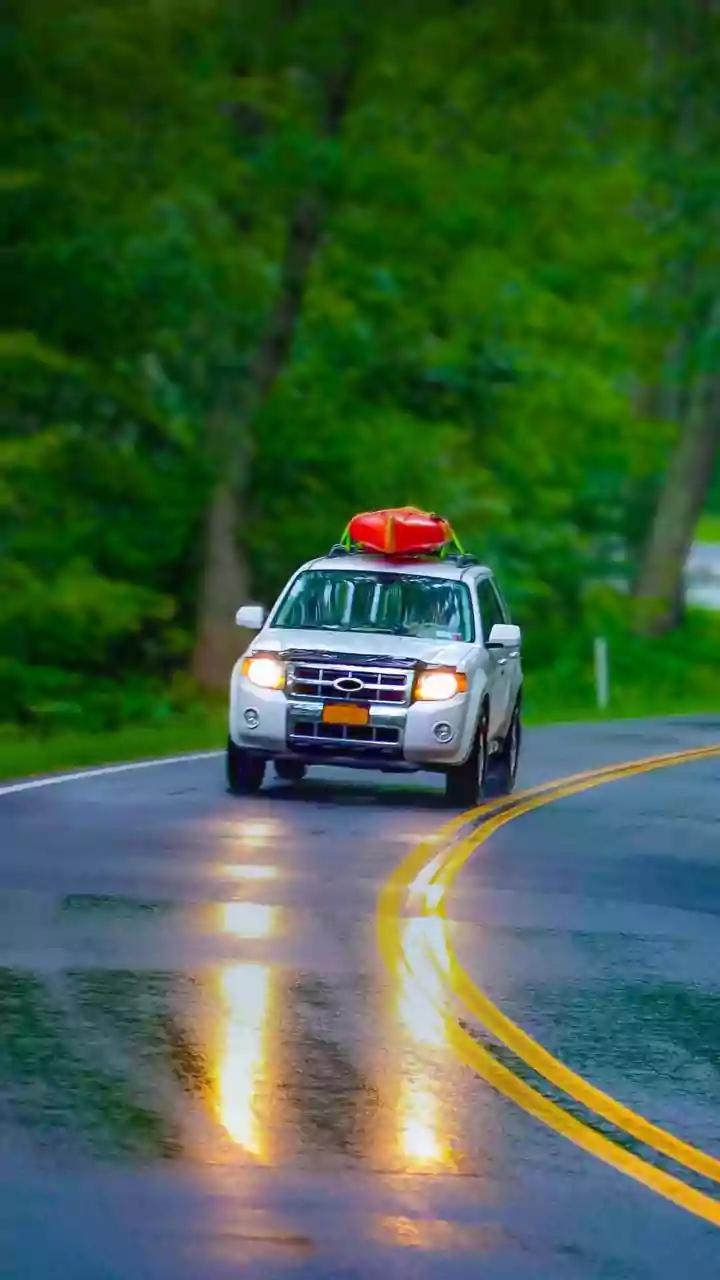
Once you're driving, adapting your technique is crucial. The most important rule is to slow down. Your braking distance increases significantly on wet roads, so reducing speed gives you more time to react. Maintain at least double your usual following distance from the vehicle in front. Using your low-beam headlights, even during the day, is essential for visibility. High beams can reflect off raindrops and impair the vision of oncoming drivers, so avoid them. Be gentle and steady with your braking and steering to avoid losing control or skidding. Also, be extra watchful for pedestrians and two-wheelers, who are more vulnerable in the rain.
The Danger of Hydroplaning
Hydroplaning is one of the biggest risks on wet highways. It occurs when a layer of water builds up between your tyres and the road surface, causing you to lose traction and control of the vehicle. It can feel like the car is gliding uncontrollably. To avoid it, ensure your tyres are properly inflated and have good tread. Driving at lower speeds, especially below 50 km/h in heavy rain, is critical as even new tyres can hydroplane at high speeds. If you feel your car starting to hydroplane, do not panic or slam on the brakes. Instead, ease your foot off the accelerator and steer straight until your tyres regain their grip on the road.
Navigating Waterlogged Streets
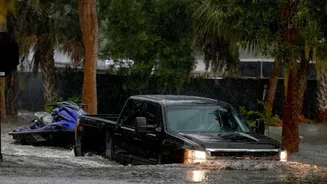
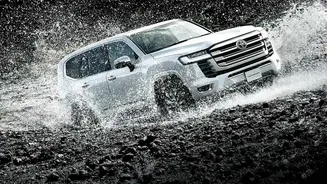
Encountering a flooded road is a common monsoon challenge in India. If possible, avoid driving through waterlogged areas altogether. If you must proceed, first try to judge the water's depth; if it looks like it could reach the bottom of your car or above the exhaust, do not attempt to cross. Roads are often built to be highest in the centre, so sticking to the middle lane can be the shallowest and safest path. Drive slowly and steadily in a low gear (like first or second), keeping the engine revs slightly high. This helps prevent water from entering your exhaust pipe. Do not stop or accelerate suddenly. Once you're through, gently tap your brakes a few times to dry them out and ensure they are working correctly.
What to Do If You Get Stuck
If your car stalls in water, do not try to restart the engine. This can cause water to be sucked into the engine, leading to severe and expensive damage known as a hydrostatic lock. If water levels are rising, your priority is personal safety. It may be best to abandon the vehicle and move to higher ground. If you are trapped inside because the electronics have failed, your adjustable headrest can be a lifesaver. Remove it and use the metal prongs to break a side window to escape. Do not try to break the front windscreen, as it is laminated and much stronger.
Keep an Emergency Kit Ready
Preparation can make all the difference in an unexpected situation. Keep a monsoon emergency kit in your car. This should include essentials like a tow rope, a powerful torch with extra batteries, a first-aid kit, and a reflective warning triangle. A fully charged phone and a power bank are also non-negotiable. Having some dry towels, an umbrella, and basic tools can also be incredibly helpful if you find yourself stranded or needing to make a minor fix in the rain.