






Why Airport-Specific Checks Are Crucial
Not all airports are created equal, especially in different countries. The rules and processes at Tokyo's Narita can differ from Haneda, just as arriving in Hanoi's Noi Bai is a different experience from Ho Chi Minh City's Tan Son Nhat. Factors like visa
processing, customs clearance, and ground transportation can vary significantly. A few minutes of research into your specific arrival airport can save you from long queues, unexpected fees, or the stress of navigating a complex terminal after a long flight. It's the difference between starting your holiday immediately or starting it with a headache.
Navigating Japan: Digital First, but Be Prepared
Japan has streamlined its entry process with the 'Visit Japan Web' service. Before you fly, you can pre-fill your immigration and customs information online to generate a QR code. This allows access to faster digital lanes at major airports like Narita (NRT) and Haneda (HND), which now feature self-service kiosks that combine immigration and customs checks into a single step. While this system is highly recommended and saves significant time, it is not mandatory; paper forms are still available. However, during peak travel times, using the digital option is a clear advantage. For Indian citizens, Japan requires a visa to be obtained before travel, as there is no visa-on-arrival facility. You can apply through traditional routes or, in some cases, use an online eVisa system.
Choosing Your Tokyo Gateway: Haneda vs. Narita
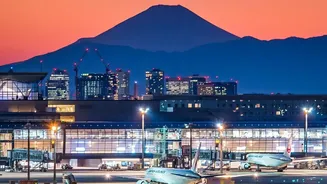
Your choice of airport in Tokyo can significantly impact your arrival experience. Haneda (HND) is much closer to central Tokyo, making for quicker and cheaper transfers to popular districts like Shibuya and Shinjuku. For most first-time visitors, Haneda is the more convenient option, especially if arriving late at night. Narita (NRT), located further outside the city, serves a vast number of international flights and can sometimes offer cheaper fares. If you book a flight into Narita, it's wise to plan your transfer into the city in advance, whether it's via the Narita Express train, a limousine bus, or the Keisei Skyliner, especially if your accommodation is in eastern Tokyo areas like Ueno.
Arriving in Vietnam: E-Visa is Key
For travelers from India, a visa is required to enter Vietnam. The most straightforward and recommended method is the 90-day e-visa, which you must apply for online through the official government portal before your trip. The process involves uploading your passport details and photo, paying a fee, and receiving the e-visa by email. It is crucial to print a copy of your e-visa approval letter and carry it with you. While a 'visa on arrival' (VOA) option exists, it is not as simple as it sounds. It requires a pre-obtained 'approval letter' from an agency, and you still need to queue at the airport to get the visa stamp, which can be time-consuming. For most tourists, the e-visa is the faster and more reliable choice.
Vietnam's Airports: Hanoi vs. Ho Chi Minh City
Vietnam's two main international gateways offer different experiences. Noi Bai Airport (HAN) in Hanoi, the capital in the north, is often described as less chaotic than its southern counterpart. It is the entry point for destinations like Ha Long Bay and Sapa, though the transfer to the city center can take 45-60 minutes. Tan Son Nhat Airport (SGN) in Ho Chi Minh City is the busiest airport in Vietnam, serving the energetic southern metropolis. While it offers more flight options, it is known for being crowded. At either airport, security procedures are strict. Upon arrival, having the Grab app on your phone is highly recommended for booking safe, fixed-price transport to your hotel. Also, be prepared for potentially long immigration queues, especially during peak tourist seasons.