


The Allure of Whole Cardamom
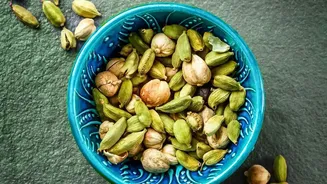
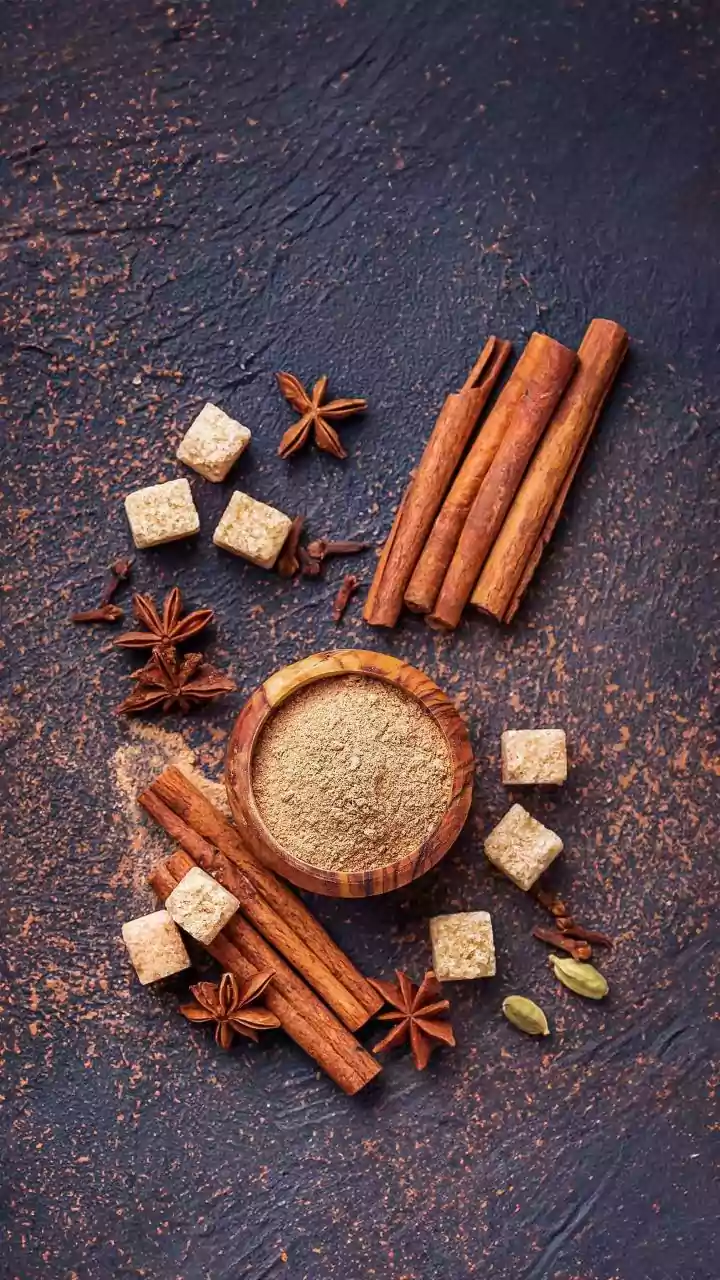
Often called the 'queen of spices', green cardamom (choti elaichi) is celebrated for its complex aroma: it's floral, minty, citrusy, and warm all at once. While ground cardamom is potent, it loses its aromatic oils quickly. Using whole pods in dishes
like pilaf allows the flavour to infuse slowly and deeply into every grain of rice. The pods are harvested by hand just before they mature, which helps preserve the precious, flavour-packed seeds inside. Lightly crushing the pods before adding them to the pan helps release their essential oils, ensuring a fragrant, not overpowering, result.
What Exactly Is a Pilaf?
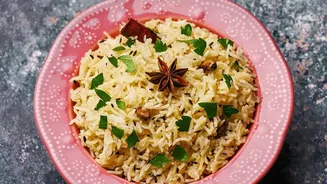
Pilaf, known in India as pulao, is a wonderfully versatile rice dish with roots in ancient Persia. Unlike plain boiled rice, the pilaf method involves toasting the uncooked rice grains in fat (like ghee or oil) with aromatics such as onions and whole spices. This simple step coats each grain, keeping them separate and fluffy after cooking. Then, instead of plain water, the rice is simmered in a flavourful broth or stock, absorbing all the savoury goodness as it cooks. The result is a dish that's a complete experience in itself.
Green vs. Black Cardamom
It's a common point of confusion, but green and black cardamom are not interchangeable. They are two entirely different spices. Green cardamom is sweet, floral, and versatile enough for both sweets and savoury dishes like this pilaf. Black cardamom (badi elaichi) is larger, darker, and has a strong, smoky flavour from being dried over a fire. It's used exclusively in robust, savoury dishes like dals and rich meat curries. For the delicate fragrance needed in a classic rice pilaf, always reach for green cardamom.
Cardamom Rice Pilaf (Elaichi Pulao)
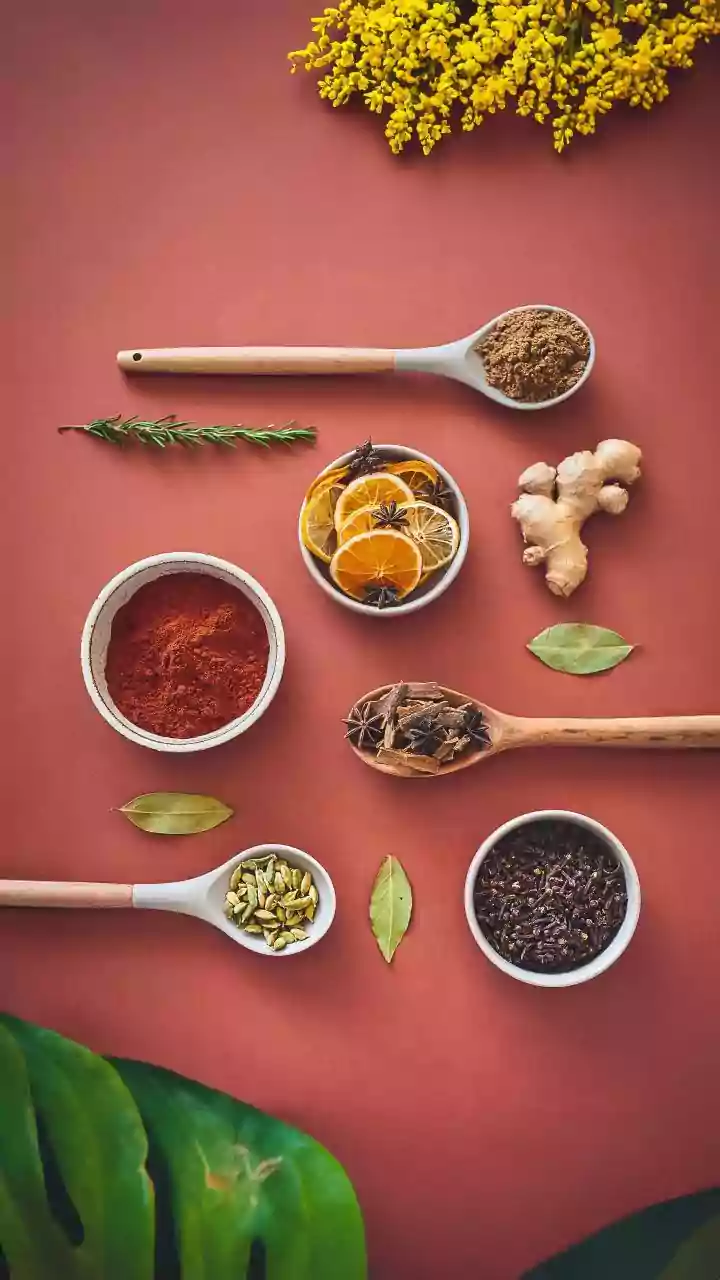
This recipe is a simple, flavourful foundation. Feel free to add a handful of green peas or toasted cashews for more texture. Ingredients: - 1 cup long-grain basmati rice - 2 tablespoons ghee or neutral oil - 1 small onion, thinly sliced - 6-7 whole green cardamom pods, lightly crushed - 1 small cinnamon stick - 3-4 whole cloves - 1 bay leaf - 2 cups vegetable or chicken broth (or water) - Salt to taste Instructions: 1. Rinse the basmati rice in cool water until the water runs clear, then soak it for 20-30 minutes. Drain thoroughly. 2. Heat the ghee or oil in a medium saucepan with a tight-fitting lid over medium heat. Add the sliced onion and sauté until it turns soft and translucent. 3. Add the whole spices: the crushed cardamom pods, cinnamon stick, cloves, and bay leaf. Stir for about 30 seconds until they become fragrant. 4. Add the drained rice to the pot. Gently sauté for 1-2 minutes, toasting the grains until they are well-coated and look glossy. 5. Pour in the broth or water, add salt, and bring the mixture to a boil. 6. Once boiling, give it one final stir, then reduce the heat to the lowest setting. Cover the pot with a tight-fitting lid and let it simmer for 15-18 minutes, or until all the liquid has been absorbed. 7. Turn off the heat and let the pilaf rest, still covered, for at least 10 minutes. This step is crucial for fluffy rice. 8. Before serving, gently fluff the rice with a fork to separate the grains.
Tips for Perfect, Fluffy Pilaf
The key to a great pilaf is fluffy, distinct grains, not a sticky mass. Soaking the rice first helps it cook more evenly. Using a long-grain variety like basmati is ideal because the grains hold their shape well. The ratio of liquid to rice is also important; a 2:1 ratio of broth to rice is a reliable starting point. Finally, resist the temptation to lift the lid while the rice is simmering. Let the steam do its work undisturbed. Once cooked, letting it rest off the heat allows the moisture to redistribute, ensuring a perfectly finished texture every time.