






Understanding the Enemy: Humidity and Microbes
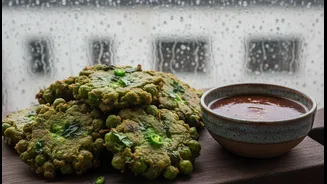
High humidity provides the moisture that bacteria, yeasts, and molds need to thrive. When combined with the warm temperatures common during India's monsoon and summer seasons, it creates a 'danger zone' for cooked food. This zone, typically between 4°C
and 60°C, is where bacteria can double in number in as little as 20 minutes, rapidly breaking down food and making it unsafe to eat. The excess moisture in the air can settle on food surfaces, kickstarting this spoilage process.
The Two-Hour Rule: Your First Line of Defence
One of the most critical food safety rules is to never leave perishable food out at room temperature for more than two hours. During peak humid months, when ambient temperatures can soar above 32°C (90°F), this window shrinks to just one hour. This includes all cooked food, from curries and dals to rice and cooked vegetables. Adhering to this rule is your primary defence against the rapid multiplication of harmful bacteria that can cause foodborne illnesses. Set a timer if you need to as a reminder to store leftovers promptly.
Cool It Down, and Fast
Putting a large, hot pot of food directly into the refrigerator is a common mistake. It can raise the internal temperature of the fridge, putting other stored items at risk, and it won't cool the food fast enough to prevent bacterial growth. The goal is to cool the food quickly before refrigerating. You can do this by dividing large batches into smaller, shallow containers. You can also give your container an 'ice bath' by placing it in a larger bowl of ice and water and stirring the food to help it cool evenly.
Smart Storage is Key
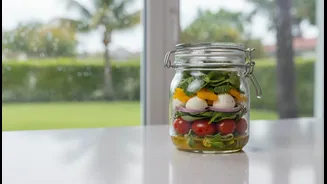
Once your food has cooled, proper storage is crucial. Use airtight containers to protect food from both moisture in the air and cross-contamination inside the fridge. Glass or stainless steel containers are often better than plastic as they are less porous and transfer heat more effectively. Ensure your refrigerator is set to 4°C (40°F) or below. Avoid over-packing the fridge, as this restricts air circulation and can create warm spots where bacteria can grow. Keeping raw meats and vegetables separate from cooked foods is also a vital step to prevent cross-contamination.
Reheat Thoroughly Before Serving
When you're ready to eat your leftovers, reheating them properly is just as important as storing them correctly. Proper reheating kills any bacteria that might have developed during storage. Food should be reheated thoroughly to an internal temperature of 74°C (165°F). Bring soups, sauces, and gravies to a rolling boil. When using a microwave, cover the food and stir it during heating to ensure it cooks evenly and gets steaming hot throughout. Simply warming the food is not enough; it must be heated properly to be safe.
Know When to Let Go: Spotting Spoilage
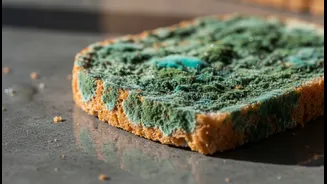
Even with the best precautions, spoilage can happen. Trust your senses. An off-smell, a change in colour, or a slimy texture are all clear signs that food has gone bad. You might also see visible mold growth, which can appear as fuzzy patches of green, white, or black. While some spoiled food is simply unappetizing, other types can be toxic and lead to serious illness. The golden rule of food safety is simple: when in doubt, throw it out. It's never worth risking your health.