



More Than Just Street Food: Roasted Corn
The smoky aroma of bhutta, or roasted corn on the cob, is synonymous with the Indian monsoon. While it has always been a beloved street-side snack, its nutritional profile is now getting the wellness recognition it deserves. Corn is a fantastic source
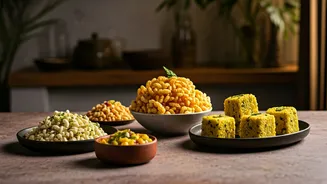
of dietary fibre, which is crucial for maintaining good gut health, especially during a season when digestion can become sluggish. It’s also packed with antioxidants like lutein and zeaxanthin, which are beneficial for eye health. Modern wellness enthusiasts are moving beyond just slathering it with lemon and masala; they’re incorporating corn into vibrant salads, hearty soups, and even as a base for gluten-free meals. This shift celebrates bhutta not just as a nostalgic treat but as a functional food that nourishes the body.
The Purple Powerhouse: Jamun
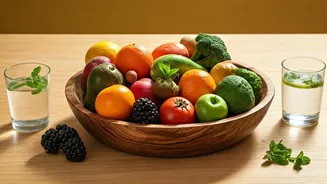
This deep purple fruit, also known as the black plum, has a short but glorious season that coincides perfectly with the monsoon. Traditionally, Ayurveda has heralded jamun for its properties that help manage blood sugar levels, making it a valuable fruit for those with metabolic concerns. But its benefits don't stop there. Jamun is loaded with Vitamin C and iron, a potent combination that helps boost immunity and improve haemoglobin levels. During the monsoon, when the risk of infections is high, a strong immune system is your best defence. Today, you’ll find jamun moving from the fruit bowl into wellness-focused recipes like detox smoothies, chia seed puddings, and refreshing infused waters, offering a delicious way to harness its ancient power.
The Gut-Soothing Gourds
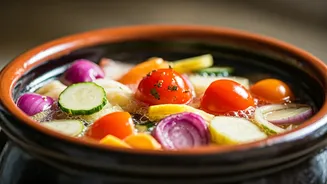
The monsoon brings an abundance of gourds like lauki (bottle gourd), karela (bitter gourd), and tori (ridge gourd). These vegetables have long been dietary staples during this season for a very good reason: they are incredibly easy to digest and light on the stomach. According to traditional Indian medicine, the dampness of the monsoon can weaken the 'digestive fire' (agni). Gourds, with their high water content and fibre, help counteract this. They are hydrating, low in calories, and help cleanse the digestive tract. While they might not have the glamour of exotic superfoods, their return to wellness plates signifies a deeper understanding of eating according to the seasons. Chefs and home cooks are now preparing them in gently spiced soups, juices, and stir-fries that retain their subtle flavours and potent benefits.
Golden Immunity: Turmeric and Ginger
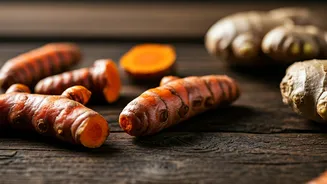
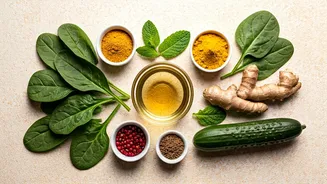
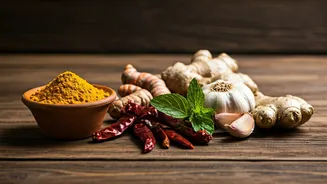
There’s a reason your grandmother insisted on a glass of 'haldi doodh' (turmeric milk) when you had a sniffle. Turmeric, with its active compound curcumin, is a powerful anti-inflammatory and antiseptic agent. Paired with ginger, another monsoon essential known for its anti-viral and anti-bacterial properties, it forms an unbeatable immunity-boosting duo. This combination is the foundation of traditional 'kadhas' (herbal decoctions) used to ward off colds, coughs, and sore throats that are common during the rainy season. The global wellness movement has fully embraced this wisdom. Turmeric lattes are now cafe staples, and ginger-turmeric 'wellness shots' are a popular way to get a concentrated dose of their protective properties. Adding these spices generously to your daily meals is a simple, effective way to stay healthy.
Embracing Probiotic Goodness: Fermented Foods
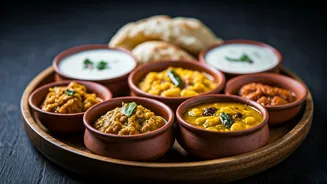
The focus on gut health in modern wellness has brought fermented foods back into the spotlight, and this wisdom has deep roots in Indian culinary traditions. The monsoon is a time when the gut microbiome can be particularly vulnerable. Including naturally fermented foods like homemade curd (dahi), idli, and dosa can be incredibly beneficial. These foods are rich in probiotics, the 'good' bacteria that support a healthy digestive system, enhance nutrient absorption, and bolster immunity. While these have always been part of regional diets, their role is now being consciously highlighted on wellness menus. Instead of just being a meal component, they are being celebrated as functional foods that actively contribute to gut resilience during a challenging season.