





A Comforting Classic Explained
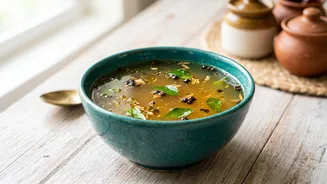
Pepper rasam is a thin, aromatic soup-like preparation that holds a cherished place in South Indian cuisine. Its name, 'milagu rasam' in Tamil, literally translates to 'pepper juice', pointing to its hero ingredient. Unlike thicker lentil-based dals,
rasam is a light, watery broth built on a base of tamarind extract, often with tomatoes, and seasoned with a freshly ground spice mix. While it's a staple side dish served with hot rice and a dollop of ghee, it's just as commonly sipped on its own from a cup, especially when someone is feeling under the weather. This dual-purpose nature makes it both a meal component and a standalone comfort drink, treasured for its simplicity and potent flavours.
The Go-To Dish for Colds and Coughs
Across countless households, pepper rasam is the default dish at the first sign of a sniffle, cough, or fever. It's considered a time-honoured home remedy, relied upon to provide soothing relief. The warming properties of its key spices are traditionally believed to help ease congestion and soothe sore throats. While it is not a medicine, the experience of sipping the hot, spicy, and sour liquid provides immense comfort. Ayurvedic tradition often recommends light, warm, and clear foods like broths during illness, as they are easy to digest, and pepper rasam fits this description perfectly. The steam from the hot rasam can feel soothing on a blocked nose, while the gentle heat from the pepper provides a comforting sensation for an irritated throat.
A Symphony of Spice and Sour
The magic of pepper rasam lies in its masterful balance of two dominant flavour profiles: the sharp heat of spice and the tangy punch of sourness. The foundation of this dish is tamarind water, which provides a distinctive sour base that awakens the palate. This is layered with the pungent heat of freshly ground black peppercorns, the undisputed star of the show. The pepper isn’t just for taste; its active compound, piperine, is a natural expectorant that has been traditionally used to help clear the respiratory tract. This duo is supported by other aromatic spices, most commonly cumin and garlic, which are pounded together to create the flavourful masala. Cumin adds an earthy depth, while garlic, known for its antiviral and antibacterial properties, contributes its own pungent kick. Finally, a tempering of ghee, mustard seeds, and curry leaves adds a rich, fragrant finish.
The Key Ingredients and Their Roles
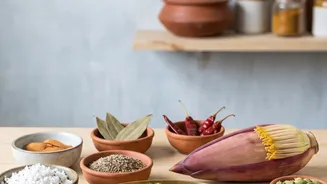
Every ingredient in pepper rasam serves a purpose. Black pepper, the hero spice, delivers the signature heat. For the best flavour, whole peppercorns are freshly and coarsely crushed just before cooking, releasing their essential oils and potent aroma. Tamarind, a tropical fruit, provides the sourness. It's rich in antioxidants and has been used in traditional medicine for its anti-inflammatory properties. Garlic and cumin seeds are pepper's primary partners, creating a complex and aromatic spice base. Other ingredients like turmeric powder, known for its anti-inflammatory compound curcumin, and asafoetida (hing), which aids digestion, are also common additions. Some variations include tomatoes for a milder tang and a touch of sweetness. The final flourish, a tempering known as 'tadka' in sizzling ghee, brings all the flavours together.
How to Enjoy Pepper Rasam
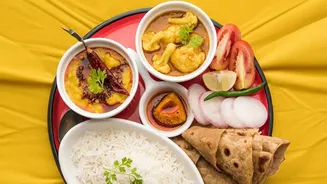
There is no single right way to enjoy pepper rasam. Its versatility is part of its charm. The most classic way is to serve it with plain, hot steamed rice. A small amount of rasam is poured over the rice, mixed, and eaten. It acts as a flavourful, soupy gravy that moistens the rice and makes it easy to eat, which is especially helpful when a sore throat makes swallowing difficult. Another popular method is to drink it warm from a small bowl or steel tumbler, much like a soup. In this form, it's a direct, potent shot of warmth and spice, often consumed at the beginning or end of a meal, or by itself between meals. When you’re feeling congested, sipping it slowly allows the steam and spices to work their comforting magic.