


The Brains Behind the Magic
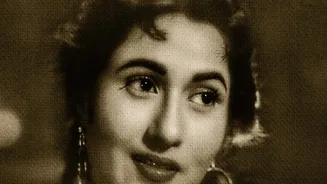
At the core of AI photo restoration are complex algorithms called neural networks. Think of them as digital brains that have been trained on millions of pairs of damaged and restored photos. By studying these examples, the AI learns to identify patterns
of damage, such as scratches, fading, and discoloration. It’s not just applying a simple filter; it’s using a deep understanding of what photos should look like to intelligently reconstruct them. This process, once the domain of highly skilled professionals spending hours on a single image, can now be accomplished in seconds.
Reviving Faded and Lost Color
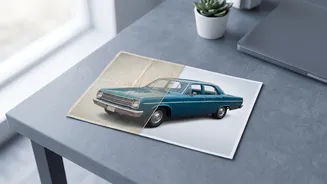
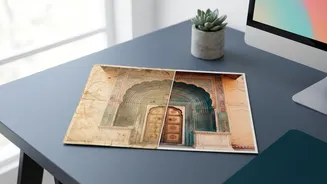
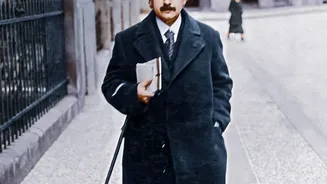
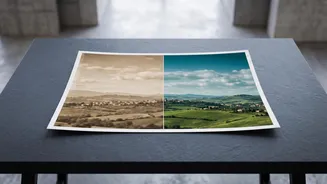
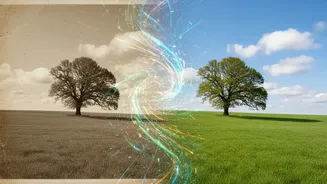
One of the most dramatic feats of AI is colorization. For black-and-white or sepia-toned photos, the AI doesn’t just guess colors randomly. It analyzes the shades of grey and the context of the image—recognizing that a sky is likely blue and grass is green—to apply realistic and historically plausible colors. For color photos that have faded over time, the AI works to restore the original saturation and correct color casts. It identifies areas where colors have lost their vibrancy and enhances them, bringing the image back to what it might have looked like when first developed.
Seamlessly Mending Cracks and Tears
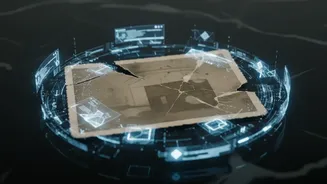
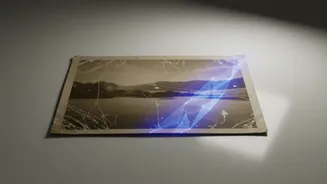
Physical damage like cracks, tears, and dust spots can obscure important details. AI tackles this with a technique often called 'inpainting'. The algorithm analyzes the pixels surrounding the damaged area to intelligently fill in the gap. It reconstructs missing information by generating new pixels that seamlessly match the texture, lighting, and patterns of the original image. This allows the AI to effectively erase scratches and even rebuild small missing sections of a photograph without leaving obvious signs of digital manipulation.
Tools of the Trade
This powerful technology is no longer confined to research labs. It's now accessible through a variety of user-friendly tools. Adobe Photoshop has integrated a 'Photo Restoration' feature into its Neural Filters, which uses AI to automate much of the repair process. Other specialized software, like Topaz Photo AI and VanceAI, offer suites of tools specifically designed for denoising, sharpening, and restoring old images. There are also numerous web-based platforms and mobile apps that allow users to upload a scanned photo and receive a restored version moments later, making the technology available to everyone regardless of their technical skill.
Knowing the Limitations
While impressive, AI photo restoration is not perfect. The technology is making statistical predictions, and sometimes it can get things wrong. An AI might introduce an unnatural color, misinterpret a facial feature, or struggle with severely damaged areas where there isn't enough information to reconstruct the image accurately. In some cases, especially for irreplaceable photos that require historical accuracy, the trained eye of a professional human retoucher is still unbeatable. However, for the vast majority of family photos, AI provides an incredible and accessible starting point for preserving cherished memories.