


The Allure of the Autumn Window
For trekkers and mountain lovers, the period from October to November is often considered the 'gold standard' for Himalayan adventures. After months of heavy rainfall that obscure peaks and feed landslides, the monsoon's withdrawal acts like a curtain
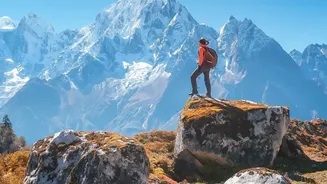
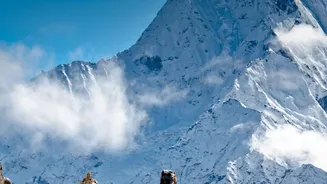
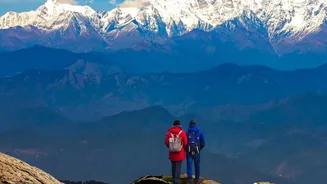
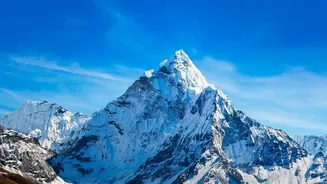
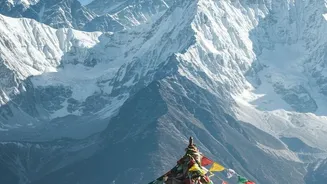
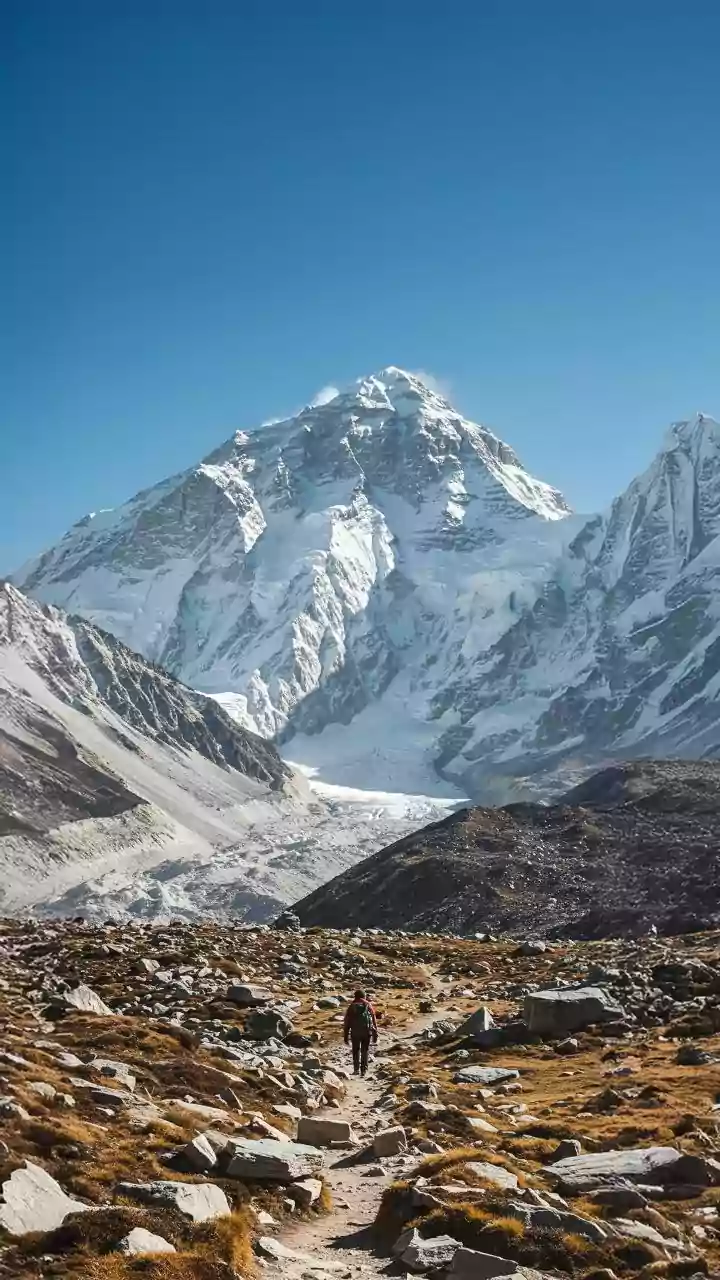
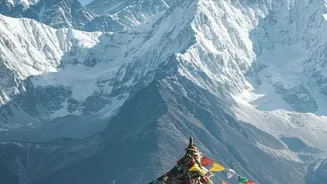
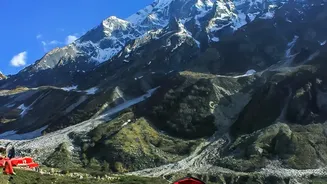
rising on a grand stage. The dust and haze that often dull the views during spring and summer are washed away, leaving the atmosphere exceptionally clean and clear. This results in sharp, magnificent views of the snow-capped giants like Nanda Devi and the Annapurna massif against brilliant blue skies. The landscape itself is transformed; alpine meadows, lush and waterlogged from the rains, dry out into golden carpets, and the trails become more stable and accessible. This combination of comfortable daytime temperatures, dry paths, and unparalleled visibility makes it the most popular and photographically perfect time of year for trekking.
The Science Behind the Scenery
The stunning clarity of the post-monsoon season is a direct result of large-scale weather patterns. The Indian Summer Monsoon is driven by a temperature difference between the hot Indian subcontinent and the cooler Indian Ocean. This creates a low-pressure system that pulls in moisture-laden winds from the sea. The massive Himalayan range acts as a barrier, forcing these winds to rise, cool, and release their moisture as heavy rain on the southern slopes. When the monsoon withdraws, typically from mid-September onwards, this entire system reverses. A stable, high-pressure system establishes itself over the region. This leads to predominantly dry, clear, and settled weather conditions that can last for weeks, offering the reliability that trekkers seek.
The Hidden Dangers in the Clear Air
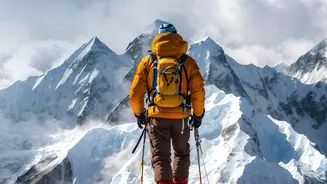
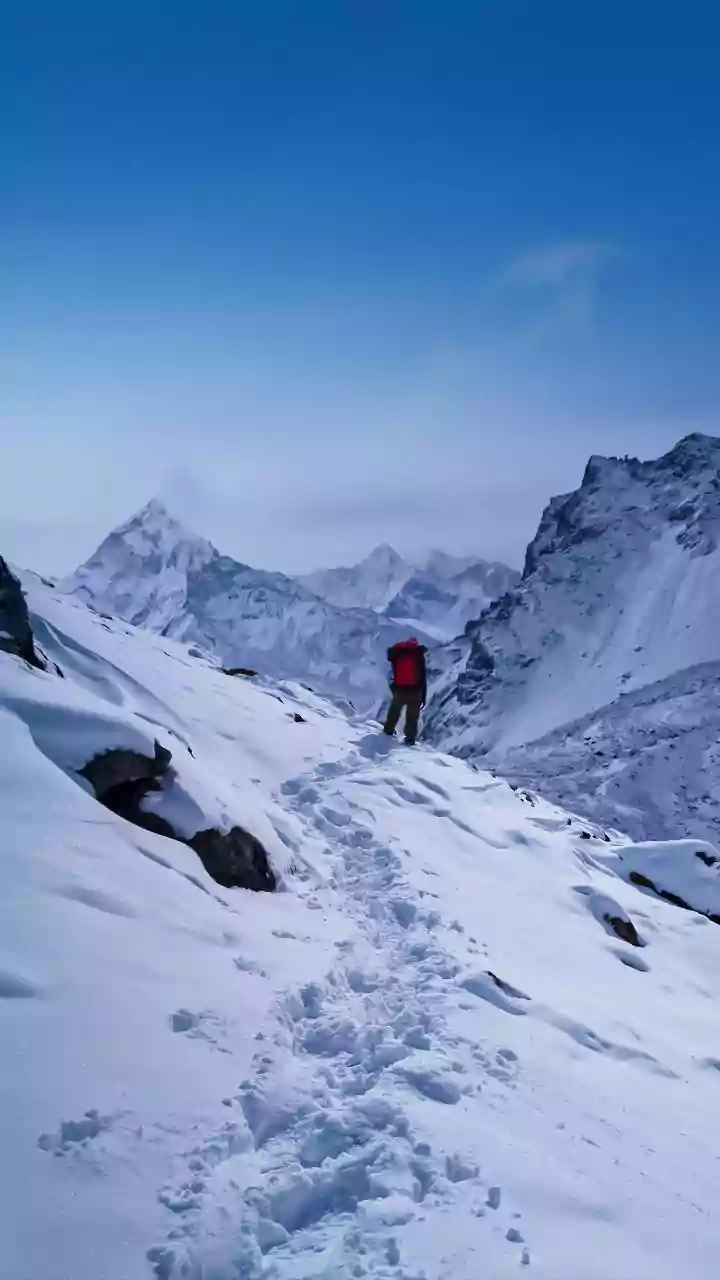
Despite the appearance of perfect stability, the autumn season is not without significant risks. The Himalayan weather is notoriously unpredictable, and trekkers can be caught off guard. One of the primary threats comes from 'Western Disturbances'. These are extratropical storms that originate over the Mediterranean Sea and travel eastward. While more common in winter, they can bring sudden and heavy precipitation—rain in lower areas and thick snow at higher altitudes—even in October and November. These storms can block high passes like Thorong La with little warning, trapping trekkers. Another significant danger is the rapid drop in temperature. While days can be pleasant, nights at altitude frequently fall below freezing. Getting wet from an unexpected shower or river crossing, combined with wind, can lead to hypothermia even in temperatures well above freezing. Furthermore, altitude sickness remains a serious threat, as trekkers ascend quickly to take advantage of the short season.
An Increasingly Unpredictable Calendar
Climate change is making the traditional trekking calendar less reliable. In recent years, the monsoon's withdrawal has become more erratic, sometimes extending well into October. This can lead to lingering cloudy conditions, slippery trails, and an increased risk of landslides and floods early in the trekking season. Trekkers arriving in early October expecting pristine conditions might instead face the tail end of the monsoon. This variability means that the 'safe' window is not as fixed as it once was. Relying on the calendar alone is no longer enough; careful attention to current weather patterns and forecasts is crucial.
How to Trek Safely in Autumn
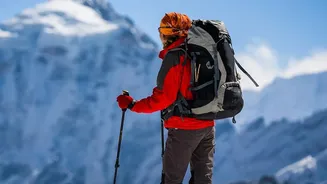
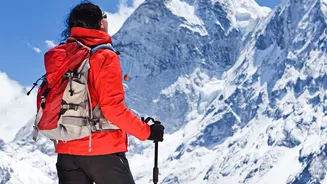
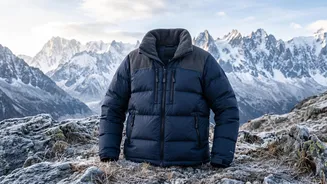
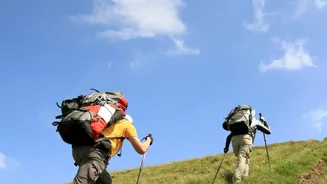
Preparation is the key to mitigating the risks of autumn trekking. Always trek with an experienced guide or a reputable company that understands local conditions. Never underestimate the cold; pack warm layers, a down jacket, and a proper sleeping bag rated for sub-zero temperatures. Waterproof outer gear is essential, as is a flexible itinerary that allows for extra acclimatisation days or waiting out a sudden storm. Before setting out, and even during the trek, monitor weather forecasts closely for any sign of approaching Western Disturbances or other weather systems. Finally, be educated on the symptoms of Acute Mountain Sickness (AMS) and prioritise gradual ascent to allow your body to adjust to the reduced oxygen at high altitudes.