






1. The Pre-Drive Vehicle Health Check
Before your tyres even touch the tarmac, a thorough vehicle inspection is non-negotiable. Start with the tyres themselves. Check the tread depth; anything less than 2-3 mm is risky, as it significantly increases the chances of aquaplaning. Ensure all
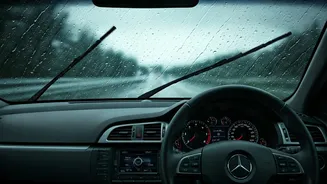
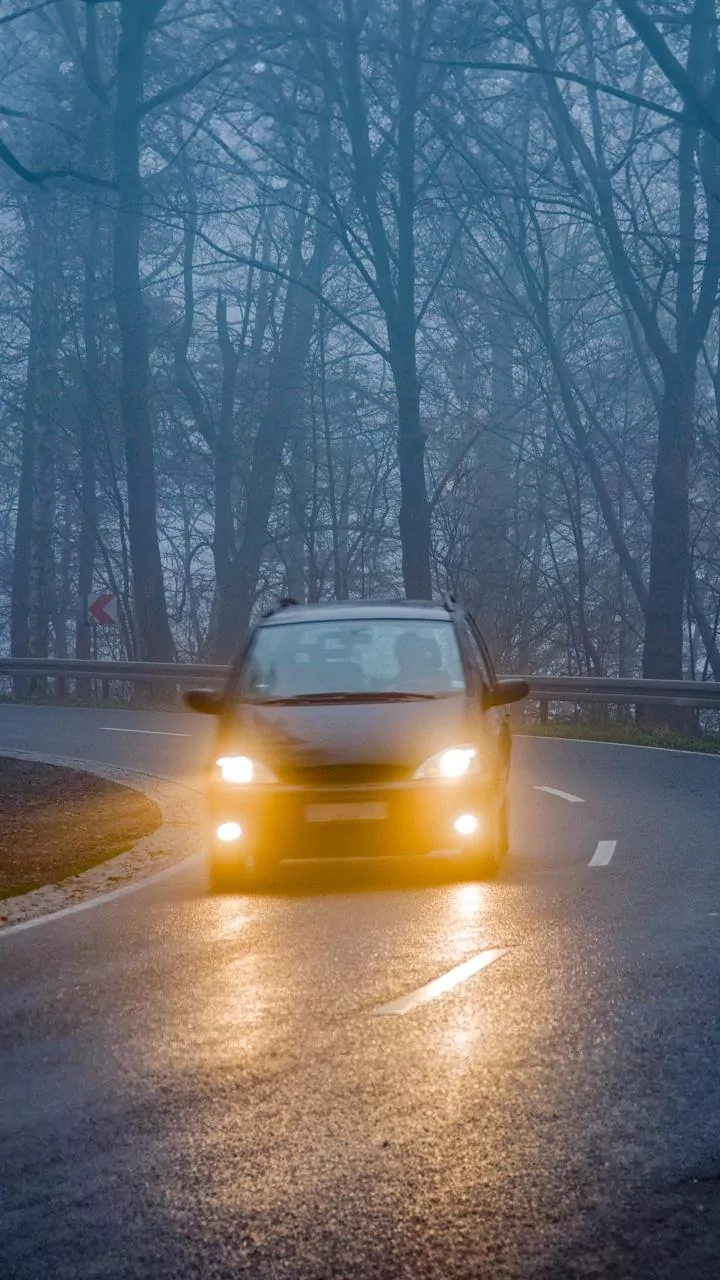
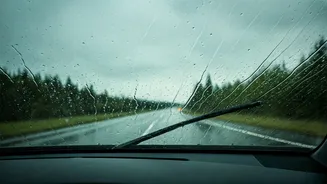
five tyres, including the spare, are inflated to the manufacturer's recommended pressure. Next, inspect your windscreen wipers. Old, cracked blades won't clear water effectively, they'll just smear it. If they leave streaks, replace them. It’s a small cost for a massive improvement in visibility. Equally important are your lights. Have someone help you check that all your lights—headlights (both high and low beam), tail lights, brake lights, and indicators—are functioning perfectly. In heavy rain, being seen is just as crucial as seeing. Finally, get your brakes and battery checked. Wet conditions can affect braking efficiency, so ensure your brake pads have enough life and the system is responsive. A weak battery is more likely to fail in damp weather, leaving you stranded.
2. Master Your On-Road Technique
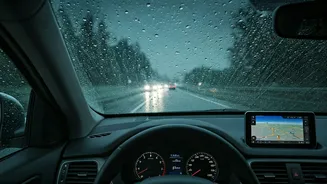
Once you're on the move, adapt your driving style for the conditions. The golden rule is to slow down. Your car needs more distance to stop on wet roads, and reducing your speed gives you more time to react. A good rule of thumb is to increase your following distance. While the 'three-second rule' is standard, make it a five or six-second gap in heavy rain. This gives you a crucial buffer if the car ahead brakes suddenly. Be extremely wary of the first rain after a dry spell. This is when roads are most treacherous, as rainwater mixes with oil and grime to create a dangerously slick surface. Watch out for standing water. Large puddles can conceal deep potholes that can damage your tyres or suspension. If a puddle looks deep, it’s best to find another route or wait for it to recede.
3. The Art of Navigating Waterlogged Streets
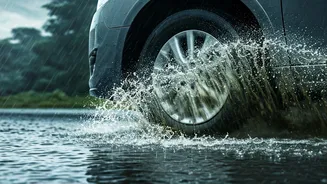
In many Indian cities and highways, waterlogging is an inevitable monsoon reality. Approaching a flooded stretch requires caution and judgement. First, try to gauge the depth. If the water is higher than the bottom of your car's doors, do not attempt to drive through. Water seeping into the cabin is the least of your worries; if it gets into your engine's air intake, it can cause catastrophic and expensive damage. If you decide it's safe to proceed, engage a low gear (first or second) and maintain a steady, slightly higher-than-idle RPM. Do not splash through; drive slowly and consistently. This creates a bow wave in front of your car, helping to keep water away from the engine bay. Avoid stopping in the middle. Once you're through, gently tap your brakes a few times to dry them out and ensure they are working correctly.
4. What to Do When You Hydroplane
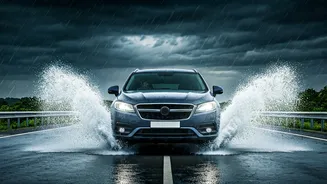
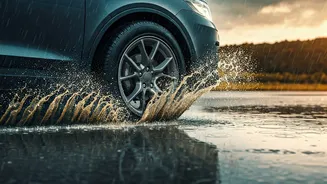
Hydroplaning, or aquaplaning, is one of the most frightening experiences a driver can have. It occurs when a layer of water builds up between your tyres and the road surface, causing you to lose traction and control. The steering may suddenly feel light, and the car might start to drift. The key is not to panic. Do not slam on the brakes or make any sudden turns, as this will almost certainly send you into a spin. Instead, ease your foot off the accelerator smoothly. Keep the steering wheel pointed in the direction you want to go. As the car slows down, the tyres should regain contact with the road, and you will feel traction return. The best way to handle hydroplaning is to prevent it by having good tyres, driving slowly, and avoiding standing water.
5. Pack Your In-Car Survival Kit
Even with the best preparation, things can go wrong. A well-stocked emergency kit can be a lifesaver if you get stranded. Your kit should include a powerful torch with extra batteries, a comprehensive first-aid kit, and high-visibility reflective triangles to warn other drivers. Pack a sturdy rope, which can be useful for towing. It's also wise to have a multi-tool, duct tape, and jumper cables. For personal comfort, keep a blanket, some dry snacks like energy bars or biscuits, and several bottles of water. Most importantly, ensure you have a fully charged power bank for your mobile phone. Your phone is your lifeline for navigation and calling for help. Keep digital and physical copies of your car's documents and your emergency contacts in a waterproof bag.