



What the Landmark Study Found
While there are many studies on blood pressure, a large body of recent research, including major analyses like the DASH (Dietary Approaches to Stop Hypertension) trial, points to a clear conclusion: reducing sodium intake while increasing potassium intake is
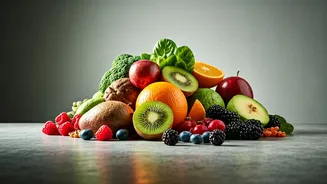
one of the most effective dietary changes to lower high blood pressure. One recent large-scale trial showed that simply switching to a potassium-enriched low-sodium salt substitute led to significant reductions in stroke, major cardiovascular events, and mortality. The key takeaway isn't just about using less salt, but about the crucial balance between sodium and potassium, a mineral abundant in fruits and vegetables. Many modern diets, including those in India, are dangerously low in potassium while being overloaded with sodium.
The Indian Diet's Salt Problem
Hypertension is a massive and growing crisis in India, with estimates suggesting over 220 million people are affected. Recent surveys indicate that approximately one in three Indian adults has hypertension. A primary driver is our salt consumption. The average Indian consumes around 11 grams of salt per day, more than double the World Health Organization's recommended limit of 5 grams. This isn't just about the salt we add during cooking, which accounts for less than a third of our intake. The real culprits are often hidden in plain sight. Processed and restaurant foods contribute a huge proportion of our daily sodium. Even seemingly harmless staples are loaded with it.
Hidden Sodium in Your Kitchen
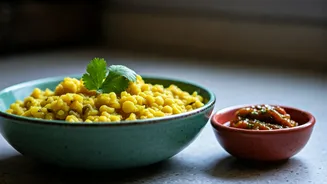
The salt you add while cooking is only part of the story. The biggest sources of sodium are often foods we don't think of as 'salty'. A single tablespoon of mango pickle can have over 350 mg of sodium. One roasted papad can contain nearly 400 mg. Breads, biscuits, and breakfast cereals all contain significant hidden sodium. But the worst offenders are often instant noodles, which can pack over 1,500 mg of sodium in a single packet, and beloved street foods like pav bhaji and chaat, where the combination of masalas, chutneys, and breads pushes sodium levels to extremes.
Reimagining the Indian Plate for Heart Health
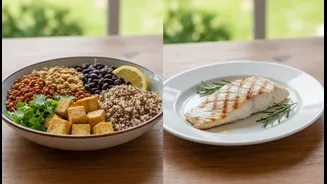
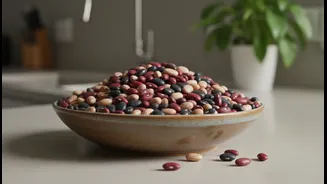
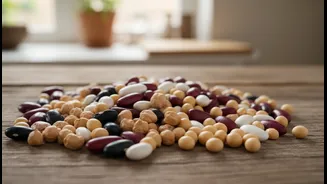
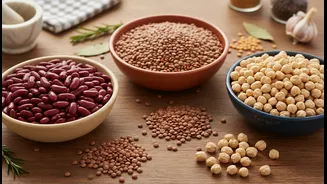
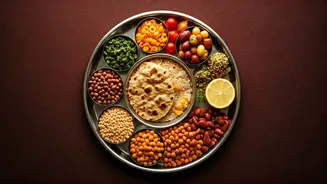
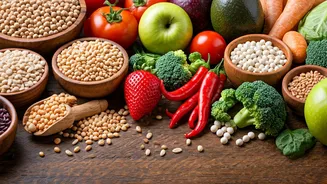
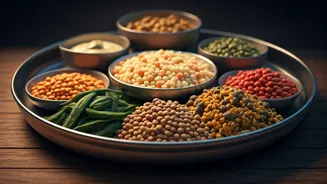
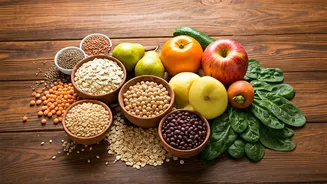
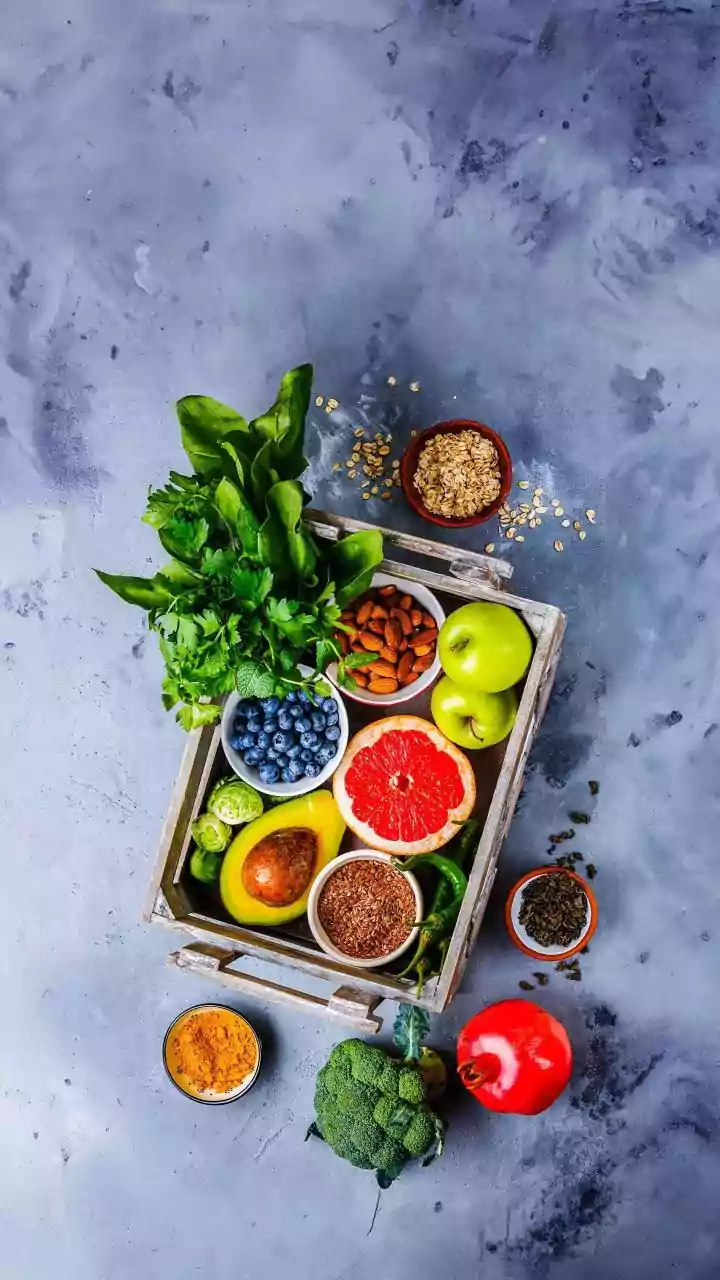
The good news is that the principles of a heart-healthy diet, like the DASH plan, are perfectly adaptable to Indian cuisine. The core idea is to shift the balance of your plate. This means increasing your intake of vegetables, fruits, whole grains, and pulses, which are naturally rich in potassium, calcium, and magnesium—minerals that help counteract sodium's effects. Think more sabzi and dal, and less of the high-sodium accompaniments. A heart-healthy Indian plate would be half vegetables, a quarter protein (like dal or paneer), and a quarter whole grains (like brown rice or whole wheat roti). Flavor should come from spices, herbs, ginger, garlic, and souring agents like lemon or tamarind, not from excessive salt.
Practical Swaps for a Healthier Heart
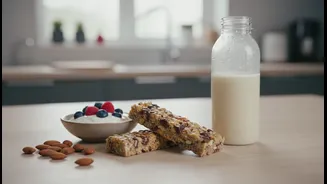
Making changes doesn't have to mean eating bland food. It’s about making smart swaps. Instead of a salty namkeen or biscuit for a snack, choose fresh fruit, a handful of unsalted nuts, or roasted chana. Swap instant noodles for a quick home-cooked poha or upma, where you control the salt. Read labels on packaged foods like bread, sauces, and soups, and choose low-sodium versions whenever possible. At home, consider using potassium-enriched salt substitutes, which have been shown to be effective in lowering blood pressure. Reducing your reliance on pickles and papads as daily staples, perhaps saving them for special occasions, can make a huge difference without sacrificing cultural food traditions entirely.