





Why Schedules Change in November
The primary reason for reduced bus services is the onset of winter. November is a shoulder month when tourism numbers drop significantly after the post-monsoon peak, making many routes commercially unviable for frequent services. More importantly, weather
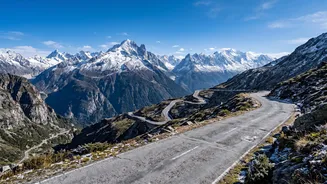
conditions begin to deteriorate. Lower temperatures, frost, and the first spells of snow can make high-altitude roads treacherous. State-run transport corporations, like Himachal Road Transport Corporation (HRTC) and Uttarakhand Transport Corporation (UTC), prioritise passenger safety by suspending or reducing services on routes prone to dangerous conditions, especially those crossing high mountain passes. This is a predictable, annual shift designed to prevent buses and passengers from getting stranded.
Key Regions and Routes Affected
The most significant reductions occur on high-altitude routes and in remote valleys. In Himachal Pradesh, routes that cross major passes like the Rohtang Pass (Manali-Kaza route) and Kunzum Pass are often the first to close, typically by late October or early November. This effectively shuts down the popular summer circuit to Spiti Valley from the Manali side, leaving only the longer route from Shimla via Kinnaur accessible. Similarly, services to remote areas in Lahaul, Pangi, and upper Kinnaur are curtailed. In Uttarakhand, while major arteries to towns like Dehradun and Nainital remain open, bus services to high-altitude pilgrimage sites and remote villages in the Garhwal and Kumaon regions see a sharp decline. In Ladakh, most bus services connecting Leh to Manali via the Manali-Leh Highway cease operations entirely for the winter.
Finding Accurate Timetables
Relying on old blog posts or outdated schedules is a recipe for trouble. The situation on the ground can change daily depending on weather. Your best bet is to seek the most current information from official sources. The websites for HRTC and UTC are the primary resources for checking schedules and service status. However, for hyper-local routes or the most up-to-the-minute information, the most reliable method is often to call or visit the main bus depots in major towns like Shimla, Manali, Dehradun, or Reckong Peo. Local staff at these stations have the latest updates on which buses are running, which are cancelled, and when the last service of the season might depart.
Your Travel Alternatives
With fewer buses, shared taxis become the backbone of Himalayan transport in the off-season. These are typically SUVs or minivans that run on fixed routes and leave once they are full. While more expensive than a bus, they are often faster and can navigate tricky road conditions more nimbly. You can find them at dedicated taxi stands in every major town. For more flexibility, you can hire a private cab, but this comes at a significantly higher cost. For some routes, like the Manali-Kaza road after its official closure, there may be no public transport options at all. In such cases, you will either need a private 4x4 vehicle with an experienced local driver or have to reroute your journey entirely.
Essential Tips for November Travel
Flexibility is your most important asset when travelling in the Himalayas during November. Build buffer days into your itinerary to account for potential delays or cancellations. Before starting a long journey, always check the weather forecast and ask locals about road conditions. Travel during the day, as temperatures drop sharply after sunset and icy patches can form on roads. It's also wise to carry extra cash, as ATMs in remote areas can be unreliable, and digital payments may not be an option in areas with poor connectivity. Pack warm layers, as even in a heated vehicle, breakdowns or delays can leave you exposed to the cold.