





What Is 'Real-World' Strength?
First, let's define our terms. Functional strength isn't about lifting the heaviest weight possible in a controlled setting. It's about training your body to handle tasks you perform in everyday life with ease and without injury. Think of carrying grocery
bags, picking up a child, twisting to grab something from the back seat of a car, or moving furniture. These actions don't happen in a fixed line of motion. They require multiple muscle groups to work together to push, pull, lift, bend, and stabilize your body as a single, coordinated unit. Traditional strength training often isolates muscles, but functional training focuses on mastering these fundamental movement patterns.
The Freedom to Move Naturally
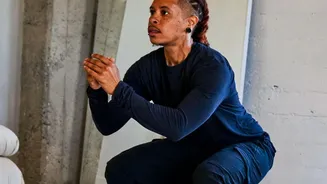
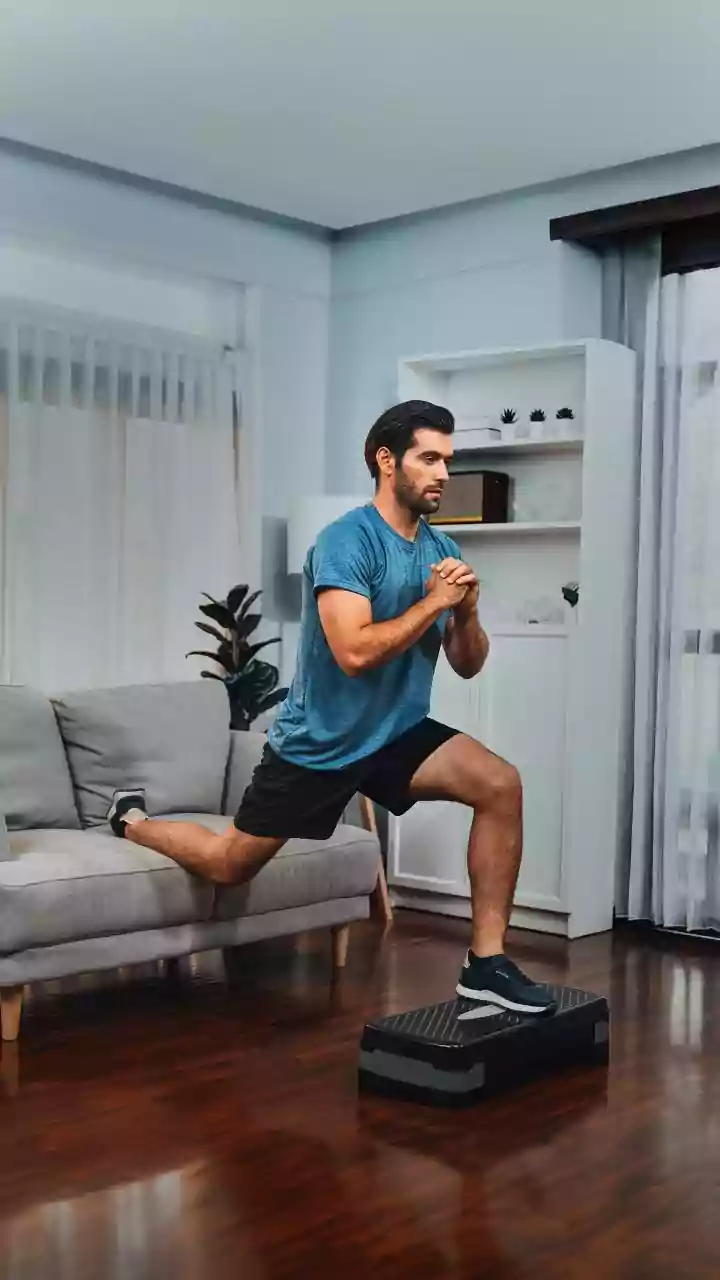
This is where free movement workouts—using equipment like dumbbells, kettlebells, resistance bands, or even just your own bodyweight—truly shine. Unlike a machine that locks you into a specific, rigid path, free weights don't have a guided track. A dumbbell shoulder press, for instance, requires your entire upper body and core to work together to control the weight. These compound exercises, which engage multiple joints and muscles at once, are the cornerstone of functional fitness. This freedom forces your body to learn how to move as an integrated system, which has a direct carryover to the unpredictable physical demands of the real world.
Your Body's Unsung Heroes: Stabilizer Muscles
The secret weapon activated by free movement is your network of stabilizer muscles. These are the smaller, supporting muscles surrounding your joints and core that don't get much love from exercise machines. Because machines provide stability for you, they essentially do the work of these crucial muscles. Free weights, on the other hand, force your body to stabilize the load itself. This engages your deep core muscles, the small muscles in your shoulders, and your hips to maintain balance and control throughout the movement. Building stronger stabilizers is key to improving coordination, balance, and reducing your risk of injury, as they teach your body to protect itself during dynamic, real-world actions.
Life Isn't on Rails
Think about how you move through your day. You twist, you turn, you move side-to-side. Life happens in three dimensions. Most exercise machines, however, only allow movement in a single plane—usually forward and backward. This is a significant limitation when your goal is real-world strength. Free movement workouts naturally encourage training across all planes of motion: sagittal (forward-back), frontal (side-to-side), and transverse (rotational). This comprehensive approach ensures that your body is prepared for the dynamic and often unpredictable movements that daily life throws your way, making you more resilient and capable.
So, Are Machines Useless?
Absolutely not. Machines have a valuable place in a well-rounded fitness routine. Because they provide stability and guide your movement, they are an excellent tool for beginners to learn proper form safely. They are also highly effective for isolating and strengthening a specific muscle, which can be useful for addressing weaknesses, rehabilitation after an injury, or for purely aesthetic goals. The key is understanding their purpose. While they are great for building muscle size and strength in a targeted area, they are less effective at building the integrated, functional strength that translates to everyday life.