
More Than Just a Mess
That familiar wet-dog smell is often the first sign of trouble. When fur, especially a thick undercoat, remains damp, it creates a warm, humid environment against the skin. This is an ideal breeding ground for bacteria and yeast. Conditions like acute
moist dermatitis, commonly known as 'hot spots', can develop rapidly, turning a small irritation into a painful, oozing lesion within hours. Fungal and yeast infections also thrive in these conditions, leading to intense itching, greasy skin, and persistent odours. This is particularly common during India's monsoon season, when high humidity makes it difficult for pets to dry completely. Beyond skin deep, wet paws can track in more than just dirt. Puddles on streets and sidewalks can contain harmful chemicals like pesticides or antifreeze, which are toxic if licked off during grooming.
A Protocol for Paws
A dog's paws are their connection to the world, but they are also magnets for moisture and debris. The skin between the paw pads is particularly vulnerable when it's been softened by prolonged wetness. After every rainy walk, make it a habit to thoroughly clean and dry each paw. Pay special attention to the spaces between the toes, where mud, small rocks, and other irritants can get trapped. For simple wetness, a highly absorbent towel will do. For serious mud, you might need a paw-cleaning device or a quick rinse with lukewarm water. It is crucial to dry them completely, as trapped moisture can lead to fungal infections. For long-haired breeds, keeping the fur between their paw pads trimmed short can make cleaning easier and prevent matting, which can trap even more moisture and dirt. Consistently checking paws also helps you spot small cuts or abrasions before they can become infected.
The Art of the Dry-Off
Once the paws are clean, the next step is tackling the rest of your pet. A standard bath towel might not be enough, especially for dogs with double coats like Labradors or German Shepherds. Microfibre towels are far more absorbent and can significantly cut down on drying time. Start by towel-drying as much as possible, focusing on the underbelly, chest, ears, and base of the tail where moisture tends to linger. For some dogs, a blow dryer on its lowest, coolest setting can be a great tool, but introduce it slowly and never point it at your dog's face. Ensure the dryer is always moving to prevent concentrating heat on one spot. Getting your dog completely dry is vital, as a damp undercoat that doesn't get air circulation can lead to skin irritation and that lingering wet-dog smell, which is caused by bacteria multiplying in the fur.
Gear Up Before You Go
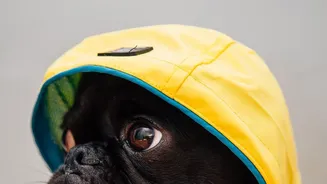
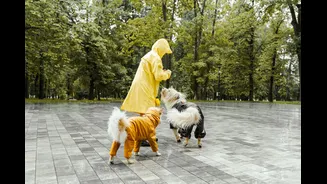
Prevention is always better than cure. Investing in some simple rain gear can make the post-walk clean-up significantly faster and easier. A good quality, well-fitting dog raincoat can keep the majority of your pet's body dry, drastically reducing the amount of toweling required. This is especially helpful for short-haired breeds that get cold easily or senior dogs whose joints may become stiff in cold, damp weather. For paw protection, waterproof dog booties are an excellent option. They not only keep paws clean and dry but also protect them from sharp objects hidden in puddles and from coming into contact with street contaminants. If your dog won't tolerate booties, applying a paw balm before a walk can create a protective barrier against some irritants. Choosing your route wisely by avoiding large puddles and muddy tracks can also make a big difference.