

Understanding the Autumn Challenge
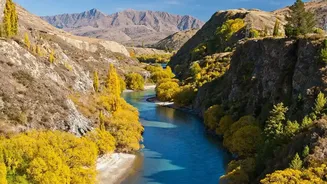
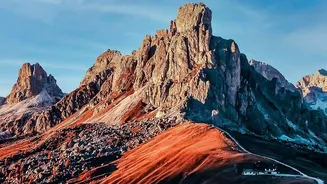
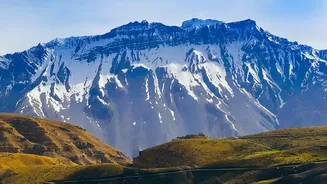
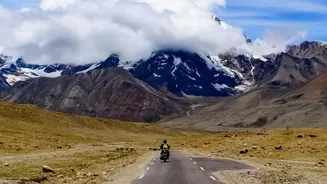
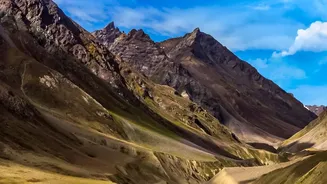
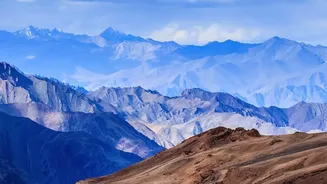
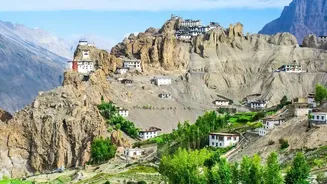
Autumn, from September to early October, is a magical window in Spiti. The post-monsoon skies are exceptionally clear, and the landscape is painted in hues of orange and yellow. However, this beauty comes with its own set of challenges. Daytime temperatures
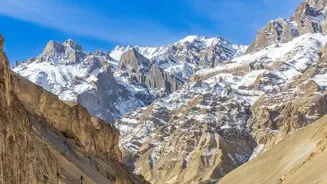
can be pleasant, ranging from 5 to 15 degrees Celsius, but they plummet quickly after sunset, often nearing or dropping below freezing. Strong, cold winds are a constant companion, especially on the high passes. Furthermore, from mid-October onwards, the weather becomes highly unpredictable, with the first spells of snow threatening to close key routes like Kunzum Pass with little warning. This means fewer services, as many guesthouses and dhabas begin to shut down for the winter.
Acclimatisation Is Non-Negotiable
Acute Mountain Sickness (AMS) is a serious risk in Spiti, where you will consistently be above 3,500 metres. AMS is not related to physical fitness; it occurs when your body doesn't adapt quickly enough to the lower oxygen levels at high altitudes. The golden rule is to ascend slowly. If travelling from Manali, plan for at least one or two nights at a lower-altitude stop like Kalpa or Sangla to acclimatise before pushing on to Kaza (3,800m). Symptoms of AMS include persistent headache, nausea, dizziness, and unusual fatigue. If you experience these, do not ascend further. Rest, stay hydrated, and if symptoms worsen, the only cure is to descend to a lower altitude immediately. Consulting a doctor about preventative medication like Acetazolamide before your trip is also a wise precaution.
Navigating Spiti’s Mountain Passes
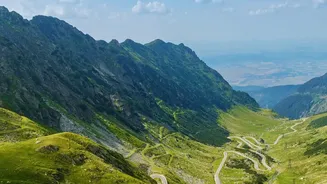
Your route will likely involve crossing major passes like Kunzum La (around 4,551m) and, if coming from Manali, the route via Rohtang Pass or Atal Tunnel. The road from Shimla to Kaza generally remains open year-round, offering a more gradual ascent, which is better for acclimatisation. The Manali-Kaza road, which crosses Kunzum Pass, is a bigger challenge. This pass typically closes from mid-October. The roads here are often unpaved, with rough gravel sections and water crossings, especially between Batal and Gramphu. Always check the latest road status from local authorities or taxi unions before starting your day, as conditions can change rapidly. Avoid driving at night; the narrow, winding roads with no guardrails in many sections are unforgiving.
Preparing Your Vehicle and Yourself
Whether you're in a car or on a motorcycle, a thorough vehicle check is crucial. Ensure your tyres have good tread, and inspect your brakes, engine oil, and coolant levels. Given the rough terrain, All-Terrain (AT) tyres are highly recommended over standard highway tyres. Carry a basic toolkit, a puncture repair kit, and know how to change a tyre. Fuel stations are scarce, so refuel at every opportunity. For yourself, the key is layering. Pack thermal inners, a fleece jacket, and a windproof/waterproof outer shell. Woollen socks, gloves, a warm cap, and UV-protection sunglasses are essential. Carry enough cash, as ATMs are unreliable and digital payments often don't work due to poor connectivity. A personal medical kit with painkillers, medication for stomach issues, and any prescribed drugs is a must.