





What Is the Official Announcement?
Tata Motors Passenger Vehicles (TMPV) confirmed on Friday, August 21, that it will increase the prices of its cars and SUVs starting September 1, 2026. The price adjustment will be up to Rs 25,000 and will apply across the company's entire passenger vehicle
portfolio. This includes internal combustion engine (ICE) models—petrol, diesel, and CNG—as well as its popular range of electric vehicles (EVs). The company stated that this marks its third price revision in 2026, following earlier hikes in April and July.
Why Are Prices Increasing Again?
The primary reason cited by Tata Motors is the continuous rise in input costs and sustained inflationary pressures. In a regulatory filing, the company explained that while it has been absorbing a significant portion of these increased expenses, it is now necessary to pass a part of the impact on to customers. This is not an issue unique to Tata. The broader Indian auto industry is facing similar challenges with the rising costs of raw materials like steel and aluminium, along with higher operational and logistics expenses. Other major players like Maruti Suzuki and Hyundai have also announced price hikes for similar reasons in recent months, indicating an industry-wide trend.
Which Tata Models Will Cost More?
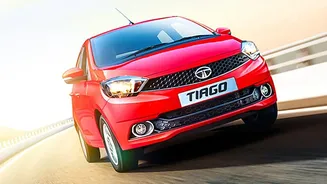
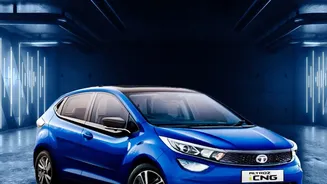
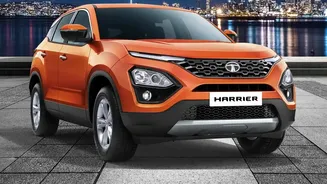
The price increase is comprehensive, affecting the entire lineup of Tata's passenger vehicles. This means popular models like the Tata Punch, Nexon, Altroz, and Tiago will see a price revision. The hike also extends to its premium SUVs, including the Harrier and Safari. Furthermore, the company has explicitly confirmed that its electric vehicle range, which includes the best-selling Nexon EV and Tiago EV, is also part of this price adjustment. So, regardless of whether you are in the market for a compact hatchback, a sub-compact SUV, or a full-sized electric vehicle from Tata, you should anticipate a higher price tag from September.
How Much More Will You Have to Pay?
The company has announced an increase of "up to Rs 25,000". This is an important distinction. It does not mean every car will become exactly Rs 25,000 more expensive. Instead, the quantum of the hike will vary depending on the specific model and variant. Typically, entry-level variants of more affordable cars like the Tiago might see a smaller increase in Rupee terms, while the top-end variants of premium models like the Safari or Harrier could see a hike closer to the Rs 25,000 ceiling. Tata Motors has not yet released a detailed, variant-wise price list, which is usually shared with dealerships closer to the effective date.
What This Means for Prospective Buyers
For anyone planning to purchase a Tata vehicle, the message is clear: buying before September 1 could save you money. Any vehicle invoiced on or after this date will be subject to the revised prices. If you have already finalized your decision and are ready to make a purchase, it would be wise to complete the transaction and get the car billed before the end of August. This will allow you to lock in the current, lower price. If you are still in the process of deciding, you now have a compelling financial reason to speed up your decision. Waiting until September will mean paying more for the same vehicle.