


Sea Buckthorn Berry Tea: The Liquid Gold of Ladakh
Known as 'liquid gold' or 'Amrit Phal' (immortal fruit) in the Himalayas, sea buckthorn is a hardy shrub that thrives in the harsh, high-altitude terrain of Ladakh and Lahaul-Spiti. The vibrant orange berries are packed with nutrients, most notably a high concentration
of Vitamin C. Traditionally, both the leaves and dried berries are steeped in hot water to create a brilliantly tangy and citrusy infusion. Its flavour is often described as bright and refreshing, like a blend of lemon and warm berries. This tea is not just a beverage but a cornerstone of traditional wellness, valued for boosting immunity and promoting skin health, a practice local communities have known for centuries. By choosing this tea, you also support the local economies and sustainable farming practices in these remote regions.
Buransh: The Crimson Rhododendron Flower Infusion
Every spring, from March to April, the hills of Uttarakhand, Himachal, and Nepal are set ablaze with the fiery red blossoms of the Rhododendron arboreum, locally known as Buransh. These beautiful flowers are handpicked by local communities, particularly women, and sun-dried to be used throughout the year. The infusion made from these dried petals has a delicate floral aroma and a slightly tart, tangy-sweet flavour, often enjoyed with a dash of honey. Traditionally, Buransh tea is valued in local wellness practices and is believed to be rich in antioxidants. The tree is so significant to the region's culture and economy that it is the state tree of Uttarakhand and its products have received a Geographical Indication tag.
Himalayan Nettle Tea: The Grounding Green Brew
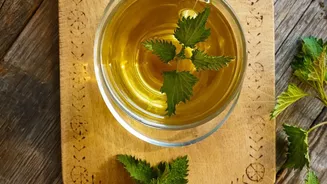
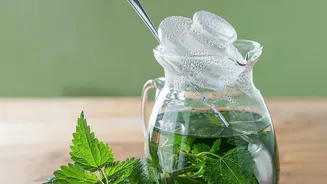
While its fresh form is famous for a painful sting, the Himalayan nettle (Urtica dioica or Bichhu Ghas/Sisnu) transforms into a deeply nourishing and gentle infusion once dried. Thriving in the Himalayan foothills, this plant has been a staple in local diets for generations, especially in Ladakh and Nepal. Once steeped, the nettle leaves lose their sting completely, yielding a smooth, earthy, and savoury green cup that is closer to a mild green tea than a floral one. In Ladakhi tradition, it's known as 'Zathuk' when made into a soup and is valued as a fortifying food. The infusion is naturally caffeine-free and traditionally considered a nutritious tonic, rich in minerals like iron and calcium. It is often consumed plain or blended with other herbs like tulsi and lemongrass for a more complex flavour.
Tulsi and Mint Blends: The Courtyard Classics
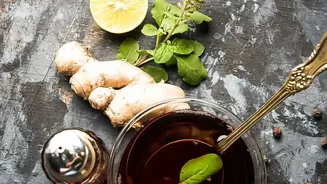
No exploration of Himalayan infusions would be complete without mentioning the humble yet sacred herbs grown in countless courtyards. Tulsi (Holy Basil) is revered across the region, not just for its spiritual significance but for its use in daily wellness. A tea made from Tulsi has a warm, slightly spicy aroma with notes of clove and pepper. It's a comforting cup enjoyed at any time of day. Often, it is blended with other locally grown botanicals like spearmint, which adds a cool, sweet, and gentle note to the brew. Other common additions include ginger and lemongrass, which create infusions that aid digestion and provide a sense of calm. These simple, caffeine-free blends represent the everyday, accessible side of the Himalayan botanical palette.