






The New Reality of Budget Air Travel
Welcome to the world of ‘unbundled’ airfares. To offer those rock-bottom prices, budget airlines have stripped the ticket down to its very essence: a seat on a plane. Everything else, from choosing your seat to bringing a check-in bag, is now an optional
extra that costs money. The latest and most confusing frontier in this model is the cabin baggage. What was once a standard inclusion is now a complex matrix of rules that vary by airline and, crucially, by the type of ticket you purchased. The cheapest “Lite” or “Saver” fares are designed for travellers who are genuinely travelling light. They assume you have little more than a backpack. This is where many travellers get caught out, assuming their standard cabin allowance is guaranteed.
The Crucial Difference: Cabin Bag vs. Personal Item
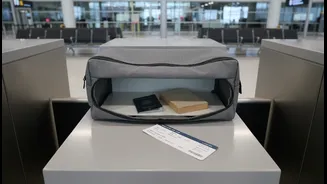
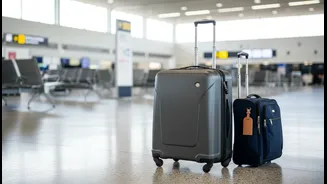
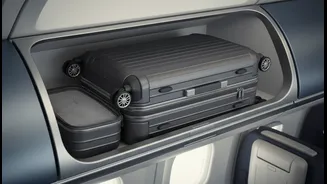
Understanding airline terminology is the first step to avoiding fees. In most standard economy tickets, you are allowed two items in the cabin: a ‘cabin bag’ and a ‘personal item’. A cabin bag is the small suitcase or trolley that goes into the overhead bin. A personal item is a smaller bag, like a purse, a slim laptop bag, or a small backpack, that must fit under the seat in front of you. However, with the most basic fares, this distinction can blur or disappear entirely. Some airlines now count your laptop bag as part of your total 7kg cabin weight limit, not as a separate freebie. This is the trap: your small suitcase might be under 7kg, but once you add your laptop bag to the calculation, you’re suddenly overweight.
Decoding the Rules for Indian Skies
In India, most major low-cost carriers have a standard cabin baggage policy, but the cheapest fares come with caveats. IndiGo generally allows one cabin bag of 7 kg and a personal item (like a laptop bag) of up to 3 kg. Akasa Air also permits a 7 kg cabin bag plus one personal item. Air India Express, meanwhile, offers fares with no free check-in luggage and allows a combined cabin baggage weight of 7 kg, split between one main bag and one personal item. SpiceJet offers “Hand Baggage Only” fares, which include just a single piece of cabin baggage up to 7 kg; this allowance explicitly includes your laptop bag or purse, removing the separate personal item allowance. This means everything you bring into the cabin must collectively weigh no more than 7 kg.
The Weight vs. Size Dilemma
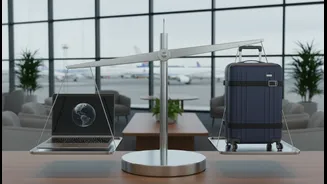
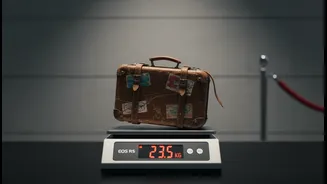
Most travellers are conditioned to worry about the physical size of their cabin bag, ensuring it fits the airline's metal sizer at the gate. But the real issue is often weight. A standard cabin trolley suitcase can weigh 2-3 kg when empty. Add a laptop (1.5-2 kg), its charger, a book, a toiletries kit, and one change of clothes, and you have easily breached the 7 kg limit without even trying. Airlines are becoming much stricter about weighing cabin bags at check-in or even at the boarding gate. A bag that fits the dimensions perfectly can still be flagged for being overweight, leading to hefty last-minute charges.
The Painful Cost of Getting It Wrong
Ignoring these rules can be an expensive mistake. If your cabin bag is found to be overweight at the airport, you will be forced to either check it in or pay an excess baggage fee. These fees are deliberately high to encourage passengers to pay for luggage in advance. Expect to pay anywhere from ₹550 to ₹700 per extra kilogram at the airport. An extra 3 kg could set you back nearly ₹2,000, often wiping out the savings from your cheap ticket. Some airlines also charge a flat fee for adding a checked bag at the airport on a hand-baggage-only fare, on top of any weight charges.
How to Travel Smart and Avoid the Fees
The good news is that these fees are entirely avoidable with a little planning. First, always read the baggage rules for your specific fare type before you book. Second, invest in a lightweight digital luggage scale (they are inexpensive and small) and weigh your packed bag at home. If you are over the limit, your cheapest option is almost always to pre-book additional baggage allowance online, which can be 30-50% cheaper than paying at the airport. Consider wearing your heaviest items, like jackets or boots, on the plane. Finally, evaluate if that super-saver ticket is truly worth it. If you know you can't pack within a strict 7 kg limit, it may be cheaper overall to book the next fare up that includes a more generous baggage allowance from the start.