

A Forgotten Airfield Gets a New Life
The primary reason for Rupsi’s newfound fame is the revival of its airport. Originally built by the British during World War II, the airfield was a critical supply point for Allied forces in the China-Burma-India theatre. After decades of disuse following
the shutdown of Vayudoot airline services in 1984, the airport remained dormant. However, under the government's Regional Connectivity Scheme (RCS-UDAN), Rupsi Airport was redeveloped and became operational again in May 2021. This strategic reopening has dramatically cut travel time to this part of Lower Assam, which was previously a long and arduous journey by road. Recent reports from travel platforms like Skyscanner show a staggering 502% year-on-year increase in flight searches for Rupsi, placing it second on a list of globally trending destinations for 2027.
The Gateway to Western Assam
The renewed airport doesn't just put Rupsi on the map; it serves as a gateway to the entire Dhubri district and the wider Bodoland Territorial Region (BTR). This region of Assam, rich in culture and nature, has largely been off the mainstream tourist circuit. With flights now connecting Rupsi to major hubs like Kolkata and Guwahati, travellers have a convenient entry point to explore a host of attractions. The airport's location is strategic, serving nearby towns like Kokrajhar, Bongaigaon, and Goalpara, and even offering easier access to parts of neighbouring West Bengal and Bhutan. This enhanced connectivity is a game-changer for tourism, making previously hard-to-reach areas accessible for weekend trips and longer explorations.
A Rich Tapestry of Nature and Wildlife
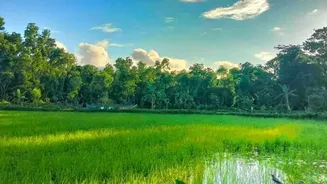
For nature lovers, the area around Rupsi is a treasure trove. It provides access to several important wildlife destinations. Raimona National Park in Kokrajhar, known for its golden langurs and diverse biodiversity, is a significant draw. The airport is also a convenient starting point for trips to Chakrasila Wildlife Sanctuary, home to the golden langur and other rare species, and even the famed Manas National Park, a UNESCO World Heritage Site. The landscape is dominated by the mighty Brahmaputra River, offering serene riverfront views, lush paddy fields, and wetlands teeming with birdlife. This unspoiled natural environment offers a peaceful escape and a chance to experience Assam’s raw beauty.
Cultural and Spiritual Hub
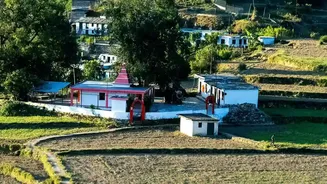
The region is steeped in history and a unique blend of cultures. Dhubri town, a short distance from Rupsi, is a melting pot of Assamese and Bengali influences. It is home to several important spiritual sites that reflect its harmonious past. The Gurudwara Sri Guru Tegh Bahadur Sahib Ji, established by the ninth Sikh Guru in the 17th century, is a major pilgrimage site. Another key attraction is the Mahamaya Dham, a revered Shakti Peeth that draws devotees from across Lower Assam. History buffs can explore the Matiabagh Royal Palace in Gauripur, which offers a glimpse into the region's royal heritage. For those interested in local crafts, the terracotta village of Asharikandi provides a fascinating look at traditional pottery.
Why 2027? The Rise of the Curious Traveller
The trend towards Rupsi is part of a larger shift in travel preferences. Indian travellers are increasingly adventurous, seeking authentic experiences away from crowded tourist centres. The '2027 wishlist' framing comes from data showing a sharp rise in exploratory searches, as people plan future trips to unique destinations. The combination of affordability, thanks to the UDAN scheme's subsidised fares, and the appeal of an unexplored destination makes Rupsi a perfect candidate. It offers a blend of history, nature, and culture that appeals to the modern traveller who wants to disconnect and discover something new. As connectivity improves and word spreads, Rupsi is well-positioned to become a beloved spot for those looking to experience the heart of Assam.