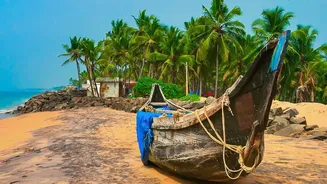





The Vibe: Cliffside Chic vs. Rustic Retreat
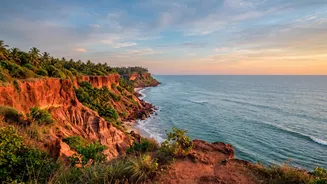
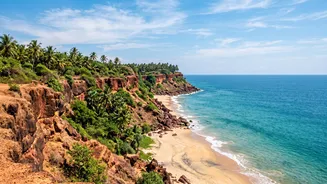
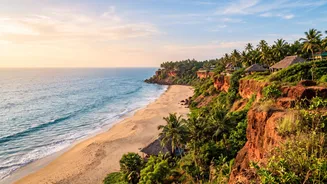
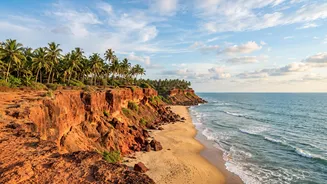
Your workation is as much about the atmosphere as it is about the Wi-Fi. Varkala, in Kerala, offers a unique “cliffside chic” experience. The town’s social and commercial life is concentrated along a stunning red laterite cliff that overlooks the Arabian
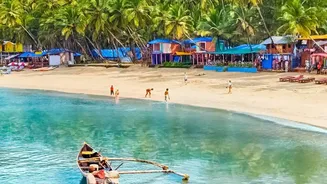
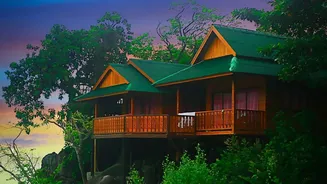
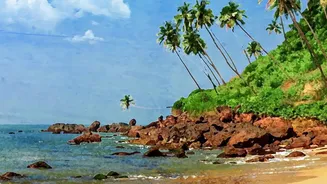
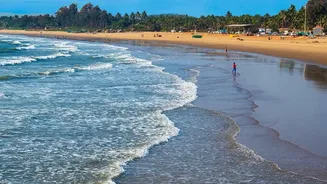
Sea. This single, dramatic strip is lined with vibrant cafes, yoga studios, and Tibetan shops, creating a cosmopolitan and social atmosphere. It attracts a crowd that appreciates both a bohemian vibe and a good cappuccino, making it feel developed yet relaxed. Gokarna, in Karnataka, presents a starkly different picture. Often described as what Goa was like two decades ago, it maintains a raw, earthy charm. Instead of one central cliff, Gokarna’s appeal lies in its series of distinct beaches—Kudle, Om, Half Moon, and Paradise—often connected by rustic coastal treks. The vibe is slower, more spiritual, and deeply connected to nature. It’s a place for those who want to disappear into a quieter, less commercialised setting, swapping boutique cafes for simple beach shacks and bonfires.
The Budget: Where Your Rupee Stretches Further
When it comes to cost, there's a clear winner. Gokarna is consistently hailed as the more budget-friendly of the two. Daily expenses can comfortably be kept between ₹1,200 and ₹2,500. Accommodation is a major saving, with rustic beach huts on Kudle or Om Beach available for as little as ₹600-₹1,500, and hostel beds even cheaper. Food is another area where you save, with delicious local thalis and meals often costing under ₹100. Varkala is slightly heavier on the wallet, largely due to the tourist-focused cafes along the cliff, where a meal can cost between ₹300-₹500. However, it remains a budget destination. A daily budget for a backpacker can range from ₹1,500 to ₹2,500. Affordable stays are plentiful if you look beyond the prime cliff-edge spots, with hostel dorms starting around ₹400 and budget guesthouses readily available.
The Workspace: Connectivity and Cafes
For a digital nomad, internet is non-negotiable, and this is where Varkala has a distinct edge. The town's infrastructure is more mature, with many hostels and guesthouses offering reliable high-speed fiber broadband with speeds reaching 100-200 Mbps. The cliff is lined with laptop-friendly cafes, and a growing number of hostels feature dedicated, air-conditioned co-working spaces. Gokarna is catching up fast but can still be a gamble. While top hostels like Zostel now provide reliable fiber internet, many workationers still depend on mobile data from Jio or Airtel, which is strong in the main town but can be patchy on more remote beaches. Power cuts can also be more frequent, making a power bank and a backup data plan essential. The “office” here is less likely to be a formal co-working space and more likely a quiet corner in a beach shack or a hostel’s common area.
Beyond the Laptop: Unwinding and Exploring
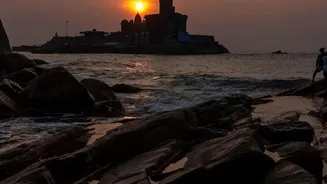
Once you close your laptop, each town offers a different pace of life. Varkala’s compact layout makes it highly walkable. The lifestyle here revolves around wellness, with endless options for drop-in yoga classes, Ayurvedic treatments, and surf lessons. The social scene is active, and it’s easy to meet fellow travelers and nomads at the bustling cliff cafes after work. In Gokarna, the adventure is more rugged and self-directed. The undisputed highlight is the free coastal trek that connects the town's five main beaches, a journey of several hours through forests and across headlands with stunning ocean views. Life is quieter and more introspective. Evenings are less about socialising in bars and more about watching sunsets, enjoying a bonfire on the sand, or simply soaking in the tranquility of the less-crowded shores.