



More Than Just Nostalgia
For years, the narrative of modern Indian cuisine was dominated by refinement and foreign influence. Wheat and rice became the undisputed kings of grains, pushing a diverse array of traditional staples to the background, often dismissed as 'village food'.
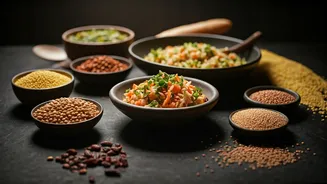
But the tide is turning. This revival is not just about sentimentality; it's a conscious, deliberate movement. Consumers are actively seeking out millets like ragi, jowar, and bajra, while chefs are foraging for forgotten greens and championing heirloom rice varieties. This isn't about replicating the past verbatim. Instead, it’s about understanding the wisdom of traditional eating habits and adapting them to a contemporary lifestyle, creating a food culture that is both rooted and dynamic.
The Health and Wellness Connection
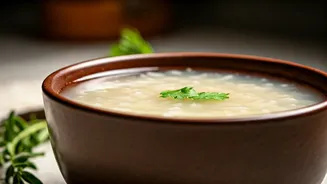
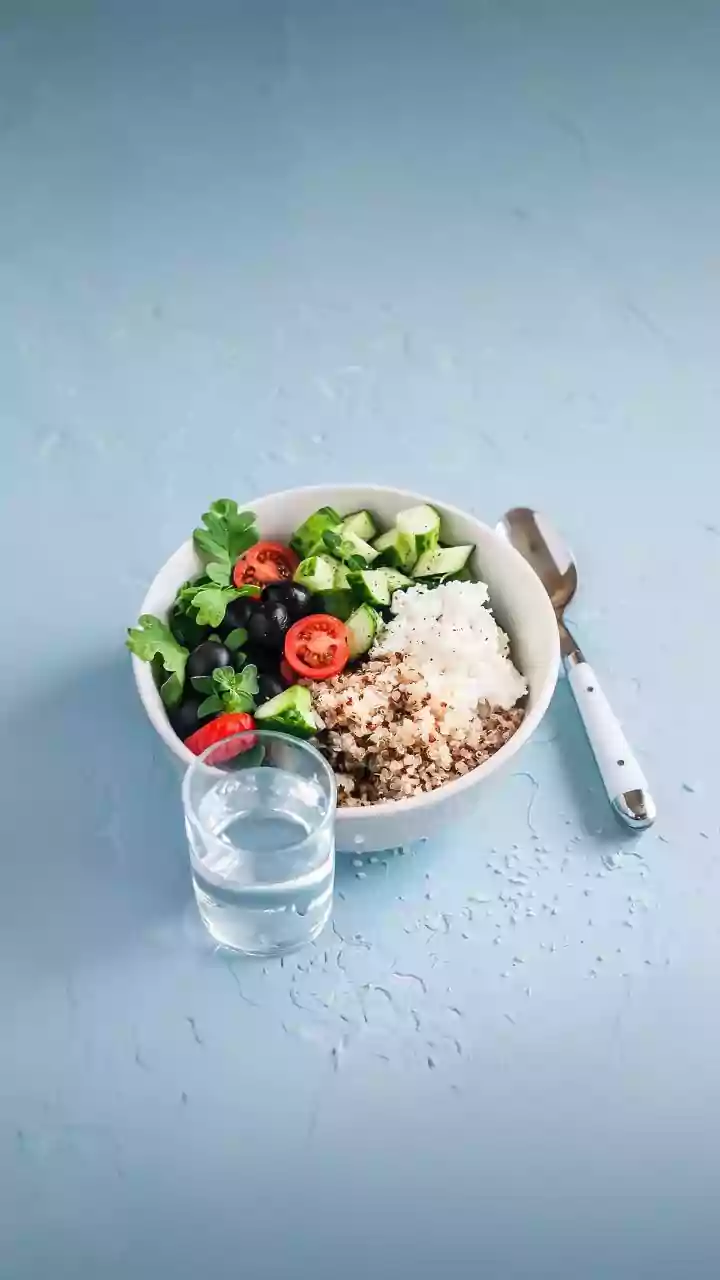
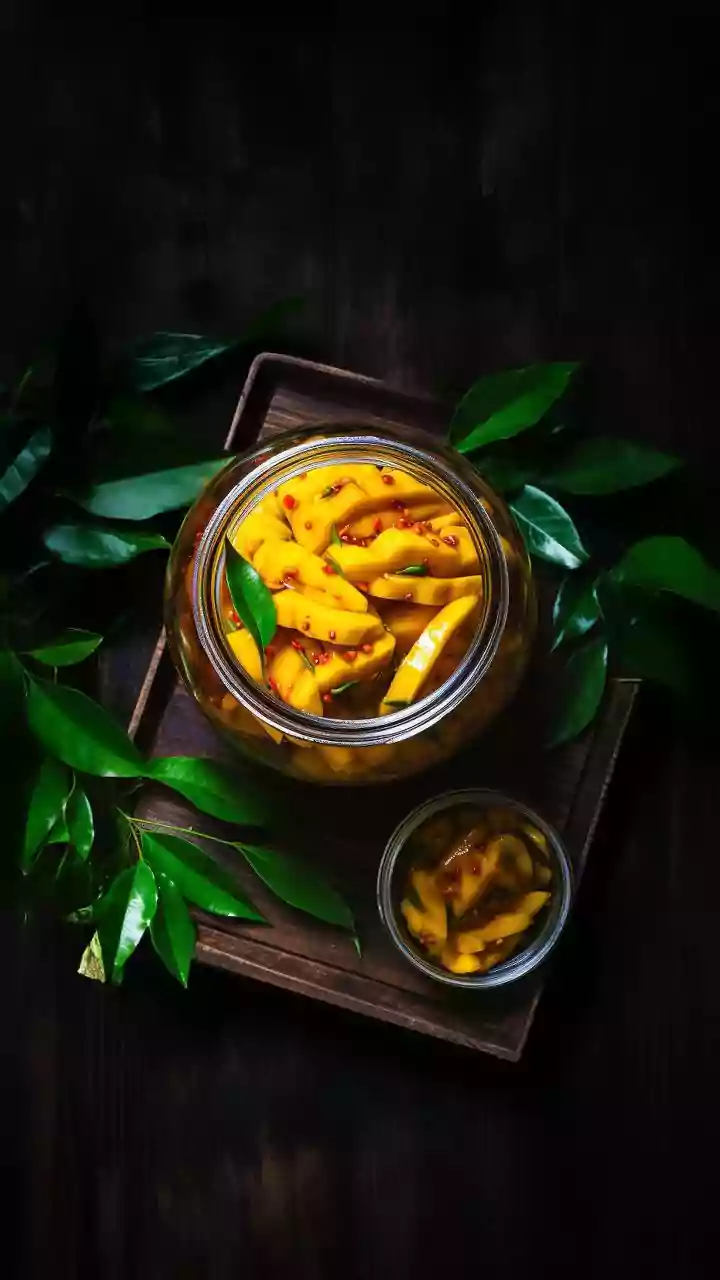
A significant driver behind this culinary renaissance is the growing focus on health and wellness. As awareness about lifestyle diseases and the pitfalls of processed foods grows, Indians are looking for homegrown solutions. Millets, once the food of our ancestors, are now celebrated as gluten-free superfoods rich in fibre and micronutrients. Fermented foods, long a part of regional diets—from kanji in the north to panta bhat in the east—are being rediscovered for their probiotic benefits and positive impact on gut health. The traditional Indian thali, with its balanced composition of carbs, proteins, fats, and fibre, is being hailed as a perfect model for mindful eating. This shift represents a move away from chasing global health fads and a return to the inherent nutritional wisdom embedded in our own culinary traditions.
Chefs as Cultural Storytellers
India’s top chefs are no longer just cooking; they are acting as culinary archaeologists and storytellers. They are travelling to the remotest corners of the country to unearth hyper-regional recipes and ingredients, bringing them from village kitchens to fine-dining tables. This isn't about simply adding a traditional dish to the menu. It's about deconstruction and innovation. Think millet risotto, jackfruit tacos, or cocktails infused with mahua. These chefs are using modern techniques to elevate humble ingredients, presenting them in a way that is exciting and accessible to a new generation of diners. In doing so, they are challenging the old hierarchy of ingredients and proving that traditional Indian food can be both sophisticated and globally relevant.
From Kitchens to Instagram Feeds
The revival is also being amplified by the power of social media. A decade ago, a bowl of ragi mudde or a simple plate of khichdi might not have been considered 'Instagrammable'. Today, food bloggers and home cooks are proudly showcasing these dishes, sharing their family recipes and stories with a global audience. They are styling traditional meals with modern aesthetics, creating beautiful, compelling content that makes heritage food look cool and aspiraspirational. This digital spotlight has been crucial in changing perceptions, especially among younger audiences. It has created a community-driven movement where knowledge is shared, recipes are exchanged, and a collective pride in our diverse culinary heritage is nurtured.
A Plate Full of Identity
At its heart, this food revival is about a search for identity. In a rapidly globalising world, food has become a powerful way for people to connect with their roots. Eating a dish that your great-grandmother made is a tangible link to your past and your regional heritage. It’s a statement of pride in one's culture. This is particularly true for the Indian diaspora and for urban Indians who may feel disconnected from their ancestral homes. By choosing to cook and eat traditional foods, they are not just making a dietary choice; they are participating in a cultural act, preserving a legacy, and reinforcing their identity in a delicious and meaningful way.