



Embrace Native Plants
The single most effective way to garden smarter is to choose plants that belong here. Native Indian species have spent thousands of years adapting to our specific climate, soil, and rainfall patterns. This means they are naturally resilient, require significantly
less water, and are more resistant to local pests and diseases. Instead of struggling with exotic species that demand constant care, opt for hardy, beautiful options like marigolds (genda), jasmine (mogra), holy basil (tulsi), or hibiscus. These plants not only thrive with minimal intervention but also provide essential food and shelter for local birds, bees, and butterflies, turning your garden into a miniature ecosystem.
Conserve Every Drop of Water
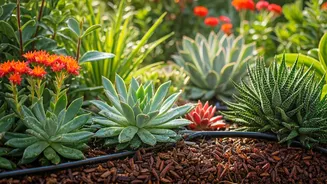
Water is a precious resource, especially in many parts of India. Smart gardening means treating it that way. The best time to water your plants is early in the morning or late in the evening to minimise evaporation under the harsh sun. Water the base of the plant, not the leaves, to ensure the moisture goes directly to the roots. Another powerful technique is mulching. Applying a layer of organic material like dried leaves, straw, or wood chips over the soil helps retain moisture, suppress weeds, and keep the soil cool. For those with larger gardens or rows of pots, investing in a simple drip irrigation system can save up to 80% more water than traditional watering cans or hoses.
Create Your Own 'Black Gold'
Don't throw away your kitchen scraps! Vegetable peels, fruit waste, tea leaves, and eggshells can be transformed into 'black gold'—rich, nutritious compost. Composting is nature's way of recycling, and it's incredibly easy to do at home, even in an apartment. A simple composting bin on a balcony or terrace can turn your organic waste into a powerful, all-natural fertiliser. This homemade compost enriches the soil with essential nutrients, improves its structure and water-holding capacity, and eliminates the need for chemical fertilisers that can harm the environment and seep into our water systems. It’s a win-win: you reduce your household waste and give your plants the best food possible.
Go Chemical-Free for Pest Control
A healthy garden will have some pests, but reaching for a chemical spray should be your last resort. Most pesticides are indiscriminate, killing beneficial insects like ladybugs and bees along with the pests. Instead, adopt an integrated pest management approach. Start by encouraging natural predators. A diverse garden with many types of flowers will attract these helpful insects. For common problems like aphids and mealybugs, a simple solution of neem oil mixed with water and a drop of liquid soap is a highly effective, non-toxic deterrent. Planting garlic or marigolds among your vegetables can also help repel certain pests naturally. A healthy plant grown in good soil is also its own best defence.
Think Vertically and In Containers
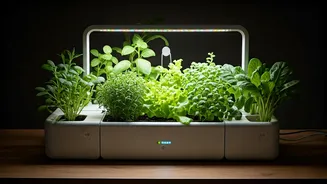
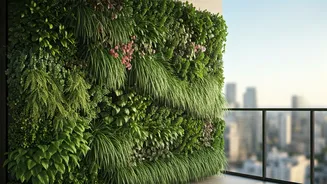
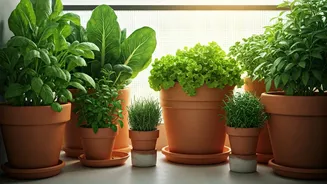
You don't need a sprawling lawn to celebrate nature. Urban gardening is booming, and for good reason. Balconies, windowsills, and terraces can become lush green spaces with a bit of creativity. Container gardening allows you to control the soil and water for each plant perfectly. Grow herbs like mint (pudina) and coriander (dhania) in small pots for fresh kitchen supplies. To maximise a small space, think vertically. Use wall-mounted planters, hanging baskets, or tiered stands to create a living wall of green. This not only adds beauty but also helps cool your home and purify the air in a dense urban environment.