




Understanding Your Light
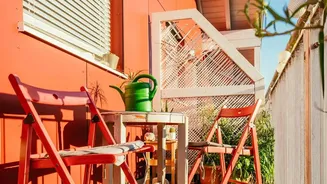
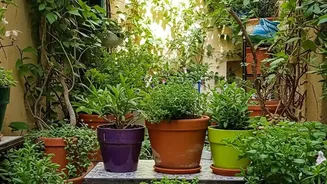
Before you start planting, it is important to understand why your specific balcony is a great spot for certain herbs. An east-facing balcony, which receives gentle morning sun, is perfect for leafy herbs that can get scorched or stressed by intense afternoon
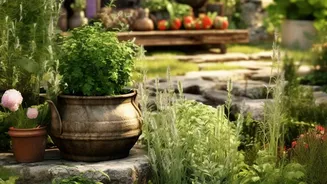
heat. The softer morning light provides enough energy for growth without drying out the soil too quickly or causing the plants to bolt, which is when they flower prematurely. This environment is less stressful for many plants than a hot, sun-drenched space. Leafy herbs like mint, coriander, and parsley don't need the intense, long hours of sun that woody Mediterranean herbs like rosemary or thyme require. They can produce plenty of lush leaves with just a few hours of good morning light followed by bright, indirect light for the rest of the day. This makes your balcony a hidden gem for growing a range of useful and aromatic plants.
Mint (Pudina)
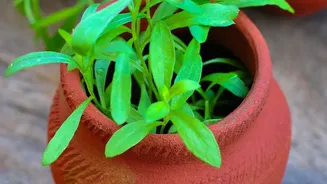
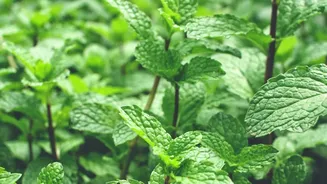
Mint is one of the most forgiving and productive herbs for a partial-sun balcony. In fact, it often performs better with some protection from hot, direct sun, which can cause its leaves to wilt. Growing it in a container is highly recommended as mint is notoriously invasive and its roots will spread aggressively if given the chance. A pot naturally keeps it contained. For Indian homes, having fresh pudina on hand is a game-changer for everything from vibrant chutneys and cooling raitas to refreshing summer drinks and aromatic biryanis. Ensure the soil stays consistently moist but not waterlogged. A pot that is at least 8-10 inches deep will give it enough space to flourish. Harvest the leaves regularly by snipping the stems; this encourages the plant to become bushier and produce even more fragrant leaves.
Coriander (Dhania)
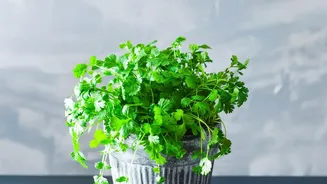
No Indian kitchen is complete without a fresh supply of coriander, or dhania, and it is perfectly suited for a balcony with morning sun. Intense afternoon heat is a major reason coriander plants bolt, so a spot with gentler morning exposure is ideal. To grow from seed, it is a good trick to lightly crush the whole coriander seeds to split them in half, as this significantly improves germination rates. Sow the seeds in a wide, relatively shallow pot with good drainage, as it has shallow roots. Keep the soil moist but not soggy, and you should see sprouts within a week or two. For a continuous supply, sow a new batch of seeds every few weeks. Having fresh, pesticide-free dhania to garnish your dals, curries, and salads makes the small effort of growing it incredibly rewarding.
Parsley
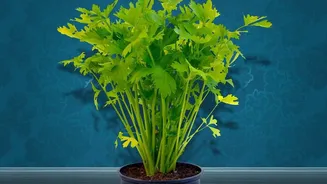
Parsley is another leafy herb that thrives in conditions with morning sun and afternoon shade. Like coriander, it can be sensitive to too much heat, which can cause its flavour to weaken and the plant to tire. It is a workhorse in the kitchen, and while not as central to Indian cuisine as coriander, its fresh, clean taste is a wonderful addition to salads, marinades, and as a versatile garnish. There are two main types: flat-leaf (Italian) parsley, which has a more robust flavour, and curly parsley, which is often used as a decorative garnish. Both will grow well in your balcony conditions. Provide it with rich, moist soil and a pot that allows for good drainage. Consistent watering is key to keeping its leaves tender and flavourful. Harvest the outer leaves first, allowing the inner leaves to continue growing.
Chives
Chives are a member of the onion family and offer a mild, delicate onion-like flavour that is perfect for a huge variety of dishes. They are surprisingly tolerant of partial shade and will do beautifully on a balcony that gets a good dose of morning sun. Their grass-like appearance also makes them an attractive addition to your container garden. Chives are easy to care for and are perennials, meaning they will come back year after year. They prefer consistently moist soil and will appreciate a spot that protects them from the scorching afternoon sun. To harvest, simply snip the green stalks about an inch from the base with scissors. Regular harvesting encourages new growth. Use them to add a fresh, subtle kick to eggs, potatoes, soups, and as a final flourish on savoury dishes.
Lemon Balm
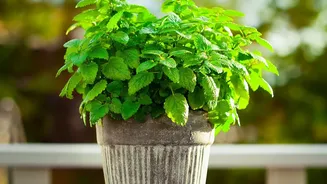
A member of the mint family, lemon balm shares its relative's tolerance for partial shade and its tendency to grow vigorously. Its crinkled, heart-shaped leaves release a lovely, fresh lemon scent when bruised. It is an excellent choice for a morning-sun balcony, where it can be protected from the intense heat that might scorch its leaves. Lemon balm is incredibly easy to grow and will thrive in a container that keeps its spreading habit in check. Use it to make a wonderfully calming herbal tea, add a citrusy note to fruit salads, or infuse it into water for a refreshing drink. Like mint, it prefers moist soil and will grow quickly, providing you with a generous supply of its fragrant leaves throughout the season. Harvesting regularly will keep the plant compact and productive.