





Getting Started: Why Grow Your Own Herbs?
Before diving into the soil, it's worth appreciating the simple rewards of a balcony herb garden. Beyond the obvious benefit of having fresh, flavourful ingredients at your fingertips, gardening is a well-known stress reliever. Tending to plants offers
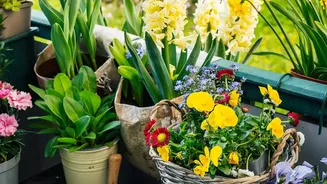
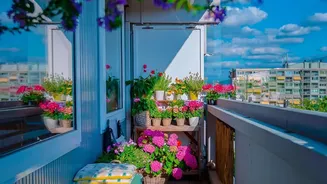
a therapeutic break from the fast-paced urban grind. Imagine snipping fresh pudina for your morning chai, tossing vibrant tulsi into a salad, or garnishing your dal with homegrown dhaniya. A small herb garden not only saves you money and reduces your carbon footprint but also adds a touch of natural beauty to your apartment, connecting you more closely with the food you eat.
Choosing Your Green Companions
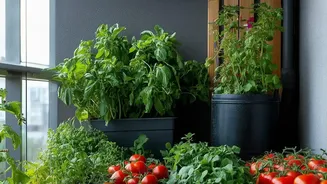
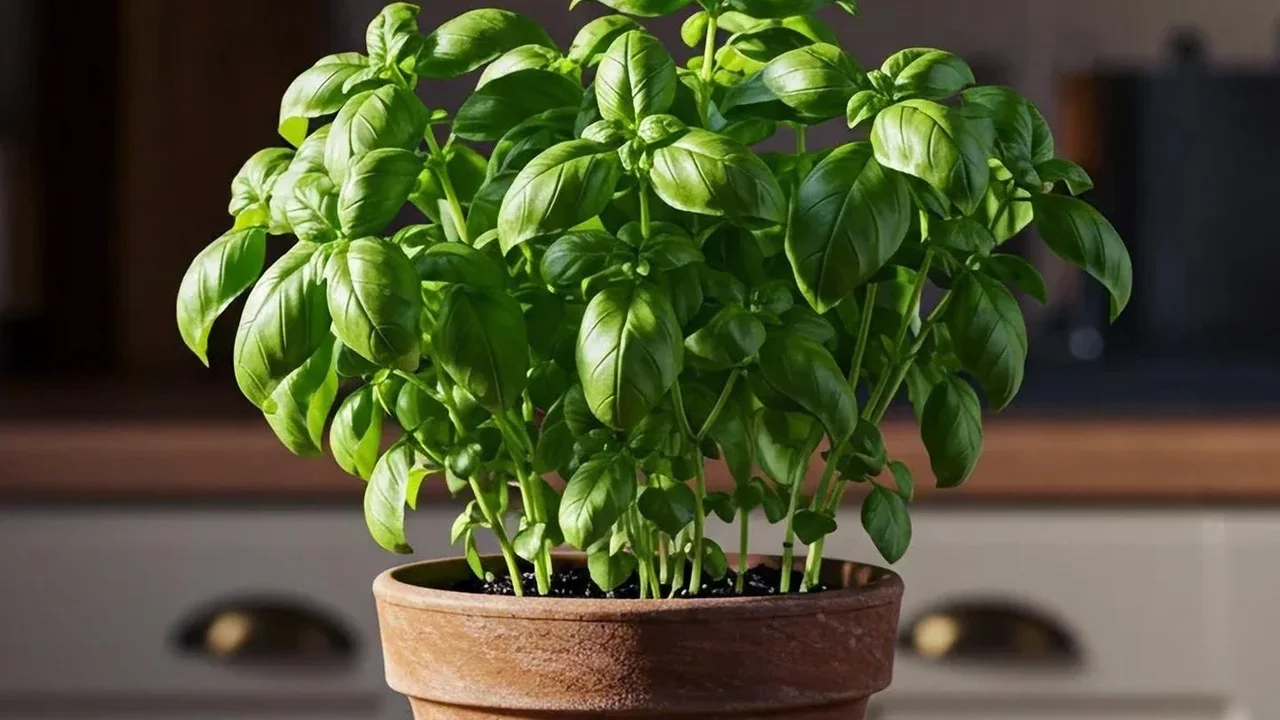
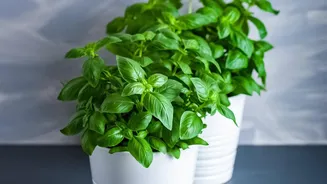
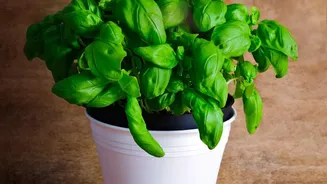
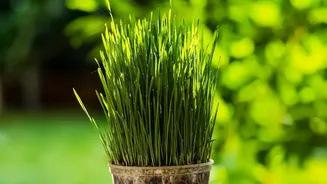
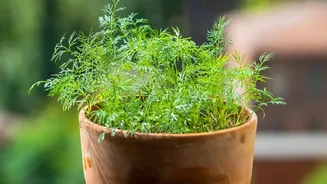
The key to a successful balcony garden is selecting herbs that are well-suited to Indian climates and container living. For beginners, it’s best to start with low-maintenance plants. Mint (Pudina) is famously easy to grow and spreads quickly, perfect for chutneys and drinks. Tulsi (Holy Basil) is another must-have, thriving in pots with plenty of sunlight and known for its medicinal properties. Coriander (Dhaniya) is a staple in Indian cooking; while it can be tricky, growing it from seed in a wide pot often yields great results. Other excellent choices include Curry Leaves (Kadi Patta) for that essential tadka flavour, Lemongrass for fragrant teas, and even Fenugreek (Methi), which grows surprisingly fast.
The Right Home: Pots, Soil, and Sunlight
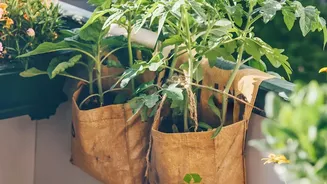
Your herbs' success hinges on their environment. The most common mistake beginners make is choosing the wrong container. Ensure any pot you use—be it terracotta, plastic, or a recycled container—has drainage holes at the bottom to prevent waterlogging and root rot. Using garden soil is another frequent error; it's too heavy for pots. Instead, opt for a light, well-draining potting mix, often a combination of cocopeat, compost, and perlite, which helps retain moisture while allowing roots to breathe. Sunlight is equally critical. Most herbs need at least four to six hours of sunlight per day. Observe your balcony to find the sunniest spot, usually a south or west-facing area, before placing your pots.
Watering and Basic Care
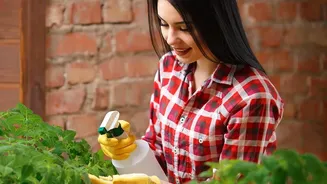
Overwatering is one of the quickest ways to kill a container plant. The rule of thumb is to water only when the top inch of soil feels dry to the touch. Plants in small pots or in direct, hot sun will need more frequent watering than those in larger containers or partial shade. Herbs generally don't require heavy fertilisation. A dose of organic compost or a diluted liquid fertiliser every few weeks during the growing season is usually sufficient to keep them healthy. Avoid over-fertilising, as it can harm the plants. To encourage bushier, fuller plants, regularly pinch off the top leaves and any flowers that appear. This directs the plant's energy into producing more of the fragrant leaves you want for your kitchen.
Harvesting for Continuous Growth
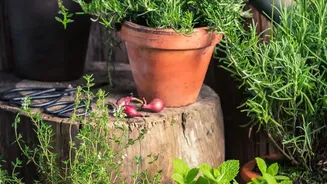
The best part of having an herb garden is harvesting your produce. Regular harvesting actually encourages plants to grow more vigorously. When you need some herbs, snip what you need with scissors rather than pulling leaves off by hand. For leafy herbs like mint and basil, trim the top stems just above a set of leaves. This will encourage the plant to branch out and become bushier. For coriander, you can cut the outer leaves first, allowing the inner leaves to continue growing. Try not to harvest more than one-third of the plant at a time to ensure it remains healthy and productive.