





Start with Water-Related Woes
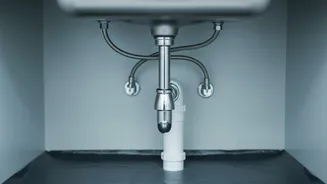
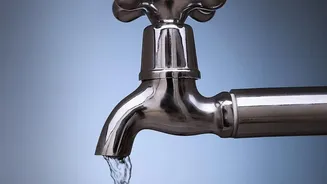
The headline gets it right: your maintenance plan must begin with water. Leaks, damp patches, and clogged drains are not minor annoyances; they are the root of many major household problems in India, especially with the dramatic swing between dry summers
and wet monsoons. Unchecked moisture leads to mould and fungal growth, which can cause respiratory health issues. It weakens plaster, damages electrical wiring, and can cause permanent harm to the building's structure. By focusing on these areas first, you are tackling the most destructive and costly potential issues head-on, protecting both your health and the property.
Pre-Monsoon Prep (May – June)
This is the most critical period for home maintenance. Before the rains arrive, your goal is to seal your home against water. First, clean all drainage pipes and rooftop gutters to prevent blockages and overflows. Inspect the roof and exterior walls for any cracks and have them sealed immediately. This is also the time to check the seals around windows and balcony doors to prevent water from being driven inside by strong winds and rain. Finally, service your air conditioners. After a long summer, filters will be clogged, and a clean AC not only cools better but is also more energy-efficient and less likely to leak condensation indoors.
Monsoon Care (July – September)
During the monsoon, your focus shifts from prevention to management. High humidity is a given, so ensuring good ventilation is key to preventing dampness and musty smells. Use exhaust fans in kitchens and bathrooms, and open windows for cross-ventilation when it isn't raining. Keep an eye out for any new damp spots on walls or ceilings, as these indicate a leak that was missed during pre-monsoon checks. This is also a prime season for pests seeking shelter, so ensure any gaps around pipes or in walls are sealed. Check wooden furniture for swelling and keep it slightly away from damp walls.
Post-Monsoon & Winter Prep (October – December)
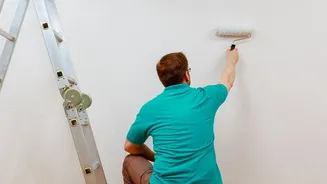
Once the rains recede, it's time to assess and repair any damage. This is the ideal time for any necessary repainting, particularly on exterior walls. Conduct a thorough check of all electrical systems, as moisture can cause long-term damage to wiring and sockets. As temperatures begin to dip, inspect and service geysers and water heaters to ensure they are working safely and efficiently. Deep clean items that may have been affected by damp, such as carpets and upholstery. This is also a good time for a general 'deep clean' of the entire house, including fans, chimneys, and exhaust fans that have worked hard all year.
Summer Refresh (January – April)
Summer maintenance is about preparing for the heat and getting ahead of the next pre-monsoon rush. Before the temperatures soar, clean and service ceiling fans, coolers, and air conditioners. Check plumbing systems for any minor leaks, especially taps and toilet flushes, as water pressure and usage can fluctuate. Prune any large trees or branches near the house that could pose a risk during monsoon storms. This period is also perfect for general upkeep, like checking door hinges, and deep cleaning water storage tanks.
Teamwork: Tenant and Landlord Collaboration
A maintenance calendar only works with clear communication. Indian rental laws, including the Model Tenancy Act, 2021, generally state that landlords are responsible for major structural repairs (like roofing and plumbing systems), while tenants handle minor, day-to-day upkeep (like changing bulbs or cleaning). The best approach is to have this clearly defined in your rental agreement. For tenants, this means promptly informing the landlord of any major issues like seepage or electrical faults. For landlords, it means responding to these issues in a timely manner. Creating a shared digital calendar or a simple logbook for maintenance requests can prevent disputes and ensure the property is well-cared for, benefiting everyone involved.