



The Old Guard: A Nation Built on Instant
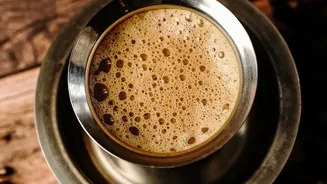
For decades, coffee in most of India was synonymous with a handful of instant coffee brands. It was convenient, accessible, and deeply embedded in the domestic routine. While South India has always nurtured a strong filter coffee tradition, the rest of the nation
largely experienced coffee as a quick, functional beverage. This first wave of coffee was about mass accessibility, not artisanal appreciation. Tea has long been considered India's primary beverage, a cultural staple for everything from family gatherings to political discussions. Coffee was often seen as the alternative, the choice of students pulling all-nighters or a simple morning pick-me-up. But that narrative is rapidly changing, driven by a new generation with a different palate and new priorities.
The 'Third Wave' Reaches Indian Shores
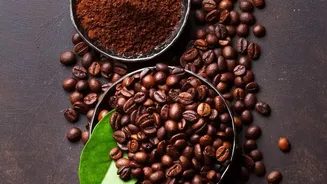
Enter the "third wave" of coffee—a global movement that treats coffee as an artisanal craft, much like wine. This wave emphasizes quality, origin, and the story behind the bean. In India, this movement is being championed by young, urban consumers, primarily Millennials and Gen Z. This demographic is more globally aware, has higher disposable income, and seeks authenticity and experiences over mere products. They are curious about where their coffee comes from, how it was processed, and the unique flavour profiles of beans from a single farm, known as single-origin coffee. The Indian specialty coffee market, valued at just over USD 3 billion in 2025, is projected to more than double by 2031, showcasing the immense momentum of this trend.
The Terroir of the South: From Chikmagalur to Araku Valley
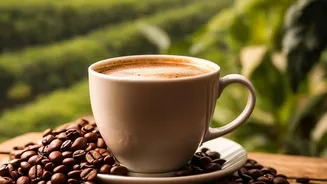
This coffee revolution is deeply rooted in the soil of South India. The Western Ghats—spanning Karnataka, Kerala, and Tamil Nadu—offer ideal conditions for growing high-quality coffee. Regions like Chikmagalur, often called the birthplace of Indian coffee, Coorg, and the Shevaroy Hills are gaining international recognition. Estates in these areas, such as Ratnagiri, Baarbara, and Harley, are becoming household names among coffee aficionados for their distinctive beans. These farms often use shade-grown cultivation methods that are ecologically sustainable. Young consumers are increasingly drawn to this traceability, wanting to support local growers and ethical sourcing, turning their daily cup into a statement of local pride.
More Than a Drink, It's a Lifestyle
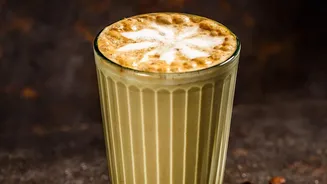
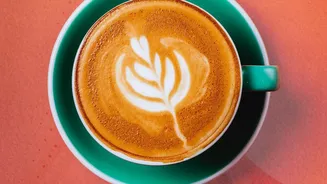
The rise of specialty coffee is inseparable from the explosion of café culture across India's cities. Chains like Blue Tokai, Third Wave Coffee, and Araku Coffee have not just introduced new tastes but have created 'third spaces'—hubs for work, socializing, and creative expression. These cafes serve as educational centers where customers can learn about different brewing methods like pour-overs, AeroPress, and cold brews, moving far beyond the simple espresso machine. This café experience is highly visual and shareable, making it a perfect fit for a social media-savvy generation. The aesthetic of latte art, minimalist café interiors, and the ritual of brewing have turned coffee into a form of content and personal branding.
The Future in a Coffee Cup
While instant coffee still commands a large market share, the rapid growth of the specialty segment points to a significant, long-term shift. The trend is expanding beyond metros into smaller towns, as high-quality Indian coffee, once mainly for export, finds a proud domestic audience. Home brewing is also on the rise, with enthusiasts investing in grinders, scales, and brewing equipment to replicate the café experience at home. This growing sophistication suggests the ditching of instant powder is not just a passing fad but a fundamental change in how a new generation of Indians relates to one of the world's most beloved beverages. The focus is no longer just on a caffeine kick, but on flavor, craft, and connection.