



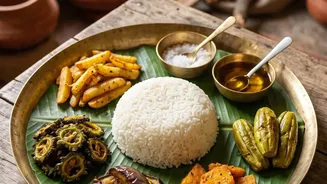

While the modern world chases quick-fix energy bars, ancient wisdom in Indian kitchens has long held the secret to a powerful start. Traditional breakfasts don't just fill you up; they provide balanced, sustained fuel for the entire morning.
The Foundation: Complex Carbohydrates
The cornerstone
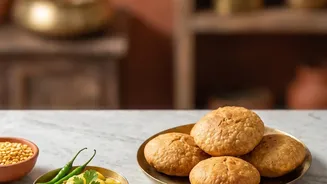
of a traditional Indian breakfast is the complex carbohydrate. Unlike simple sugars in processed cereals that cause a rapid energy spike and subsequent crash, ingredients like whole wheat, rice, millets, and semolina (suji/rava) release energy slowly. Dishes like poha, upma, and whole wheat parathas provide carbohydrates that are broken down gradually, ensuring your energy levels remain stable and consistent throughout the morning. This prevents the dreaded mid-morning slump and keeps you focused and productive. The fiber in these whole grains also promotes feelings of fullness, helping to curb unhealthy snacking before lunch.
The Power of Fermentation: Idli and Dosa
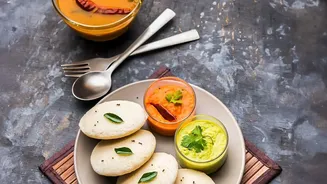
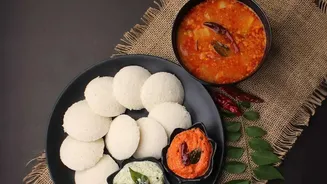
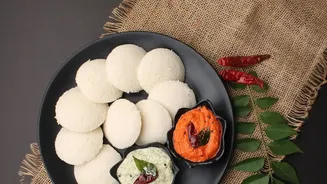
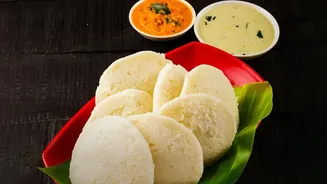
South Indian staples like idli and dosa are globally recognised, but their true power lies in fermentation. The batter, made from a blend of rice and urad dal (black gram), is fermented overnight. This natural process does more than just create a light, fluffy texture. Fermentation breaks down complex carbohydrates and proteins into more easily digestible forms. It also reduces 'antinutrients' like phytic acid, which allows your body to better absorb essential minerals like iron, zinc, and calcium from the food. Furthermore, the process cultivates beneficial gut bacteria, or probiotics, which support a healthy digestive system. This combination of easy digestion and enhanced nutrient availability makes idli and dosa a gentle yet potent source of morning fuel.
The Protein-Fibre Partnership
No Indian breakfast is complete without a robust serving of protein and fibre, which work together to slow down digestion and stabilize blood sugar. This is most evident in accompaniments like sambar, a lentil-based stew teeming with vegetables. Lentils, or dals, are a fantastic source of plant-based protein and dietary fibre. When you pair idli or dosa with sambar, you're creating a complete meal. The protein from the dal and the fiber from the vegetables ensure that the carbohydrates are absorbed slowly, providing that feeling of sustained energy. Similarly, dishes like moong dal chilla (a savoury lentil pancake) or paneerstuffed parathas deliver a substantial protein punch that supports muscle health and keeps you feeling full for hours.
Simple Yet Mighty: Poha and Upma
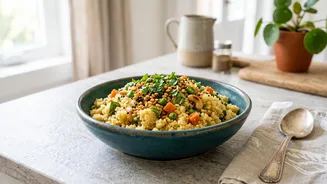
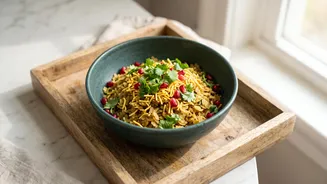
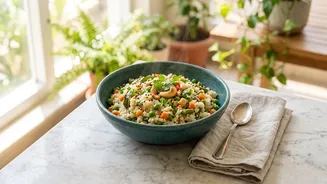
Poha (flattened rice) and upma (roasted semolina) are quintessential examples of how simple ingredients can create a nutritionally balanced meal. Poha is light, easy to digest, and a good source of iron. When prepared with vegetables, mustard seeds, curry leaves, and often peanuts, it becomes a well-rounded dish. The peanuts add healthy fats and a protein boost, while a squeeze of lemon juice provides vitamin C, which enhances iron absorption. Upma, similarly, transforms from simple semolina into a powerhouse when cooked with vegetables like carrots, peas, and beans, which add fibre, vitamins, and minerals. The dish provides steady energy from carbohydrates and can be a good source of protein and B vitamins.
The Role of Spices and Healthy Fats
Beyond the main ingredients, the genius of Indian breakfasts also lies in the details. Spices like turmeric, mustard seeds, and cumin are not just for flavour; they possess medicinal properties that aid digestion and offer anti-inflammatory benefits. Healthy fats, used in moderation, also play a crucial role. A dollop of ghee on a paratha or the coconut in chutney provides fats that contribute to satiety and help the body absorb fat-soluble vitamins. This thoughtful combination of macronutrients, micronutrients, and beneficial spices is what makes a traditional Indian breakfast a truly holistic and energising start to the day.