
The Zero-Waste Kitchen Philosophy
In many Indian households, the concept of 'nose-to-tail' eating for vegetables is a long-standing tradition. Using every part of the plant, from root to leaf, is not only economical but also deeply sustainable. The peels of many vegetables, often discarded,
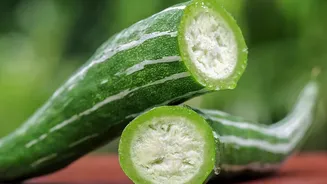
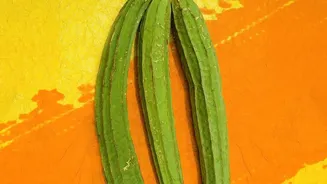
are surprisingly rich in nutrients and fibre. Bottle gourd, or lauki, is a prime example. While the tender flesh is a staple in curries and dals, its peel is also perfectly edible and beneficial. Embracing this approach reduces kitchen waste and introduces new textures and flavours to your cooking. The peel of the bottle gourd contains a good amount of dietary fibre, which aids digestion and can help prevent constipation. It is also a source of essential vitamins and minerals, including vitamin C and potassium.
Safety First: The Bitterness Test
Before you begin cooking with bottle gourd, whether it's the peel or the flesh, there is a crucial safety step you must not skip. Taste a small, raw piece of the gourd. If it tastes bitter, discard the entire vegetable immediately. Bitter bottle gourds contain toxic compounds called cucurbitacins, which the plant produces as a defense mechanism. Ingesting these compounds can lead to severe gastrointestinal issues, including nausea, vomiting, diarrhoea, and in serious cases, can be life-threatening. There is no antidote for this type of poisoning, and treatment is supportive. This simple taste test is the most effective way to ensure the bottle gourd is safe to eat.
A Guide to Thorough Cleaning
Since you'll be eating the outer skin, proper cleaning is essential to remove dirt, contaminants, and pesticide residues. The most effective method is to wash the vegetable thoroughly under clean, running water. Use your hands or a gentle vegetable brush to scrub the surface firmly. While commercial vegetable washes are available, studies show that water alone is highly effective. For an extra measure of cleaning, you can soak the vegetable in a solution of baking soda and water (about one teaspoon of baking soda per two cups of water) for 12-15 minutes before rinsing. This can help remove surface residues more effectively than a simple rinse. Always wash produce just before you plan to use it, as washing before storage can sometimes speed up spoilage.
Recipe: Bottle Gourd Peel Kebabs
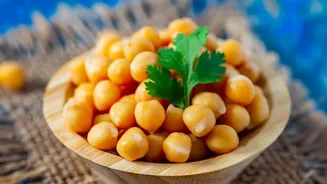
This simple recipe turns discarded peels into a savoury snack. To start, you'll need the peels from one medium bottle gourd, preferably sliced with a knife to retain a bit of the flesh. You'll also need about a cup of boiled chana dal (split chickpeas), one finely chopped onion, a handful of fresh coriander, green chillies to taste, ginger-garlic paste, and basic spices like turmeric, red chilli powder, and garam masala. For binding, use a few tablespoons of besan (gram flour). First, boil the bottle gourd peels until they are tender, then drain them well. In a mixing bowl, mash the boiled peels and chana dal together. Add the chopped onion, coriander, chillies, ginger-garlic paste, and all the powdered spices. Mix everything thoroughly, then add the besan gradually until the mixture comes together and can be shaped. If the mixture is too wet, you can add a little more besan. Shape the mixture into small, flat patties. Heat a little oil in a non-stick pan and shallow-fry the kebabs on medium-low heat until they are golden brown and crisp on both sides. Frying them slowly ensures they cook through properly.
Serving and Variations
Serve your bottle gourd peel kebabs hot, accompanied by green chutney and pickled onions for a classic presentation. These kebabs are not only a delicious evening snack with tea but can also be used as a filling for wraps or sandwiches. For a different texture, you can add grated carrots or coarse-ground peanuts to the kebab mixture. Don't stop at kebabs; bottle gourd peels can also be used to make chutneys, pickles, or a simple stir-fry (bhaji). The goal is to see these peels not as waste but as a versatile ingredient waiting to be explored.