




The Urban Waste Conundrum
In India's bustling cities, managing household waste is a significant challenge, especially in high-rise apartments. Organic or wet waste makes up a huge portion of what we throw away. According to the United Nations Environment Programme, Indian households
generate about 50 kg of food waste per person annually. When this food ends up in landfills, it rots and releases methane, a potent greenhouse gas. For flat dwellers, options like composting can be difficult due to lack of space, odour concerns, or building restrictions, making the problem feel unavoidable. This is where small, creative kitchen habits can make a real difference.
What Exactly Is Sourdough Discard?
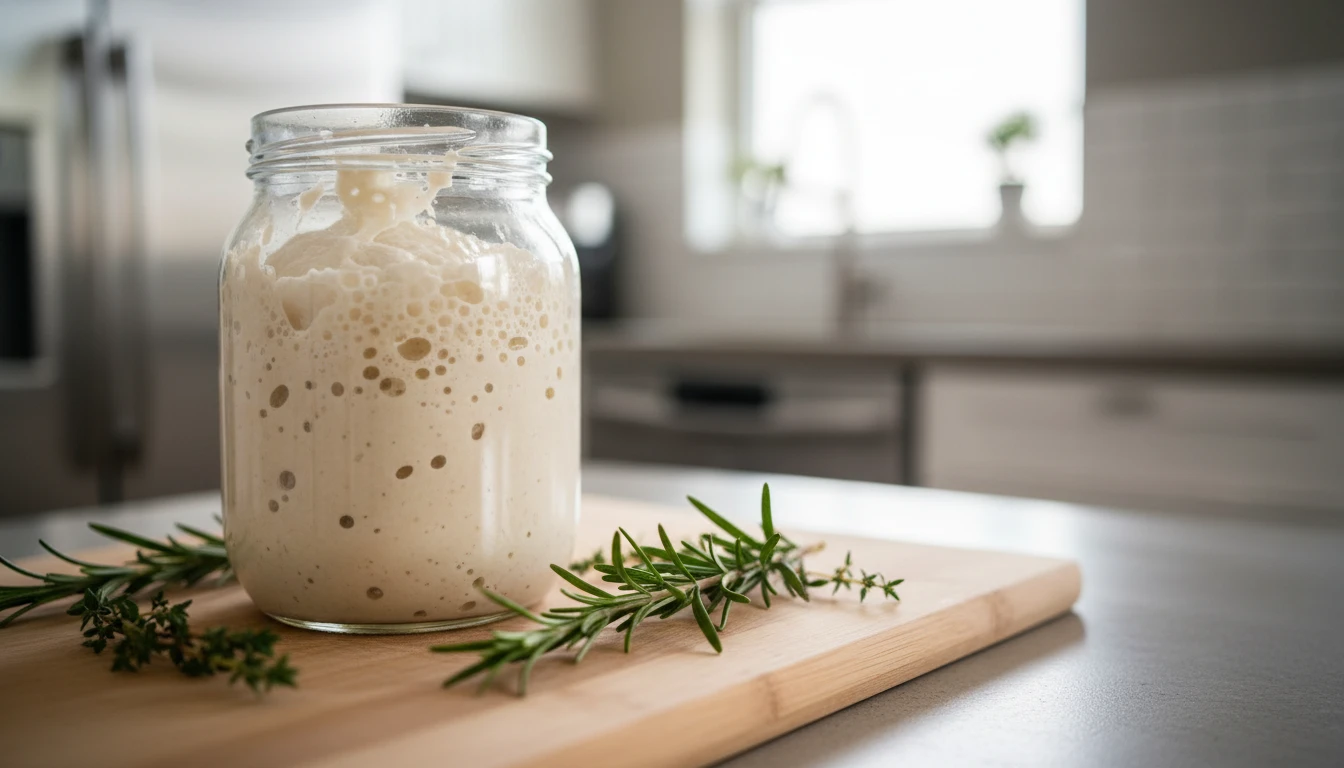
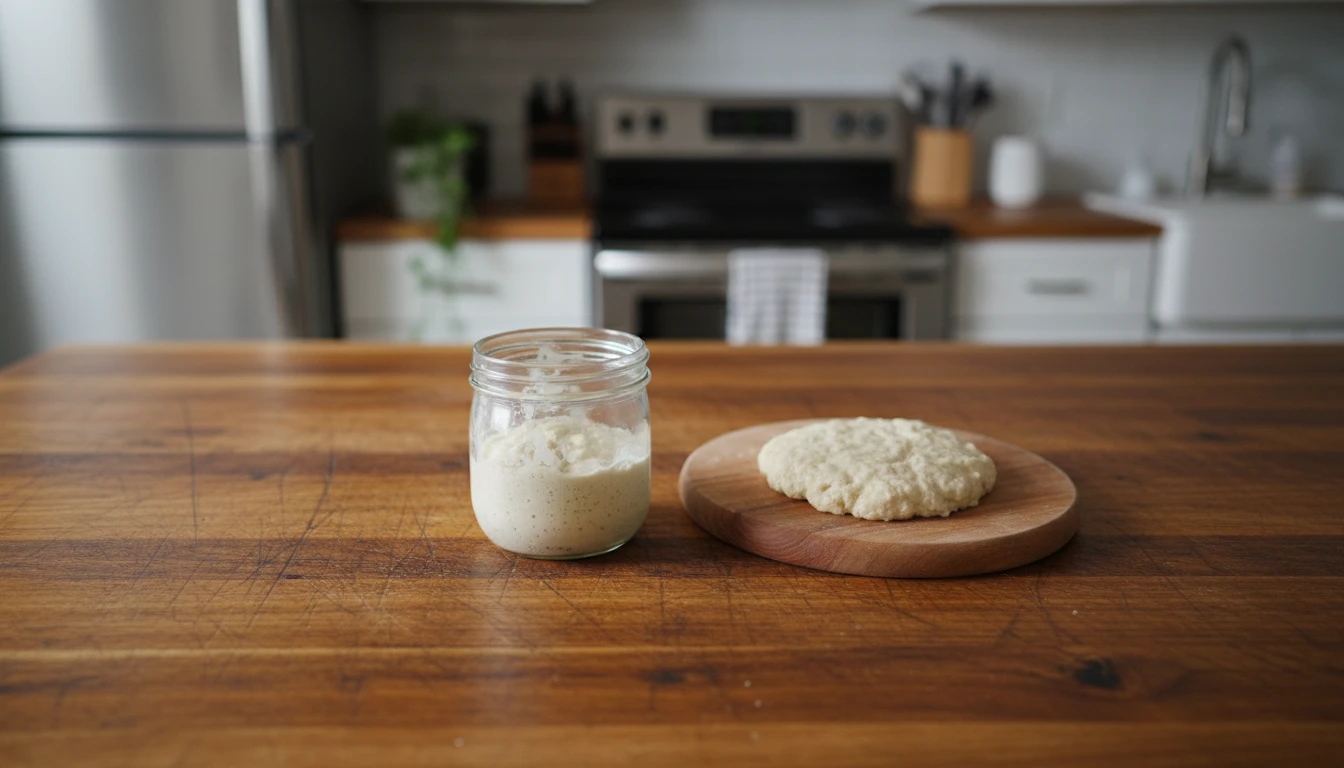
If you've ever maintained a sourdough starter, you're familiar with the process of 'feeding' it with fresh flour and water to keep it alive and active. To prevent the starter from growing into an unmanageable size, you have to remove a portion before each feeding. This removed portion is called 'discard'. It's essentially unfed, inactive starter. While it doesn't have the rising power of an active starter, it's packed with a tangy, complex flavour from the fermentation process. Instead of being tossed in the bin, this discard can be seen as a valuable surplus ingredient just waiting to be used.
From Waste to Culinary Gold
The term 'discard' is a bit of a misnomer; think of it as a flavour-packed, pre-fermented flour paste. Using it in your cooking is a powerful way to intercept waste before it even happens. Every spoonful you use is a spoonful saved from the bin. This simple shift in perspective turns a waste product into a versatile kitchen staple. For those in metro flats, it’s a direct and satisfying way to lower your household’s environmental footprint without needing a garden or a compost pile. It saves money on ingredients and reduces your contribution to landfills, one delicious meal at a time.
Simple Savoury Sensations
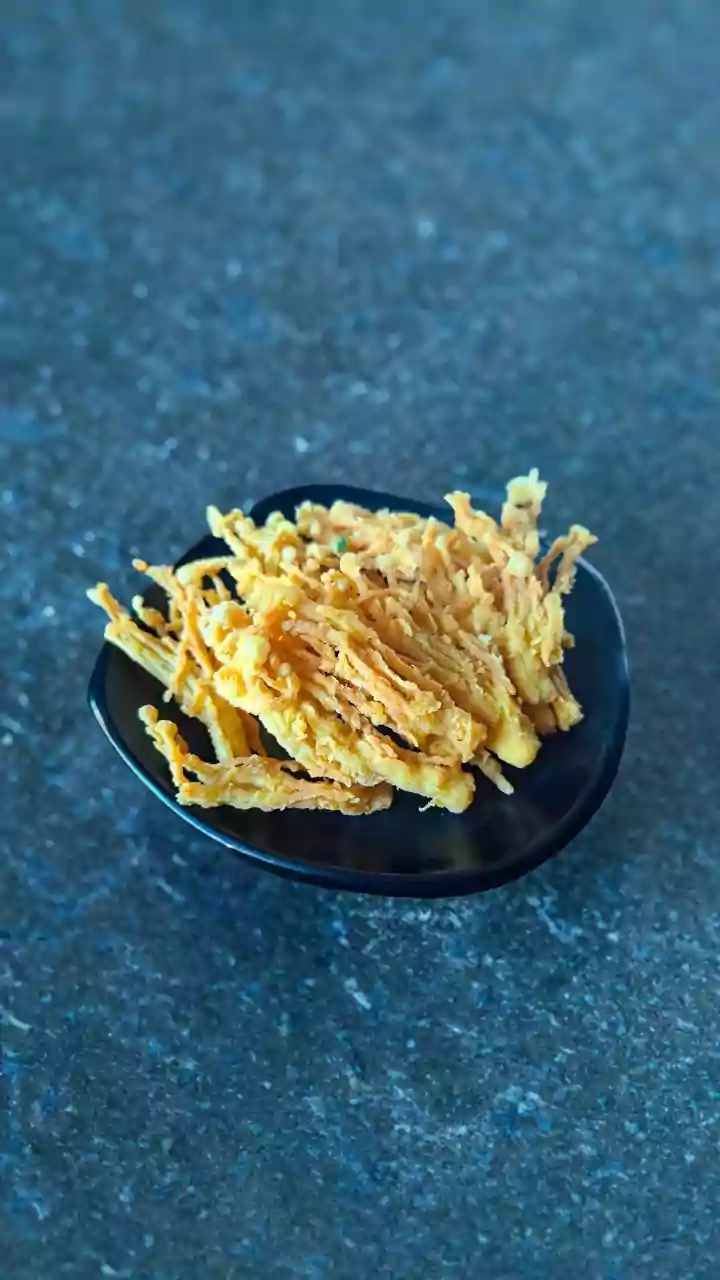
One of the easiest ways to use discard is in savoury recipes where its tangy flavour can really shine. You can mix it with a little salt, herbs, and oil, spread it thinly on a baking sheet, and bake it into crispy, addictive crackers. It can also be used to make quick flatbreads or dosas by simply pouring it onto a hot, greased pan. You can even use it as a batter for frying vegetables or chicken, creating a light, flavourful coating similar to a beer batter. Some cooks even whisk it into soups and gravies as a natural, gut-friendly thickener instead of using a traditional flour-and-butter roux.
Not Just for Breakfast
While pancakes and waffles are classic discard recipes, its use extends far beyond the breakfast table. The acidity in the discard can tenderise baked goods and add a wonderful depth of flavour. It can be incorporated into everything from chocolate chip cookies and brownies to biscuits and pie crusts. Many recipes online show how to substitute a portion of the flour and liquid in a standard recipe with sourdough discard, opening up a world of culinary experimentation. You can make muffins, quick breads like banana bread, and even pizza dough.